Tuna – nutritional values of this sea dweller
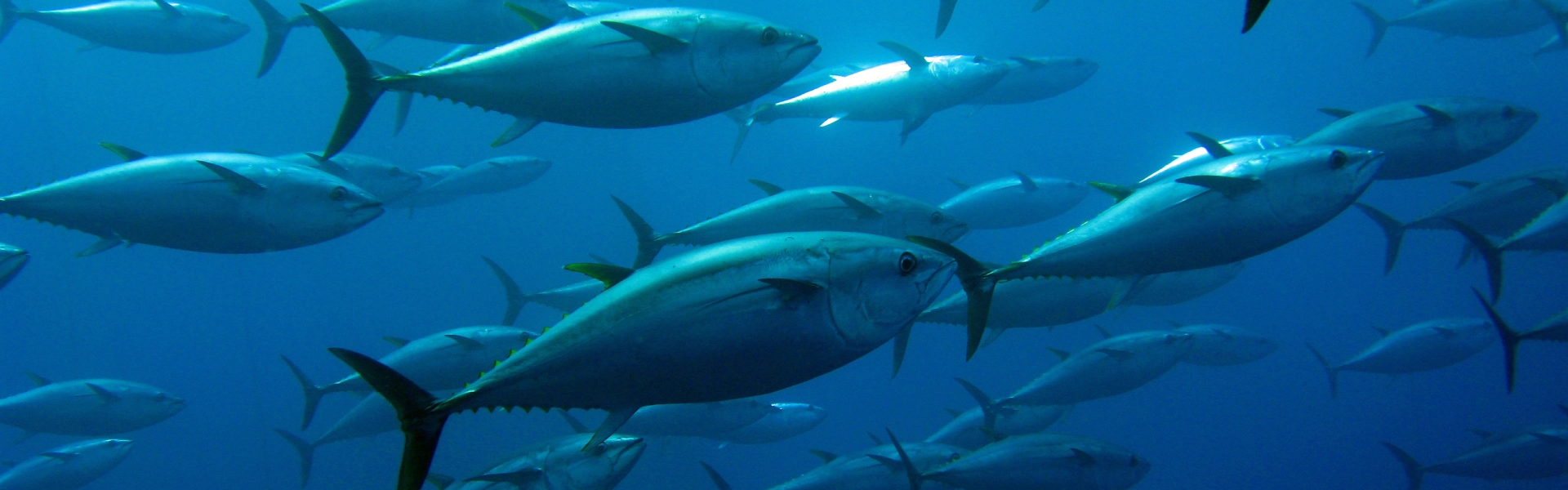
It is hard to believe, but the tuna can achieve an impressive size of 3 m and weighs in at 300 kg. Now, this might sound like a clumsy and slow fish, but you'd be wrong: thanks to their body shape, tuna are excellent swimmers and can travel at speeds of up to 70 km per hour. Find out more about tuna, its nutritional values and health benefits here.
Storage time*
| BioFresh Fish & Seafood safe -2 °C with low humidity | 4 days |
| BioFresh Meat & Dairy safe just above 0 °C with low humidity | 2 days |
| Fridge compartment 7 °C | 1 day |
| Freezer compartment -18 °C | 3 months |
The key points
- Tuna has good nutritional values: it is high in protein, omega-3 fatty acids and important vitamins and minerals.
- It is a fatty fish, which is a sign of high quality because of the high content of healthy fats.
- Fresh tuna should have firm flesh with a bright colour.
Tuna: good nutritional values for health
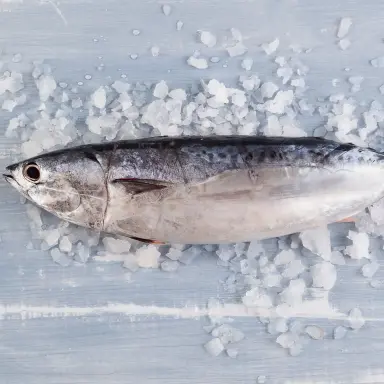
Tuna refers to a variety of species which belong to the mackerel genus. Tuna fish are blue-black coloured with a white belly. They grow very fast and have almost no scales. One particular characteristic is the dark red colouring of the meat, which is described as very tasty. The edible fish is most frequently consumed fresh, from cans or as a frozen steak. If you are now wondering why you have never noticed the intense colour of the meat before, then we can explain all. The reddish colouring of the meat is lost during processing.
Tuna is rich in nutritional values with nutritionally valuable constituents. It is one of the high-fat fish (15.5 % fat), however it has a high content of omega-3 fatty acids which have a preventive effect in terms of cardiovascular diseases. Pure tuna contains around 100–120 calories per 100 grams. The exact value may vary slightly depending on the variety and method of preparation. Tuna is also high in protein (21.5 %) and vitamins and minerals such as vitamins A, D, E, B12, niacin, zinc and iodine.

Storing fresh tuna correctly to preserve its nutritional value
It's when shopping for fresh fish in particular that uncertainties frequently arise. How do you recognise fresh fish? Our shopping tips will help to make the next purchase much easier for you. Firstly, pay attention to the firmness of the fish meat; the firmer, the better. Also make sure that the meat has a bright red to brown colour and looks transparent and clear. Tuna belongs to the group of oily fish, i.e. the proportion of fat in muscle tissue exceeds ten percent. However, this does not mean that the fish is therefore unhealthy. A high fat content is definitely a sign of quality. If you are unsure when shopping, ask a specialist retailer in the trade, especially if you plan to consume the fish raw.
Once you have arrived home with the fresh fish, it should ideally be used the same day. If it needs to be stored, ensure the location in your fridge is as cool as possible. In the fridge compartment at 7 °C, tuna will only stay fresh for one day. Tuna stays fresh for up to 4 days in the BioFresh Fish & Seafood safe. Fish and seafood are stored in the Fish & Seafood safe at low temperatures of -2 °C. This means that fish can be kept for significantly longer than in regular storage at 7 °C. During storage you should make sure that the fish is not in its own juice.
*All specifications given are to be considered as guideline values, and depend in each case on the type of foodstuffs and on the proper storage without interruption of the cold chain from harvest/production through to the Liebherr appliance. Should food products have information about minimum shelf life, the date on the packaging always applies.