Snapper – these nutritional values make it so popular
One “snap” and they're gone. Fish, shrimps, crayfish, squid and smaller marine organisms often finish up in the mouth of a snapper. But the snappers themselves also have something large interested in them - humans. Here you can find out all about snapper: its nutritional value and tips on how to prepare and store it.
Storage time*
| BioFresh Fish & Seafood safe -2 °C with low humidity | 4 days |
| Fridge compartment 7 °C | 1 day |
| Freezer compartment -18 °C | 6 months |
The key points
- Snapper is a low-fat, protein-rich fish that contains important vitamins such as B12, D, A and B6.
- The fish can be prepared in many different ways, e.g. by frying, grilling or steaming.
- Fresh snapper should be prepared quickly or stored properly – ideally in a Fish & Seafood safe.
- In order to freeze fish, it must be fresh and stored at a temperature of at least -18 °C.
- Spices such as sesame oil, soy sauce and ginger go particularly well with snapper.
Snapper and its nutritional values: vitamins and benefits for your health
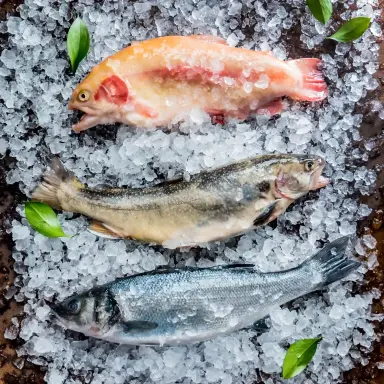
There’s not just one snapper, there are in fact more than 100 species of snapper. The predators occupy tropical and subtropical sea regions around the world and stalk their prey in particular on rocky ridges and coral reefs. Snappers catch their food with their large, deep mouths, and this is how they get their name. Since they are a popular food for us humans, many species are heavily fished – some even to the extent that they are threatened by extinction. The breeding of healthy snappers in aquacultures is therefore becoming increasingly important.
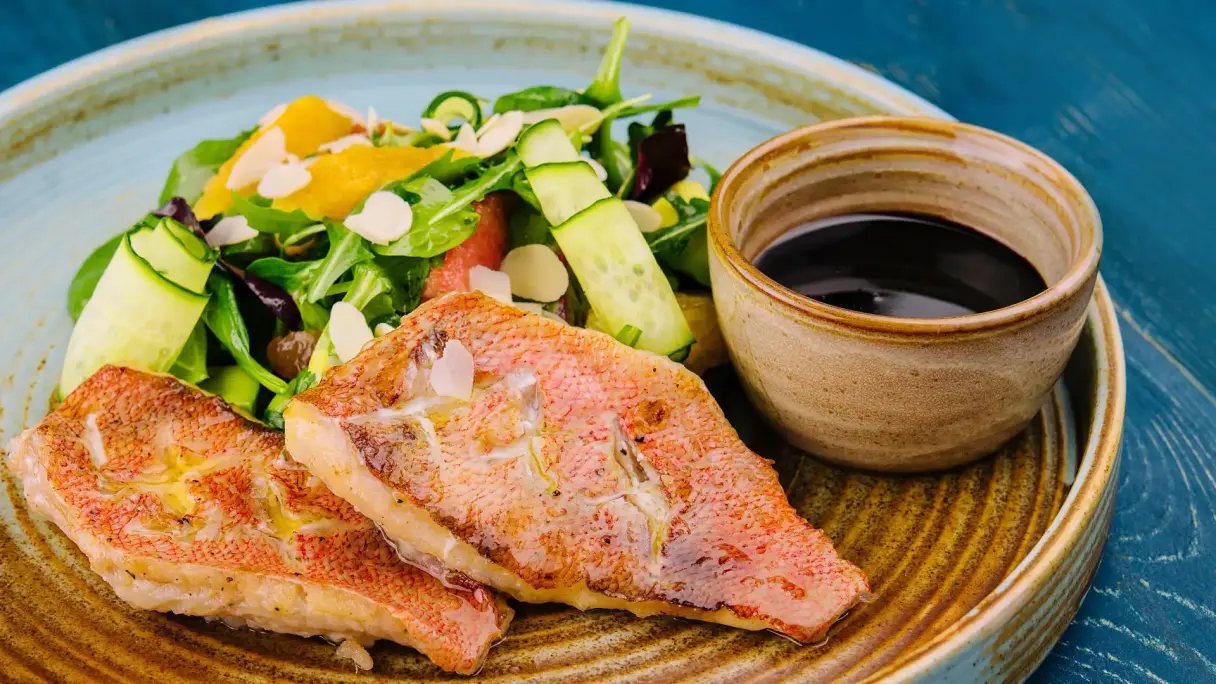
The red snapper is a very popular species. Its meat is even tastier than that of other snapper species. Generally speaking, cooked snapper meat tastes slightly sweet and turns light and whitish when cooked. The white meat is firm and dry. The animals have only a few large bones which can be easily removed. Whether roasting, barbecuing, steaming or baking, snappers are suitable for all types of preparation and are therefore particularly versatile.
The advantages of the snapper are more practical and culinary in nature. As low-fat fish, they have less of the health benefits than fatty fish with their valuable fatty acids. However, due to their low-fat content, snappers also have fewer calories. As they are rich in protein, they are ideal for meals with lots of protein and few calories. Snappers contain important vitamins such as B12, D, A and B6, which help support the nervous system, bone health and metabolism.
How to properly store snapper and preserve its nutritional values
When shopping, you will find the snapper both in its whole form and as fillet or steak. Fresh fish is always best prepared the same day. While it usually only keeps for one day in a fridge at 7 °C, the Fish & Seafood safe in your Liebherr fridge extends its shelf life for up to four days thanks to a temperature of -2 °C and low humidity. However, the fish should not lie in its own juice. The solution is to place a saucer upside down in a glass bowl, place the fish on the upside down saucer and cover everything with cling film. In this way the liquid runs under the saucer and the fish stays dry.
The fish can be frozen, but fresh fish should be used for this and placed in the freezerimmediately after purchase. You should also ensure that the freezer compartment is cold enough – the colder, the better. The temperature must be at least -18 °C to ensure that the shelf life of the snapper and its nutritional values remain intact for six months. Also, only gutted and washed animals are allowed in the freezer.
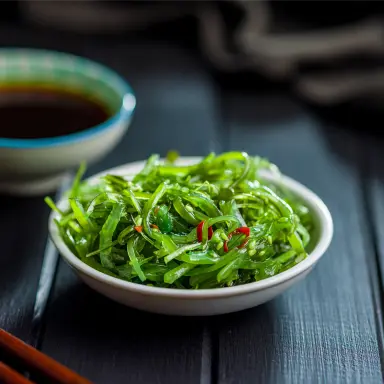
The fact the snapper is suitable for all types of cooking methods means that the whole range of preparation possibilities can be used. Depending on which cooking method you choose and which other side dishes you serve with it, some seasoning ingredients go particularly well with snapper and also offer good nutritional values. These include sesame oil, soy sauce, ginger, garlic, coriander, coconut blossom sugar and fish sauce.
*All specifications given are to be considered as guideline values, and depend in each case on the type of foodstuffs and on the proper storage without interruption of the cold chain from harvest/production through to the Liebherr appliance. Should food products have information about minimum shelf life, the date on the packaging always applies.