Parsnip – the nutritional values of this lesser-known vegetable
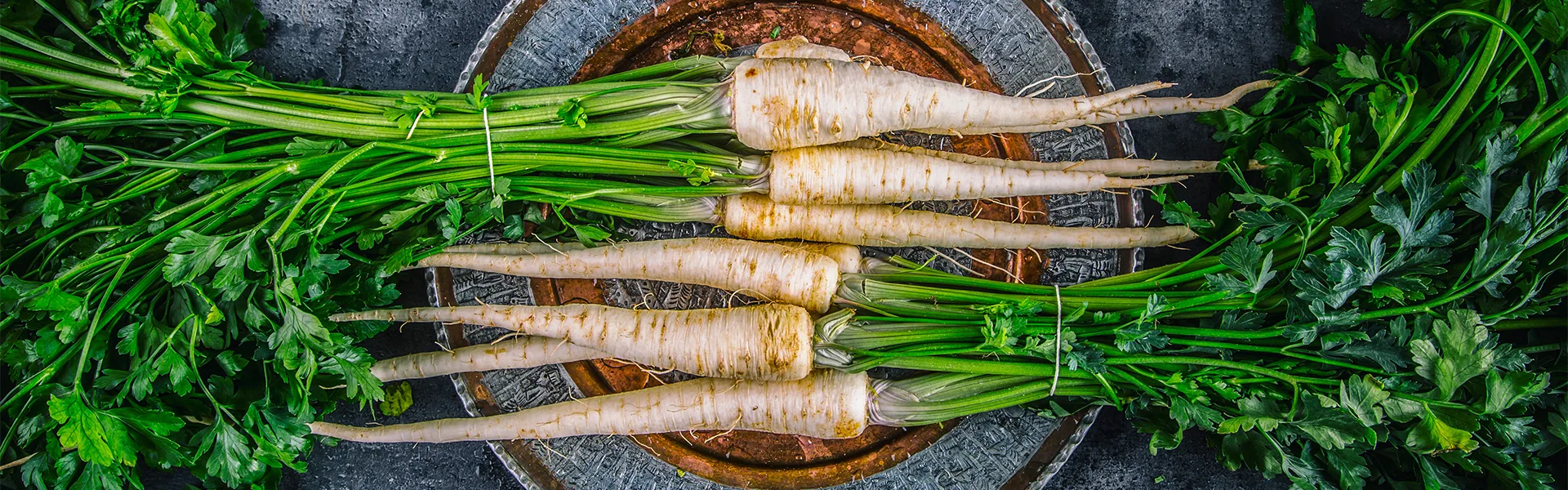
Parsnips are a nutrient-rich root vegetable that is ideal for a healthy diet. They are high in fibre, low in calories, and contain important minerals. Their sweet, nutty taste makes them a healthy alternative to carrots and celery in winter. Read on to find out why parsnips deserve more attention and how versatile they are in the kitchen – from purées to parsnip crisps. We also explain why they are suitable for sensitive stomachs and baby nutrition.
Storage time*
| BioFresh Fruit & Vegetable safe just above 0 °C with high humidity | 110 days |
| EasyFresh safe 7 °C with air regulation plate | 70 days |
| Fridge compartment 7 °C | 56 days |
| Freezer compartment -18 °C | 10 months |
The key points
- Parsnips are rich in nutrients and low in calories, with approx. 59 kcal per 100 g.
- Root vegetables are good for digestion and the immune system.
- They are easily digestible and gentle on the stomach: even for babies and sensitive stomachs.
- Parsnips and white carrots are different plant species, with parsnips being spicier, more filling and containing more starch.
- Ideally, they should be stored in a fridge at 0 °C.
Parsnip: vitamins, calories and the best season to enjoy this vegetable
Parsnips are a nutritious root vegetable that is in season in Europe during the cold winter months. Between October and March, it develops its full flavour and supplies an extra portion of vitamins and minerals. Its vitamin C, B vitamins, folic acid, potassium and magnesium content is particularly noteworthy. This combination strengthens the immune system, supports energy metabolism and has a regulating effect on blood pressure.
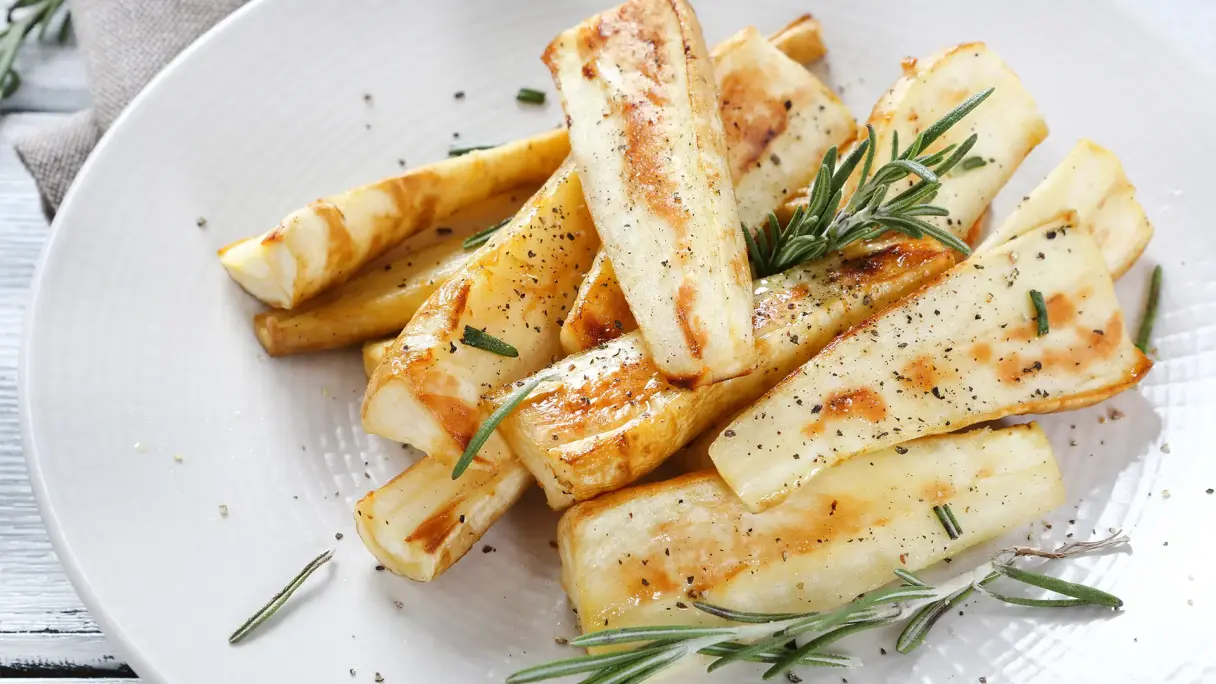
Containing only around 59 calories per 100 grams, parsnips are low in calories and, thanks to their high fibre content, ensure long-lasting satiety and healthy digestion. It is a valuable alternative to potatoes or rice, especially in low-GI diets. As a purée, soup or roasted vegetables, they can be used to effortlessly replace carbohydrate-rich side dishes and provide valuable vitamins and minerals. Grated raw in salads, they add a nutty, sweet flavour and bring variety to winter cooking. Steamed or cooked, they remain easy to digest while retaining their health benefits.
The ideal storage conditions for root vegetables are cool, moist and constant; this keeps parsnips fresh and crisp for up to 110 days.
The beneficial effects of parsnips: good for the digestion and for losing weight
The beneficial effects of parsnips for your health are astonishingly multifaceted, especially with regard to digestion and metabolism. Thanks to their high fibre content, parsnips are good for your intestinal flora and can help to alleviate digestive problems, such as constipation or flatulence. They are regarded as an easily digestible, stomach-friendly vegetable option, particularly for people with chronic inflammatory bowel diseases, such as Crohn’s disease.
Parsnips also contain essential oils that have anti-inflammatory properties and a calming effect on the stomach and intestines. The high content of inulin, a prebiotic fibre, also makes parsnips a valuable aid to intestinal health.
The difference between white carrots and parsnips
At first glance, they look almost identical, but the difference between white carrots and parsnips is greater than many people think. Both are root vegetables, but come from different plant species. The white carrot is a light-coloured variety of the traditional carrot, while the parsnip is botanically more closely related to parsley.
There are also clear differences in the way they taste. While white carrots have a rather mild and slightly sweet taste, parsnips are characterised by a spicy, nutty flavour and a distinctly more intense sweetness. The consistency of both is similar, but when cooked, parsnips often have a slightly creamier texture, making them ideal for purées or creamy soups.
Parsnips are usually larger and heavier, which can result in different cooking times. They also contain more fibre and starch, which makes them more satiating. A typical characteristic of parsnips is their sweet, earthy aroma, which white carrots do not have. Parsnips also have a more pronounced flowering stem.
FAQs – parsnip
No, parsnips and parsley roots are not the same thing, even though they look similar. Both are root vegetables and belong to the umbellifer family, but they are separate plant species. Parsnips are thicker, lighter in colour and have a sweet, nutty taste, while parsley root is thinner, spicier and tastes much more like parsley. The way in which they are used also differs. Parsnips are ideal for purées or baby food, while parsley root is mostly used to season soups or stews.
Parsnips are good for the digestion, strengthen the immune system and are ideal for a fibre-rich diet. Their high potassium, folic acid and vitamin C content makes them a valuable food. Thanks to their low calorie content and filling effect, parsnips are also ideal for a health-conscious diet and losing weight. They are also very easy to digest for small children and people with sensitive stomachs.
Parsnips should not be consumed if they are soft, shrivelled, significantly discoloured or have an unpleasant smell. Mould or dark spots are also signs of spoilage. If stored incorrectly, for example, in conditions that are too warm or too dry, parsnips quickly lose their flavour and nutrients. They stay really fresh in a fridge at around 0 °C and high humidity, for example, in a BioFresh Fruit & Vegetable safe. They can be kept there for up to 110 days.
*All specifications given are to be considered as guideline values, and depend in each case on the type of foodstuffs and on the proper storage without interruption of the cold chain from harvest/production through to the Liebherr appliance. Should food products have information about minimum shelf life, the date on the packaging always applies.