Nectarine: nutritional values, vitamins and calories of the fruit
Do you often confuse peaches and nectarines? Are you wondering which of the two types of fruit is covered in fuzz and what the nutritional values of nectarines are? We reveal what these fruits are all about, how they differ and what vitamins they contain.
Storage time*
| BioFresh Fruit & Vegetable safe just above 0 °C with high humidity | 13 days |
| EasyFresh safe 7 °C with air regulation plate | 5 days |
| Fridge compartment 7 °C | 4 days |
| Freezer compartment -18 °C | 10 months |
The key points
- Recognising nectarines: unlike peaches, they have smooth skin and firmer, slightly tart flesh.
- Vitamins in nectarines: they are full of vitamin C, beta-carotene, niacin and folic acid from the B group.
- Minerals and more: with potassium and fibre, nectarines contribute to a balanced diet.
Nectarine – list of contents
What vitamins does the nectarine contain?
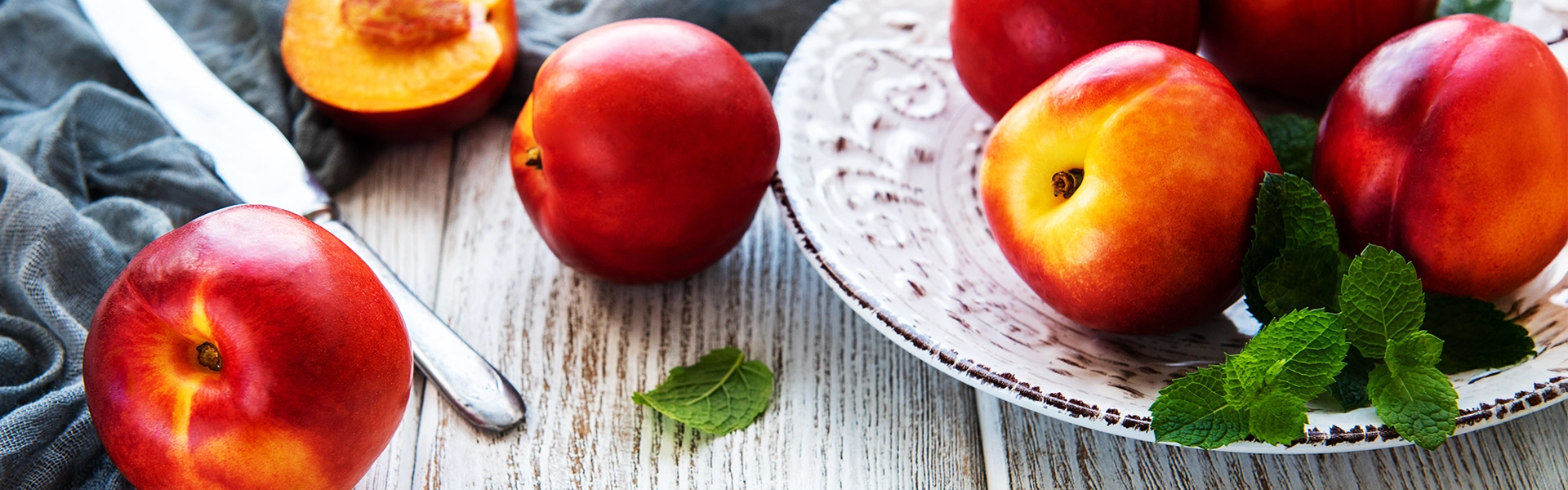
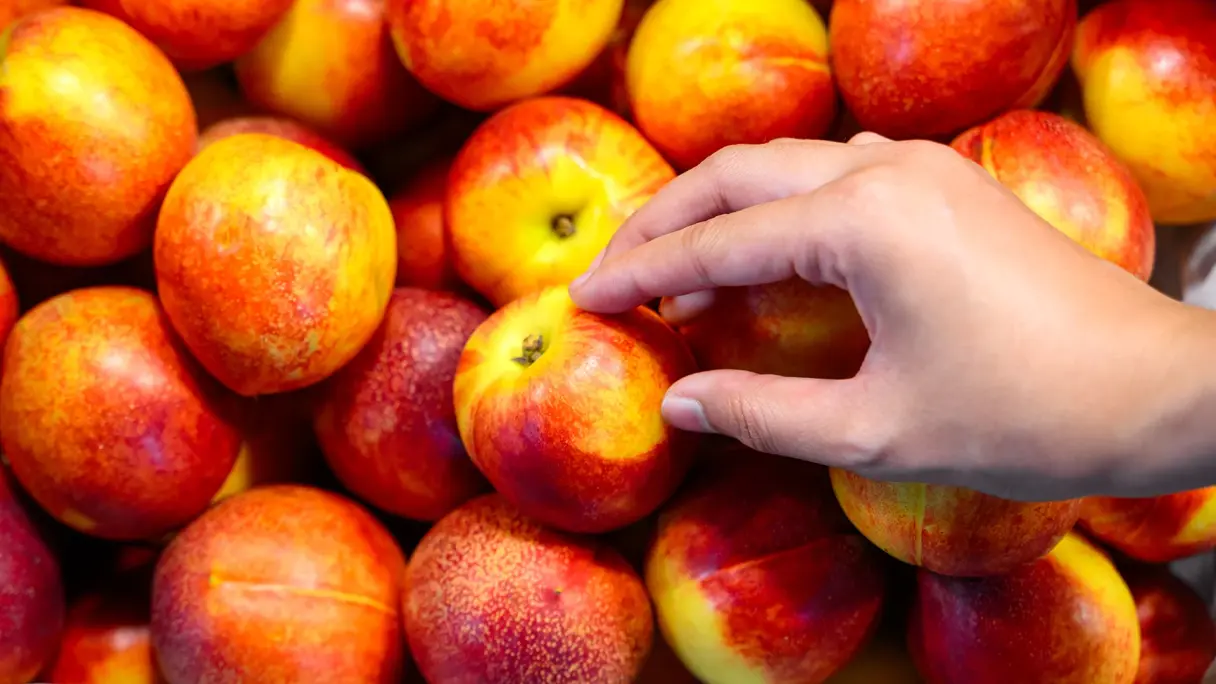
The sight of red and yellow nectarines truly evokes summer feelings. Nectarines look colourful and are also full of vitamins. They are low in calories, but nectarines have many valuable nutrients. Particularly noteworthy are vitamin C, beta-carotene – a precursor of vitamin A – and various B vitamins such as niacin and folic acid. Potassium is also present in significant amounts. Nectarines also provide fibre and are low in fat. With their relatively high sugar content, they taste pleasantly sweet, yet their flesh remains firm. Due to their low water content compared to peaches, nectarines have a more concentrated flavour and provide more energy per 100 g. This makes nectarines, with their nutritional values, a colourful and aromatic addition to the summer menu.
The peach is the ancestor of the nectarine and originates from Asia. While peaches are covered in a fuzzy skin, the outside of nectarines is completely smooth. Although the colour, shape and flesh are very similar, there are subtle differences.
As nectarines contain less water and more sugar than peaches, their flesh is slightly firmer than that of peaches. Nectarines can also have a slightly tart taste. Both fruits belong to the rose family, as do plums, cherries and almonds. Due to natural mutation, both peaches and nectarines can grow on a peach tree.
What are the health benefits of nectarines?
Nectarines are considered to be extremely healthy fruit. Their high vitamin C content can support the immune system, while beta-carotene protects cells and contributes to normal skin and eye function. The B vitamins they contain can promote energy metabolism, and the abundant potassium can help regulate the body’s water balance. Nectarines also contain fibre, which can have a positive effect on digestion. Thanks to this combination, nectarines are ideal as a fresh, nutritious snack for a balanced diet.
Both nectarines and peaches can be stored in the fridge for up to four days. In the BioFresh Fruit & Vegetable safe of your Liebherr fridge, you can increase the storage time to 13 days. This compartment has particularly high humidity and temperatures just above 0 °C. Nectarines, with their valuable nutrients, feel particularly at home here.
*All specifications given are to be considered as guideline values, and depend in each case on the type of food and on the proper storage without interruption of the cold chain from harvest/production through to the Liebherr appliance. Should food products have information about minimum shelf life, the date on the packaging always applies.