
Apricot – the power fruit with healthy nutritional values
Apricots are not only a refreshing snack to enjoy in the summer months, but also a valuable source of vitamins, minerals and secondary plant compounds. We reveal how healthy apricots are, what nutritional values they offer and how they can be kept fresh for much longer with the right storage conditions.
Storage time*
| BioFresh Fruit & Vegetable safe just above 0 °C with high humidity | 13 days |
| Fridge compartment 7 °C | 6 days |
| Freezer compartment -18 °C | 12 months |
The key points
- Low in calories and high in water content: contains around 48 calories per 100 g and over 80 % water
- Rich in vitamins and minerals: beta-carotene, vitamins A, C, E and potassium
- Valuable fibre: promote digestion and contribute to a pleasant feeling of fullness
- Health benefits: antioxidant plant compounds protect cells, have anti-inflammatory properties and support the immune system
Apricot: a particularly light fruit with balanced nutritional values
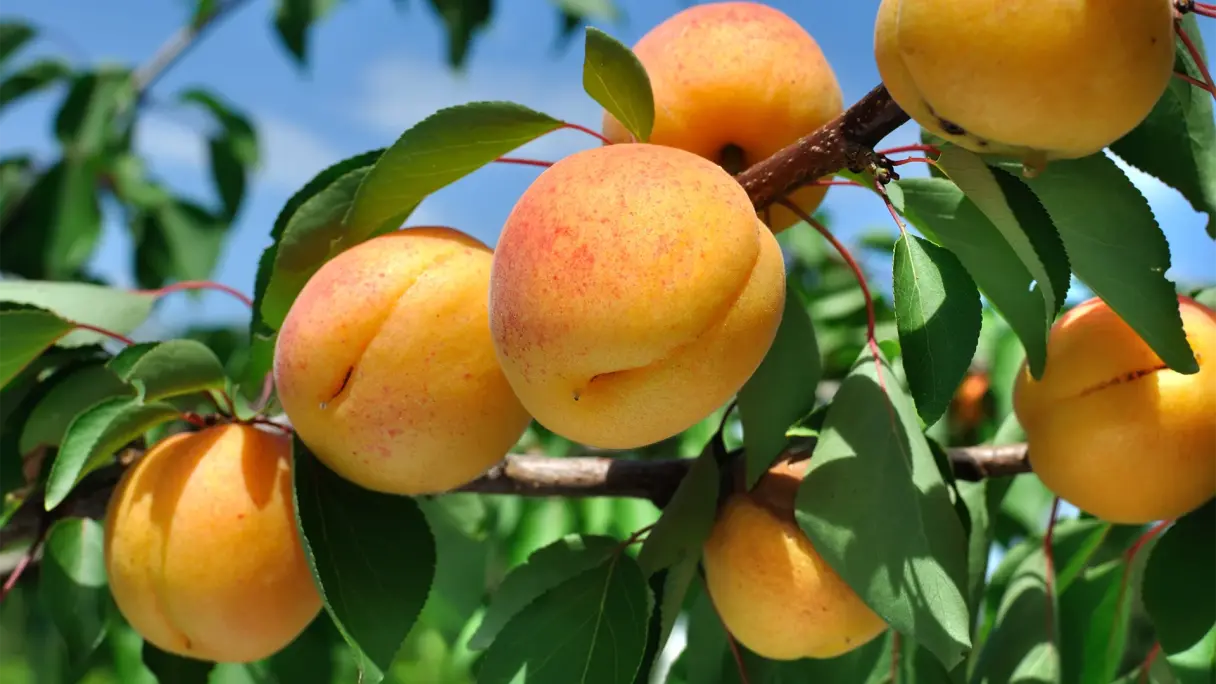
The apricot tree, with its small, rutted fruits, is originally from Asia. Today, apricots grow mainly in central and western Asia; however, large cultivation areas can also be found in Italy and France. If apricots are picked too early, they usually have a lower nutritional value and less flavour – they remain hard, become mealy or taste bland. That’s why the right time to harvest is particularly important to benefit from all the advantages of apricots.
With only around 48 calories per 100 grams, apricots are one of the lightest fruits. They consist of over 80 % water. At the same time, they provide valuable vitamins such as C, A and E, as well as the secondary plant substance beta-carotene, which is converted into vitamin A in the body. Thanks to their nutritional values, apricots are good for the eyes, skin and immune system.
The nutrient profile of apricots is complemented by potassium, which can regulate blood pressure and balance water levels. The fibre in apricots can also promote intestinal health and contribute to natural digestion. Their antioxidant effect is also particularly noteworthy: the polyphenols they contain aid cell protection and can have an anti-inflammatory effect.
Preserving freshness – how to enjoy apricots and their nutritional value for longer

Apricot season must be enjoyed: anyone who has picked a batch of juicy, sweet apricots should preserve their find. Freezing or making jam are tasty options. Apricots will remain fresh and retain their nutritional value for around six days if they’re stored in a standard fridge at 7 °C. You can achieve a significantly longer shelf life in the BioFresh Fruit & Vegetable safe: At just above 0 °C and high humidity, the freshness period is extended to up to 13 days. The conditions in the fridge slow down the metabolism of the fruit, preserve vitamins and prevent any loss of aroma.
To freeze apricots, cut them in half along the groove, remove the stones and briefly place them in boiling water. Then rinse them with cold water, peel them and dip them in a sugar solution. Ideally, pre-freeze the halves individually and then store them in a freezer bag to prevent them from sticking together. Alternatively, apricots can be boiled down to make jam; the Goldstrike variety with its firm flesh is particularly suitable for this.
*All specifications given are to be considered as guideline values, and depend in each case on the type of foodstuffs and on the proper storage without interruption of the cold chain from harvest/production through to the Liebherr appliance. Should food products have information about minimum shelf life, the date on the packaging always applies.