Lettuce: vitamin bomb with good nutritional values
Lettuce is a popular green leafy vegetable that can be used in many different ways in the kitchen due to its high nutritional value and refreshing flavour. In this article, you will learn everything you need to know about lettuce, its nutritional values and health benefits for you.
Storage time*
| BioFresh Fruit & Vegetable safe just above 0 °C with high humidity | 13 days |
| EasyFresh safe 7 °C with air regulation plate | 5 days |
| Fridge compartment 7 °C | 2 days |
| Freezer compartment -18 °C | Not recommended |
The key points
- Lettuce is rich in important vitamins such as vitamin C, vitamin K and folic acid.
- It contains fibre, which aids digestion, and antioxidants to protect against free radicals.
- With very few calories, lettuce is ideal for supporting a healthy diet and weight management.
- When shopping, look for fresh, firm and undamaged leaves; avoid any wilted leaves.
Lettuce – nutritional values and vitamins
Lettuce is rich in vitamins and minerals such as vitamin C, vitamin K and folic acid, which are essential for a healthy diet. Lettuce also contains fibre, which can help to promote healthy digestion. Lettuce is also an excellent source of antioxidants, which protect the body from free radicals and damage caused by environmental toxins and stress. Another advantage of lettuce, in addition to its many nutritional values, is that it contains few calories. This makes it an ideal choice for people who want to reduce or maintain their body weight.
If you want to include lettuce and its nutrients in your diet, there are many delicious ways to prepare it. You can use it in salads, sandwiches or wraps or serve it as a side dish with a variety of dishes. You can also try grilling or steaming the healthy lettuce. This gives it a slightly different texture and a different flavour.
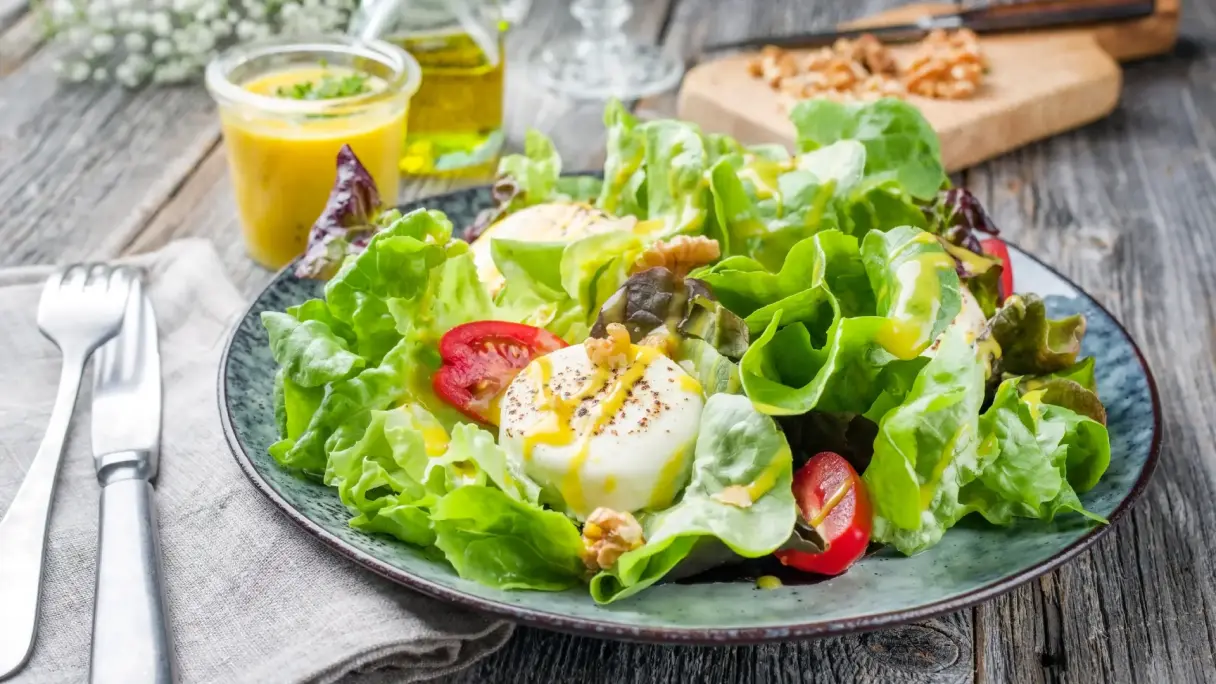
Lettuce: pay attention to the following when purchasing and storing
When buying lettuce at the market or supermarket, make sure it is fresh. Avoid wilted or brown leaves as this can be a sign that the lettuce is no longer fresh. After buying lettuce or harvesting it yourself from the garden, you should either process it straight away or put it in the fridge. It will keep in the regular fridge compartment for approx. 2 days. However, thanks to BioFresh technology from Liebherr, lettuce in the Fruit and Vegetable safe stays market-fresh for up to 13 days. In this special fresh food compartment, the temperature is just above 0 °C with high humidity. This technology keeps lettuce and its nutritional values fresh for longer.
*All specifications given are to be considered as guideline values, and depend in each case on the type of food and on the proper storage without interruption of the cold chain from harvest/production through to the Liebherr appliance. Should food products have information about minimum shelf life, the date on the packaging always applies.