Insects – the protein of the future?
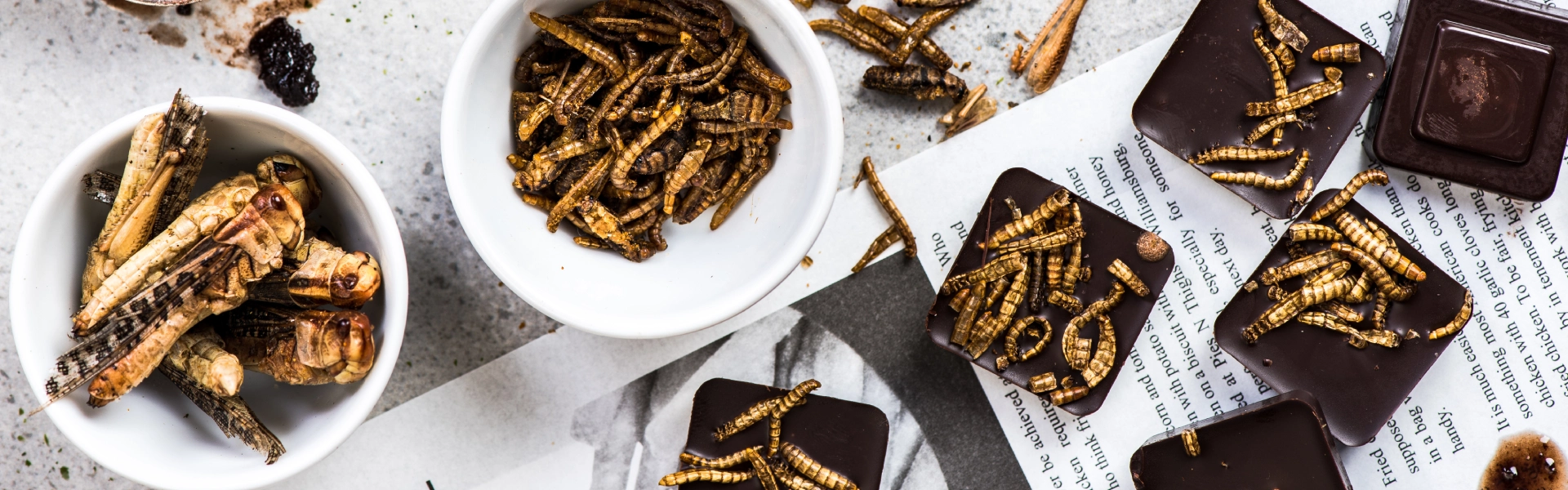
Burgers made from buffalo worms, grasshoppers on skewers or mealworms in chocolate: what sounded like a test of courage a few years ago is nothing unusual today – food made from edible insects. Are the six-legged animals really as eco-friendly and healthy as they are said to be? What nutrients and proteins are in insects? How safe is it to eat and what do you have to look out for when buying them? Answers to these and many other questions about insects can be found here.
The key points
- Insects provide high-quality protein, unsaturated fatty acids, fibre and important micronutrients such as iron, zinc and B vitamins.
- The flavour and nutrient content differ significantly depending on the species, habitat and stage of development.
- The purchase of insects not bred for consumption, for example from specialised pet shops, is not recommended for reasons of hygiene.
- People with allergies to house dust mites or crustaceans should be careful when eating insects.
Fat, fibre and protein – what insects have to offer
Around 2,000 different types are consumed worldwide. Particularly popular are beetles, which are often eaten as larvae and pupae, or hymenoptera such as bees, wasps or ants. Here, all developmental stages of the animal are suitable for consumption. The orthoptera (meaning ‘straight wings’) are an extremely popular order of insects used in food. This order includes grasshoppers, crickets and locusts.
Compared to meat, the nutrients in insects score particularly highly in terms of fibre and protein. Insects are also in no way inferior to more conventional meats in terms of nutritional content. Most insects contain high-quality protein, fat and lots of fibre. The average protein content of insects is usually between 35 and 61 %, with some straight-winged insects containing as much as up to 77 %. Some insect sorts also have a high content of unsaturated fatty acids, and can even compete with some types of fish. Depending on the insect species, micronutrients such as iron, magnesium, copper, manganese, phosphorus, selenium and zinc are also present. Even B vitamins such as vitamin B6 and B12 are present in insects, sometimes in high quantities. However, it must be remembered here that the diversity of insects is also reflected in their proteins and nutrient spectrum, which means that insects have different nutritional values and flavours depending on the species, food, habitat and their stage of development.

Healthy insects with lots of protein as a potential food source
In European countries, novel foods must overcome certain legal hurdles before they can make it onto our dinner plates. Only completely safe foods may be introduced to the European market, which means that approval for novel foods such as insects takes time. Now, however, mealworms, grasshoppers and crickets to name just a few, have been approved for consumption in Europe by the relevant authority.
There is a variety of processed products made from insects such as high-protein bars, noodles, or burger patties, that have found their way onto the market – so you won’t even recognise the little, healthy critters anymore! However, if you would rather buy whole insects, you are more likely to find them in online stores. Note: even if the prices are tempting, don’t reach for samples from the pet shop or even insects you found yourself! These may contain germs and parasites because they were not bred for human consumption. Allergy sufferers should be cautious when it comes to consuming insects. This is because if you are allergic to house mites or shellfish, you may also be allergic to insects.
In order to meet the protein requirements of this growing world’s population in the future, alternative sources of protein to meat and fish will be needed. Insects are repeatedly touted as a means of combating world hunger. That’s because they require far less space, consume less water, and also produce far fewer greenhouse gas emissions than mammals and poultry. Nevertheless, it must be remembered that a certain temperature is required when breeding insects, and this is often not available in European countries. For example, in Europe the facilities must be intensively heated for several months to produce the proteins and nutritional values of the insects, which requires a lot of energy. The question of animal welfare in insect breeding has also not yet been definitively clarified.