Chia seeds: nutritional values of the protein-rich superfood
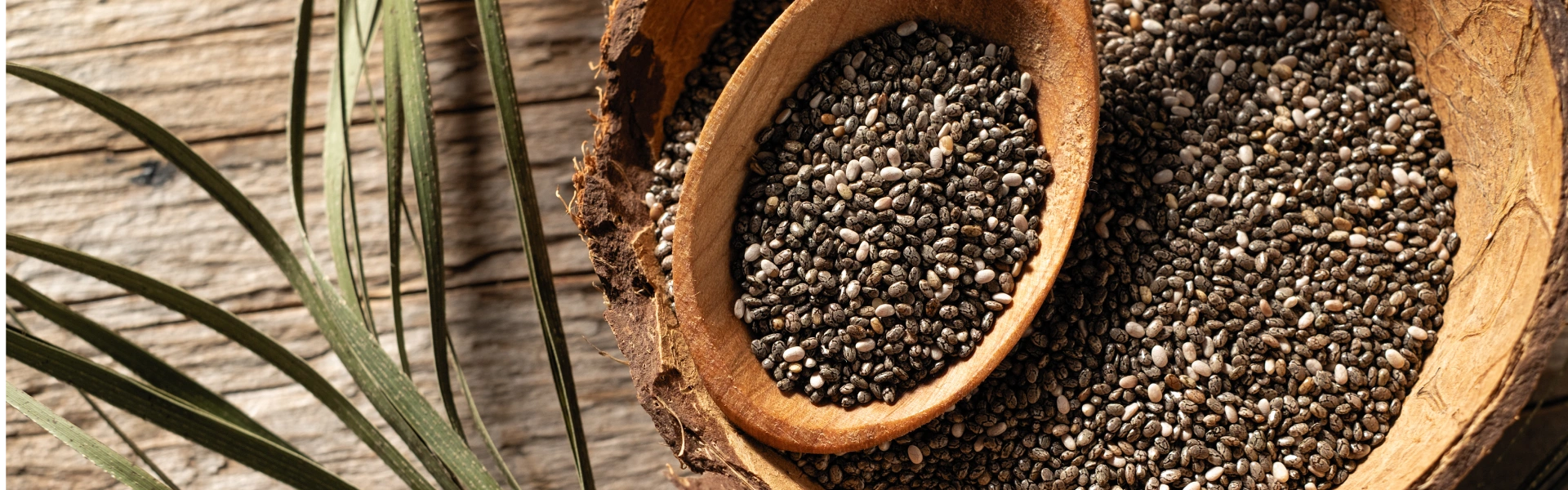
No one can ignore these South American seeds anymore: chia. Whether in a smoothie or salad, as a pudding or in bread, the small seeds are now ubiquitous. Read on to find out about the nutritional values of chia seeds and what makes them so special.
The key points
- Nutrient-rich superfood: chia seeds provide high-quality proteins, omega-3 fatty acids, fibre and important minerals and ensure long-lasting satiety.
- Versatile: thanks to their strong water-binding properties, chia seeds are suitable for puddings, smoothies, bread or as a plant-based egg substitute.
- Pay attention to the origin: when you buy them, pay attention to organic quality or indications of origin, as conventional cultivation can be contaminated with pollutant residues.
- Limit the amount consumed: do not consume more than 15 g of chia seeds per day to avoid side effects and to avoid stressing the body.
Chia: effect of the seeds – list of contents
Chia: origin of the seeds
Chia seeds are the edible seeds of an annual desert plant that belongs to the genus of sage plants. This labiate probably originates from parts of Central America and Mexico. The seeds have a long history, as the Mayas and Aztecs were already using them as staple foods to increase strength, energy and stamina. After the Spanish conquest, however, the consumption of seeds decreased sharply. It is only since the 20th century that cultivation has grown again. Today, chia seeds are once again considered a superfood. But what nutritional value do the small seeds have?
Are Chia seeds healthy?
Chia seeds consist of about 20 percent protein, 30 percent fat and up to 40 percent carbohydrates. Chia seeds have around 486 kcal per 100 g. They also contain lots of minerals and fibre. The nutrients contained in chia seeds have a high water-binding capacity, which ensures a longer feeling of satiety. Furthermore, Chia seeds are an excellent source of plant-based omega-3 fatty acids. Their high fibre content can support a healthy intestinal environment while the omega-3 fatty acids can have an anti-inflammatory effect.
It is important to observe the recommended maximum amount when consuming chia seeds. The German consumer advice centre recommends an average consumption of one to two tablespoons per day. It is best not to exceed the maximum daily amount of 15 grams.
Like many exotic foods, chia seeds have a dark side despite their excellent nutrients, which should not be ignored under any circumstances. Usually, you will not find any information about the growing conditions when you buy them. In any case, they are not really natural. Due to the growing conditions, the seeds may contain plant hormones and soil herbicides. If you want to be sure of your purchase, choose Chia products that have indications of origin or come from organic farms.
How do you process chia seeds to benefit from the nutrients?
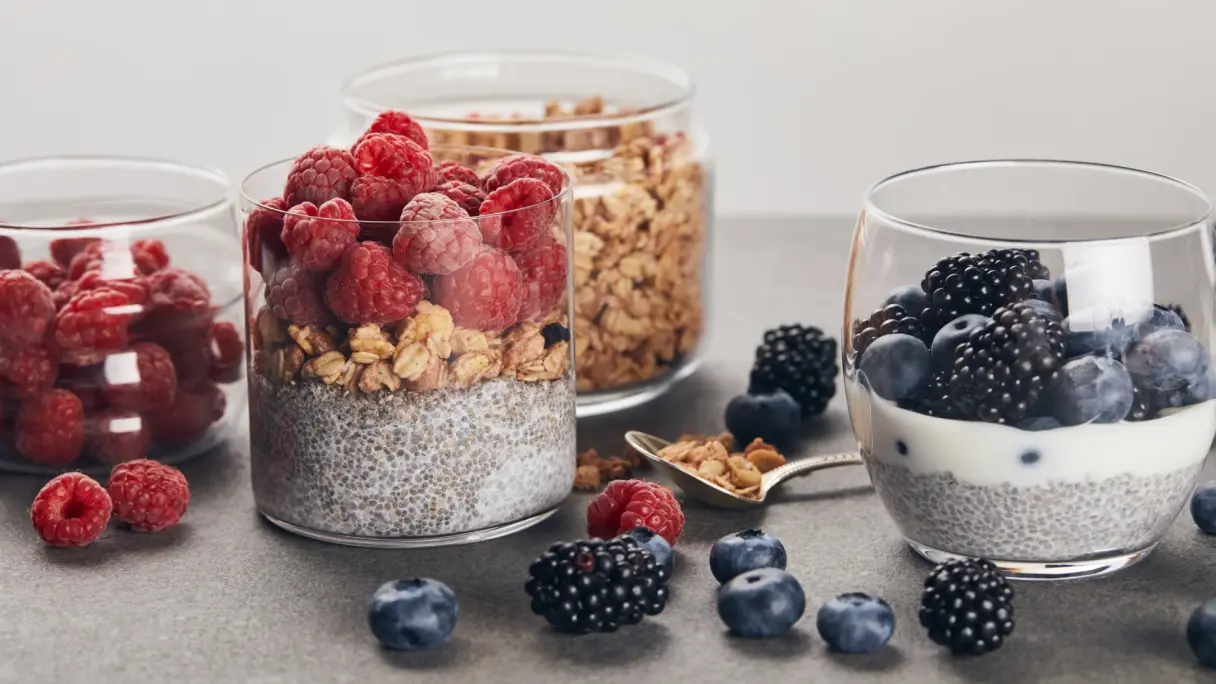
The small seeds have a high water-binding capacity – they can absorb 25 times their own weight in water. You can make use of this property in recipes, for example in chia pudding, which you can easily make overnight in your fridge. Due to their gel-like consistency, chia seeds are even suitable as an egg substitute. Simply mix one tablespoon of chia seeds with three tablespoons of water and let it swell for 15 minutes. Now the mixture can be used in your recipe instead of, and in the same way as, an egg. This means you can benefit from the valuable nutrients in chia seeds and bring stability to your baked goods without having to have eggs in the fridge.