
Chard: what are the nutritional values of this colourful vegetable?
When it comes to its variety of uses and nutritional values, chard is in no way inferior to spinach. Despite this, the latter seems to enjoy greater popularity. The origins of chard can be found in the coastal regions of the Mediterranean. In this article, we clear away the prejudices and give you some tricks and tips on the correct way to serve up chard with all its healthy nutritional values.
Storage time*
| BioFresh Fruit & Vegetable safe just above 0 °C with high humidity | 10 days |
| EasyFresh safe 7 °C with air regulation plate | 6 days |
| Fridge compartment 7 °C | 4 days |
| Freezer compartment -18 °C | 12 months |
The key points
- Versatile and full of nutritional values: chard is a power vegetable and is in no way inferior to spinach – either in the kitchen or in its vitamin content.
- Chard is rich in vitamins (K, A, C) and minerals (iron, potassium, magnesium) and supports, among other things, blood clotting, the immune system and energy metabolism.
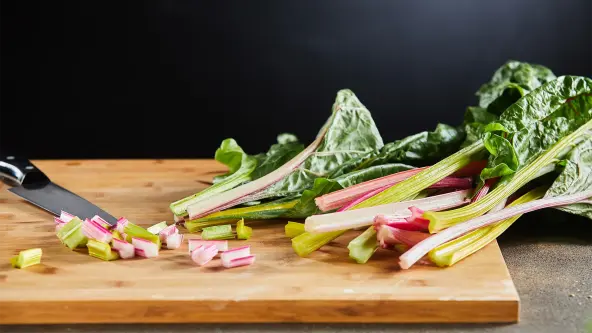
- Versatile preparation: whether it’s steamed, fried or eaten raw, chard can be enjoyed in lots of different ways. It’s best to cook the stems and leaves separately.
- Storage and shelf life: store fresh in a damp cloth in the fridge.
Chard: splendid colours and varieties
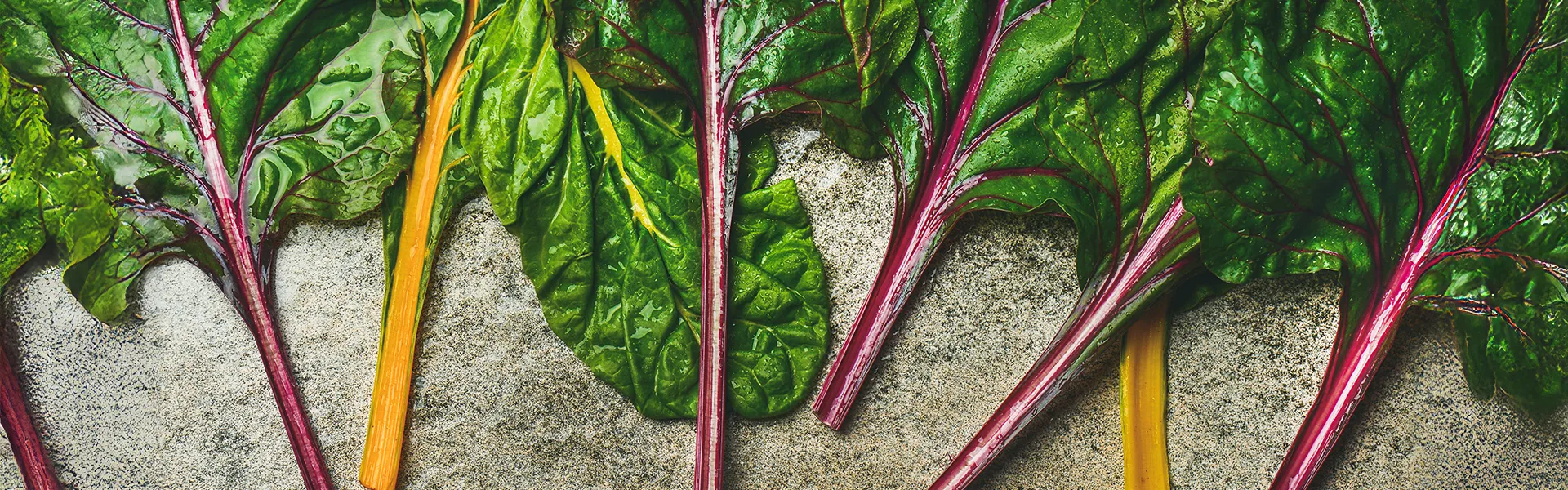
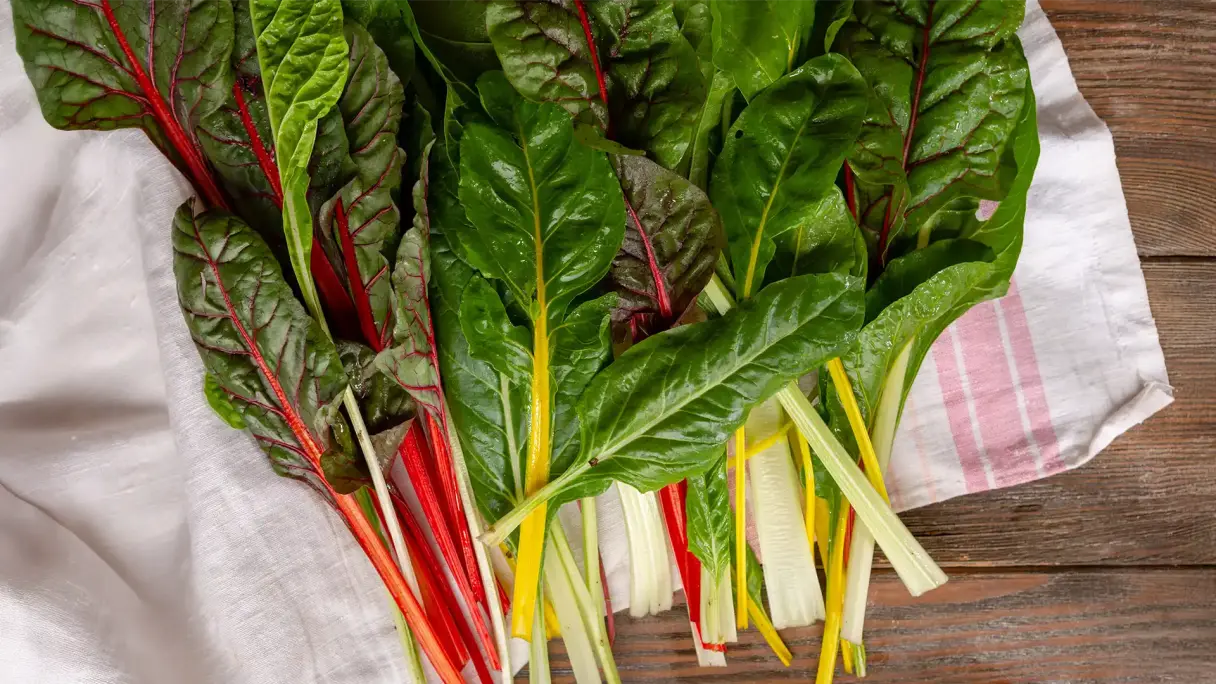
As you may be aware, chard has dark green, curly leaves. Surprisingly, the stems of the leafy vegetable can take on a wide variety of colours - from white to pink, red, violet, yellow and orange. But the leaves not only impress visually - their flavour is also unique. This is spicy and earthy, and reminiscent of beetroot or spinach.
Generally speaking, a distinction can be made between two varieties of the green vegetable: leaf chard and stalk chard. Leaf chard has small, broad leaves that produce a spinach-like vegetable. The stalk chard has very large leaves with thick leaf stems and ribs. The latter can be used to create a vegetable component similar to asparagus. The flavour of stalk chard is stronger and spicier than that of the more delicate leaf chard.
Chard and its healthy nutritional values
Chard is a particularly nutritious vegetable and is one of the healthy leafy vegetables. 100 grams of fresh chard only contain around 20 to 25 calories, which makes it ideal for a calorie-conscious diet. It contains a variety of important vitamins and minerals, most notably vitamin K, which plays a central role in blood clotting and bone health. Chard also contains significant quantities of vitamins A and C, which among other things can support eyesight and the immune system. Chard also provides folic acid, iron, potassium, magnesium and calcium – vital elements for supporting cell formation, energy metabolism and muscle function. Thanks to its high content of secondary plant substances and antioxidants, chard can also help prevent inflammation and oxidative stress, making it a valuable part of a balanced diet.
Besides its nutritional values, chard also has a unique taste of its own. It is naturally slightly earthy and somewhat bitter. When you cook chard, you can refine it with a dash of milk or cream to soften the strong aroma. This means you can prepare chard – just like spinach – in a variety of ways.
How best to store chard
If you also want to prepare chard out of season, the easiest way is to freeze it at home. It is best to blanch the chard before placing the crunchy vegetable into the freezer. At a temperature of -18 °C the chard will now keep for 10 to 12 months.
But chard is not just easy to cook when fresh, it can also be stored in a cool place. It is best to wrap it in a damp kitchen towel and store the leaves in a reusable airtight container. In the fridge, the chard with its healthy nutritional values will then keep for three to five days. If the vegetable is stored in an appropriate place, such as in a 0 degree compartment like the Fruit & Vegetable safe from Liebherr, you can even keep the vegetable fresh for up to ten days longer. This is because the temperature and humidity can be controlled precisely in the special BioFresh safes. Chard and the nutrients it contains benefit in particular from the high humidity level that is maintained at just above 0 °C. Under these conditions, the leafy vegetable remains crunchy, nutritious and loses moisture and vitamins much more slowly. This effectively slows down the natural spoiling process – without any preservatives.
*All specifications given are to be considered as guideline values, and depend in each case on the type of foodstuffs and on the proper storage without interruption of the cold chain from harvest/production through to the Liebherr appliance. Should food products have information about minimum shelf life, the date on the packaging always applies.
This might also interest you
Which foods shouldn’t you freeze?
Many foods can be frozen without any problem, but this doesn’t work in some cases. So which foods shouldn’t you freeze?
Superfood list for the summer – our top 10
Find out what’s behind the fruits and seeds on the superfood list. Are they really that healthy? Everything you need to know about local and regional alternatives.
Fact or fiction: reheat spinach – just don't do it!
Reheating spinach is said to be poisonous, but what is the truth behind this myth? We clarify whether spinach is poisonous after reheating or whether it is still edible.