Bok choy – nutritional values in the power cabbage
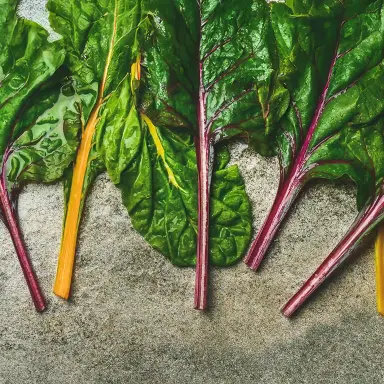
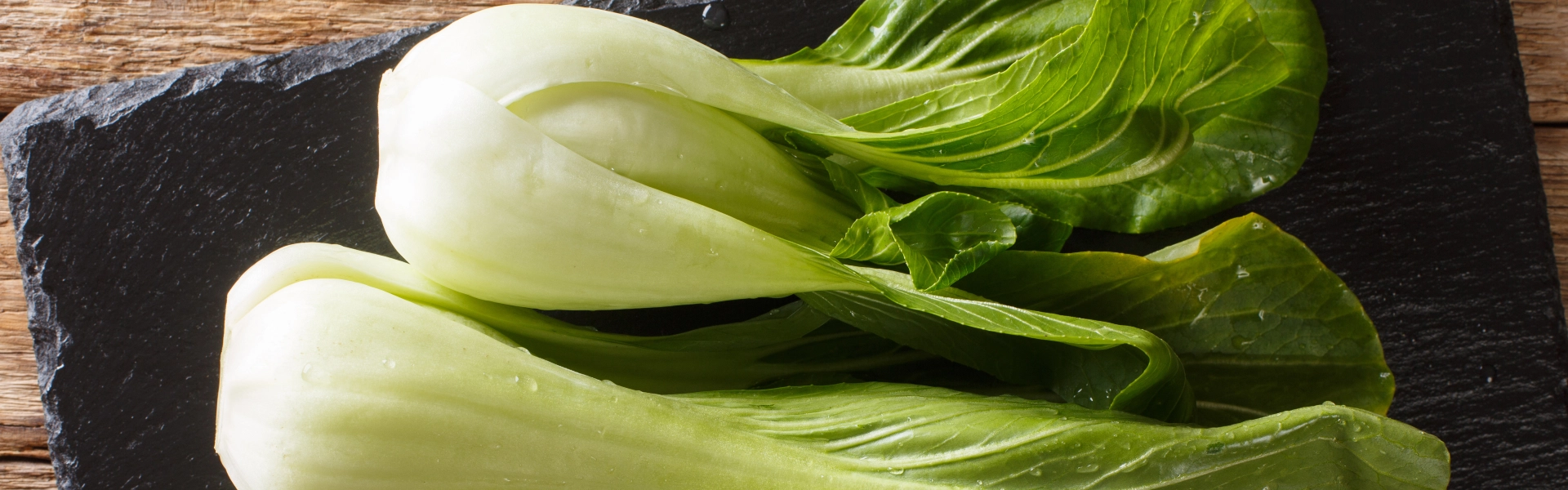
Whether it’s bok choy, pok choi or pak choy: what is meant is a cabbage all-rounder. You recognize bok choy by its spoon-like, smooth and green leaves. The leaf veins on the other hand are light. However, do not confuse it with chard, which is quite similar to bok choy. In terms of taste, however, this cabbage all-rounder is more similar to Chinese cabbage, although it is much juicier, more aromatic and above all milder. Are you now wondering what the nutritional values of bok choy are and how to prepare it properly? Find out in this article.
Storage time*
| BioFresh Fruit & Vegetable safe just above 0 °C with high humidity | 20 days |
| EasyFresh safe 7 °C with air regulation plate | 10 days |
| Fridge compartment 7 °C | 8 days |
| Freezer compartment -18 °C | 12 months |
The key points
- Low in calories, high in nutrients: only 13 kcal per 100 g, low in fat and rich in vitamins (A, C, K, B), minerals and folic acid – ideal for a healthy diet.
- Versatile in the kitchen: Whether it’s raw in a salad, steamed or briefly blanched – bok choy is quick to prepare and tastes mild and aromatic.
- Gentle preparation recommended: brief blanching preserves nutrients and ensures the best taste.
- Storage: store in the fridge. Freezing is possible, but affects consistency and taste.
Which nutritional values make bok choy the power cabbage?
For anyone watching their waistline and who also likes to try out new things, bok choy is a real all-rounder. With just 13 kcal / 100 g and virtually no fat, bok choy is also suitable for low-carb cooking. And not only are the nutritional values of bok choy impressive. The cabbage also contributes to a balanced and healthy diet with its many phytochemicals, vitamins C, K, B and A and its minerals. Bok choy is also recommended for pregnant women as it contains a lot of folic acid which is very important for the healthy development of the child. But how do we prepare bok choy along with its vitamins and nutritional values correctly so that our bodies can absorb as many of them as possible?
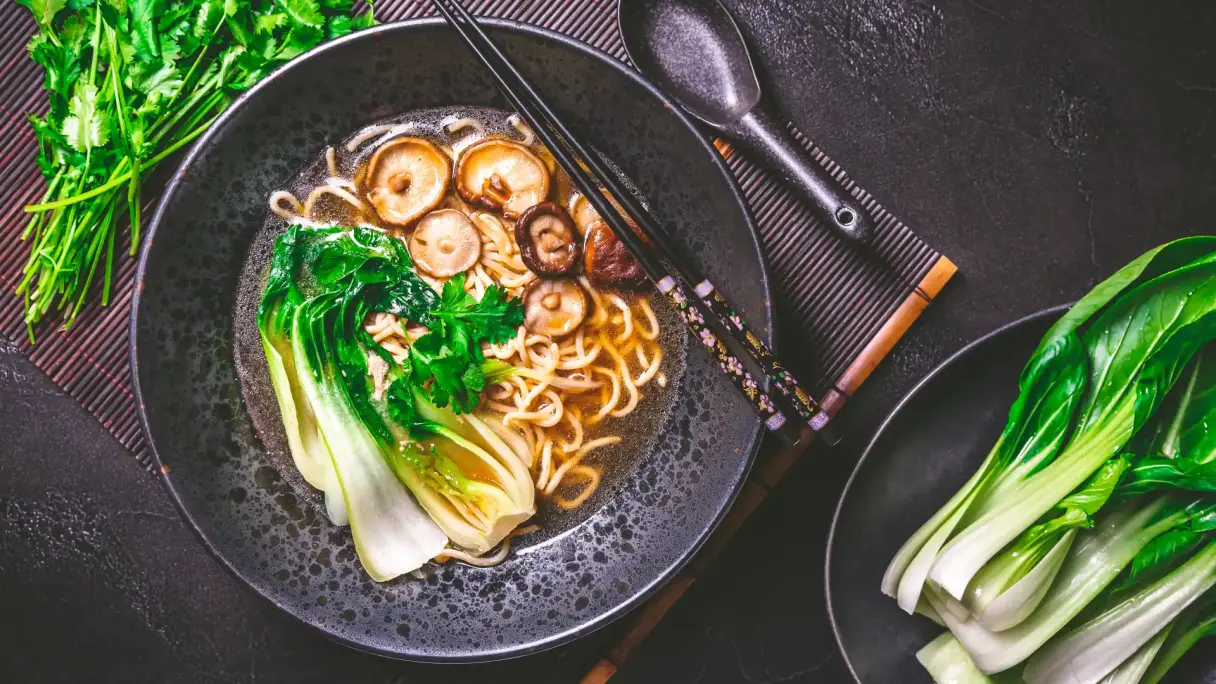
Whether raw, cooked or steamed, bok choy is always a treat!
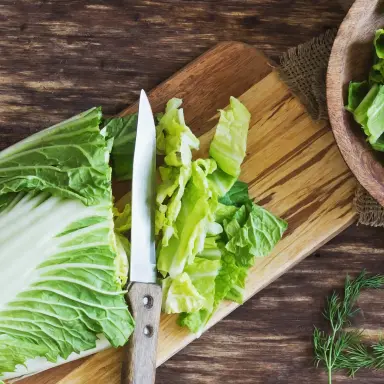
Regardless of how you ultimately want to consume the vegetable, it’s best to start by removing the outer leaves. Next, cut off the base of the stalk and wash the bok choy thoroughly with water. Then separate the stems and leaves and cut them into small pieces or strips. The cabbage is already ready to use in a salad. Contrary to the myth that bok choy is poisonous raw, you can eat the cabbage raw. This ensures that many of the nutrients are retained.
However, if you want to use bok choy as a vegetable side dish, blanching the stems briefly for about five minutes and the leaves for two minutes is recommended. Bok choy is extremely sensitive to heat and should therefore not be allowed to boil in hot water for too long. As a side dish it goes particularly well with lamb or chicken.
Unleash the power of bok choy with proper storage
If we’ve sparked your interest in healthy bok choy with all its nutritional values, you’ll then be wondering how to store the cabbage correctly. In the regular fridge compartment at approx. 7 °C, bok choy stays fresh for up to eight days. In a fridge with BioFresh, the cabbage will keep in the Fruit and Vegetable safe for up to 20 days. This special fresh food compartment provides a constant temperature of just above 0 °C with optimal air humidity. Thanks to this technology within the fridge, the bok choy with all its nutritional values will stay fresh for significantly longer.
To increase the shelf life, you might consider freezing the bok choy. This is also theoretically possible, but you should bear in mind that the leaves can become mushy after freezing due to their high moisture content. This not only changes the consistency and appearance of the cabbage, but the taste also becomes bland.
*All specifications given are to be considered as guideline values, and depend in each case on the type of food and on the proper storage without interruption of the cold chain from harvest/production through to the Liebherr appliance. Should food products have information about minimum shelf life, the date on the packaging always applies.