
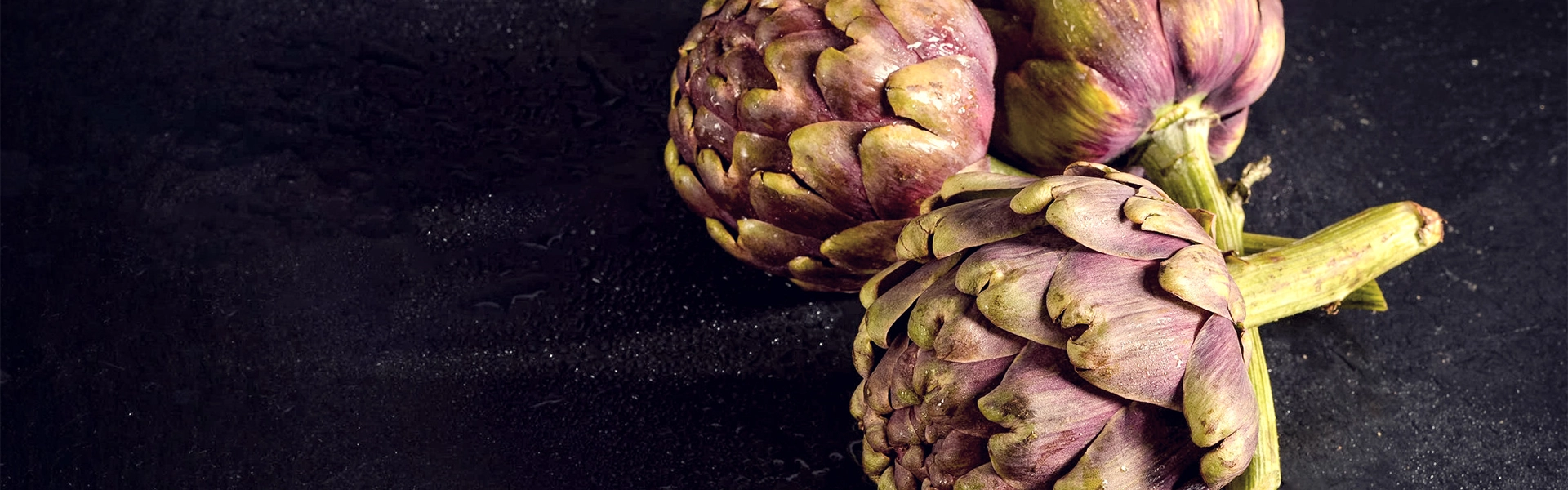
Artichoke: what you should know about the nutritional value of this vegetable
In salads, on pizza or as an antipasti – artichokes are ideal as a side dish or in combination with other ingredients. The buds and petals of the plant are particularly suitable for consumption. But what most people don’t know is that: even the leaves and roots, which are usually thrown away, not only taste delicious but are also very healthy. Find out about the nutritional values of artichokes and how to store them properly in this article.
Storage time*
| BioFresh Fruit & Vegetable safe just above 0 °C with high humidity | 14 days |
| EasyFresh safe 7 °C with air regulation plate | 3 days |
| Fridge compartment 7 °C | 3 days |
| Freezer compartment -18 °C | 6 months |
The key points
- Artichokes contain healthy nutrients: vitamins and minerals promote digestion and lower cholesterol levels.
- Fresh artichokes are best stored in the fridge.
- Do not cut off the stem – it keeps the artichoke fresh for longer.
- Preparation: wash before boiling, break off the stem, cut off the outer leaves and tips, then boil in salted water for 30–45 minutes.
Are artichokes healthy because of their nutritional value?
Artichokes have good nutritional values, are low in calories and very rich in vitamins and minerals such as iron, magnesium, phosphorus and calcium. They also contain substances that stimulate digestion and can have a positive effect on blood lipid levels. Thanks to their nutritional values and effects, artichokes are particularly helpful in relieving feelings of fullness and flatulence after fatty meals. They lower cholesterol levels and thus overall blood lipid levels. Artichokes and artichoke hearts are therefore very healthy when prepared correctly.
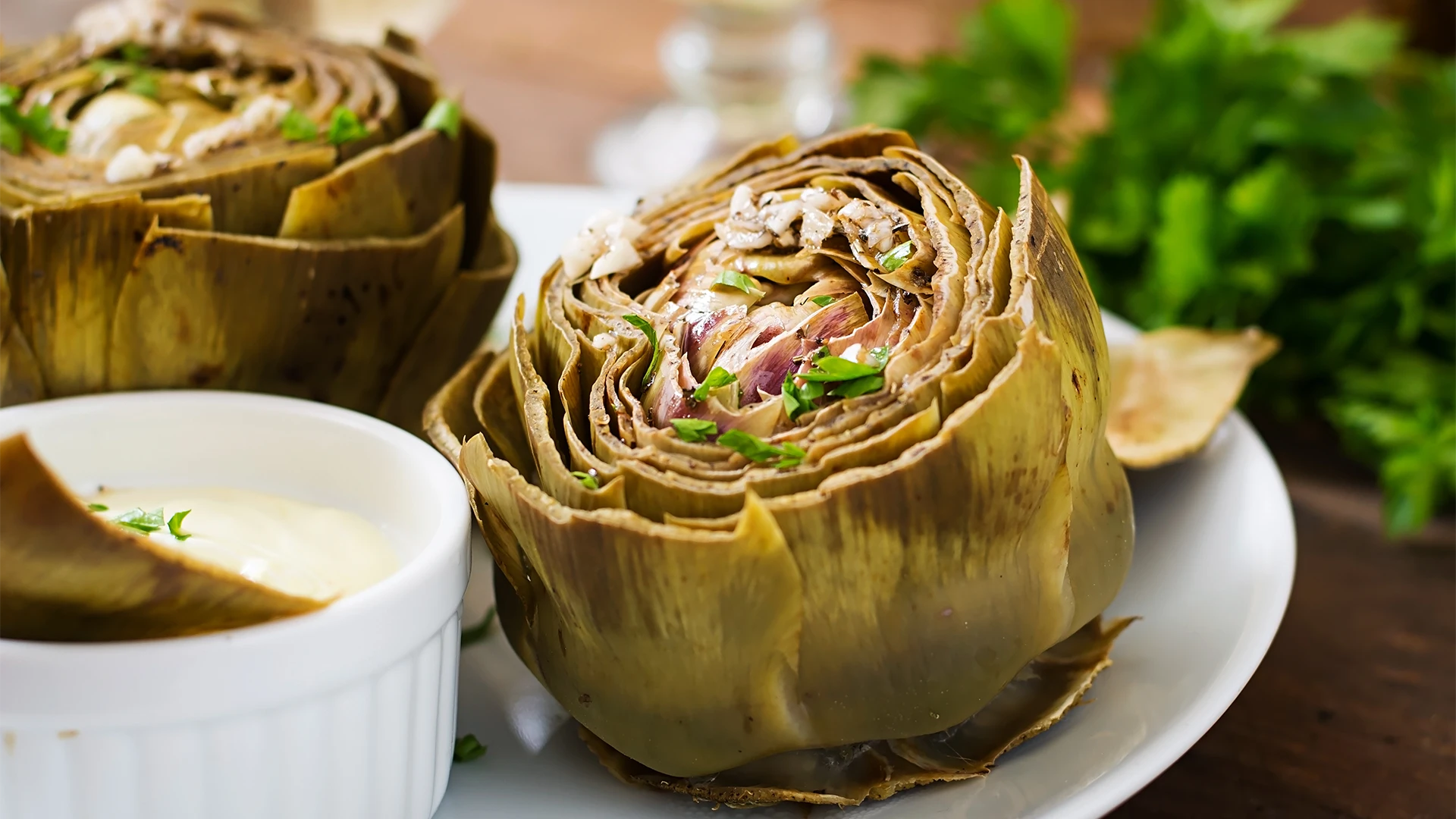
Growing artichokes
Artichokes are a true sun worshipper and are therefore grown in warm, sunny regions. The soil should be nutrient-rich and always well watered. The plant sprouts every year from a strong rootstock and can grow to a height of between 1 and 2 metres, depending on the variety. Like cauliflower and broccoli, artichokes are inflorescence vegetables, meaning that it is mainly the base of the flower that is eaten. However, the overlapping inner bracts are also sometimes eaten.
The taste of artichokes depends greatly on how you prepare them. Due to the bitter substance cynarine, fresh artichokes have a tart to bitter taste. However, the taste can vary greatly depending on the variety and method of preparation. Some taste slightly sweet, nutty or even a little bitter. Artichokes are also often sold pickled at delicatessens. The pickled variant from the fridge section tastes slightly sour.
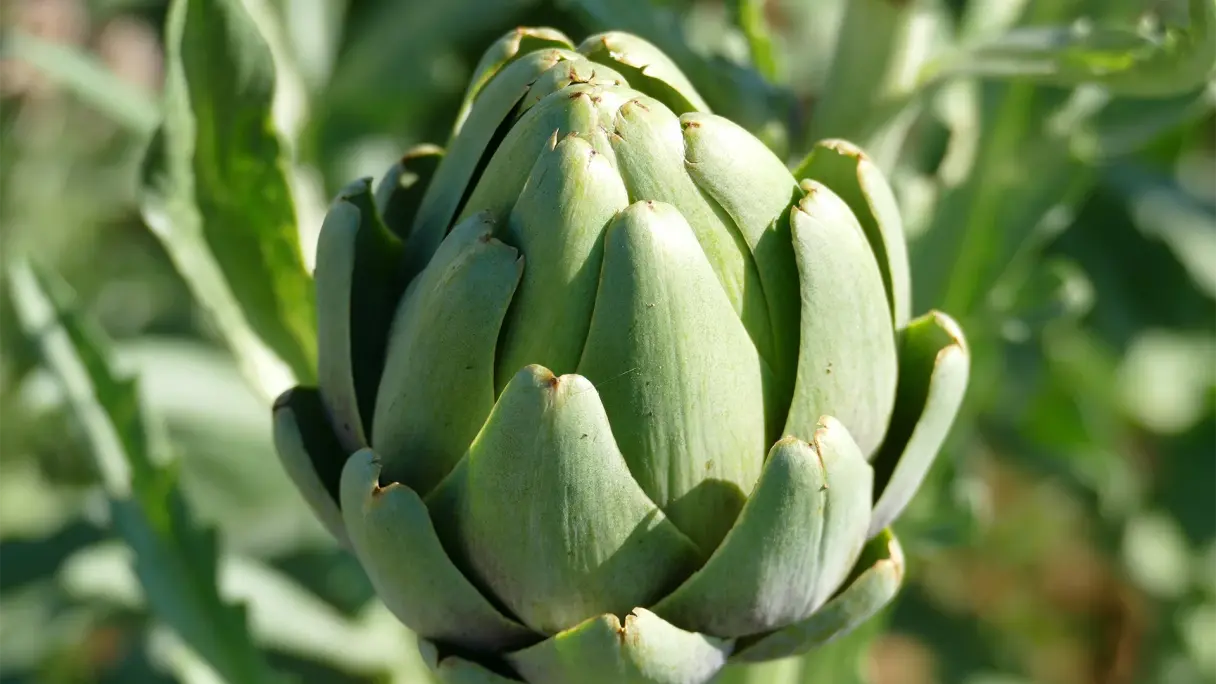
How to store artichokes correctly
Ideally, fresh artichokes should be stored in your Liebherr fridge. They can be stored in the regular fridge compartment for up to six days. When the temperature is kept precisely just above 0 °C using technologies such as BioFresh, it stays fresh for up to 14 days. Liebherr’s technology is based on precise climate control that ensures ideal storage conditions to significantly extend the shelf life of fresh food. Special compartments in the fridge – known as BioFresh safes – are kept at a constant temperature of just above 0 °C. At the same time, the humidity is adjusted to suit the type of food, whether it is fruit and vegetables (high humidity) or fish, meat and dairy products (drier climate).
It is important not to cut off the stem, as it supplies the artichoke with water and keeps it fresh. Cooked artichoke bottoms can also be frozen and will keep for about six months.
*All specifications given are to be considered as guideline values, and depend in each case on the type of food and on the proper storage without interruption of the cold chain from harvest/production through to the Liebherr appliance. Should food products have information about minimum shelf life, the date on the packaging always applies.
This might also interest you
Freezer: what is the right temperature?
Almost every household has a freezer. But what is the ideal temperature for frozen food, and why is it so important?
Eat healthily: could food replace medicine?
Find out how eating healthily can boost your well-being. Valuable tips, nutrients and inspiration for a health-conscious lifestyle!
Preserving food in the fridge for longer
Most foods can be preserved for longer if they’re stored in the fridge. This is why cool temperatures have an impact on the shelf life of food.