Five tips for reusing food waste
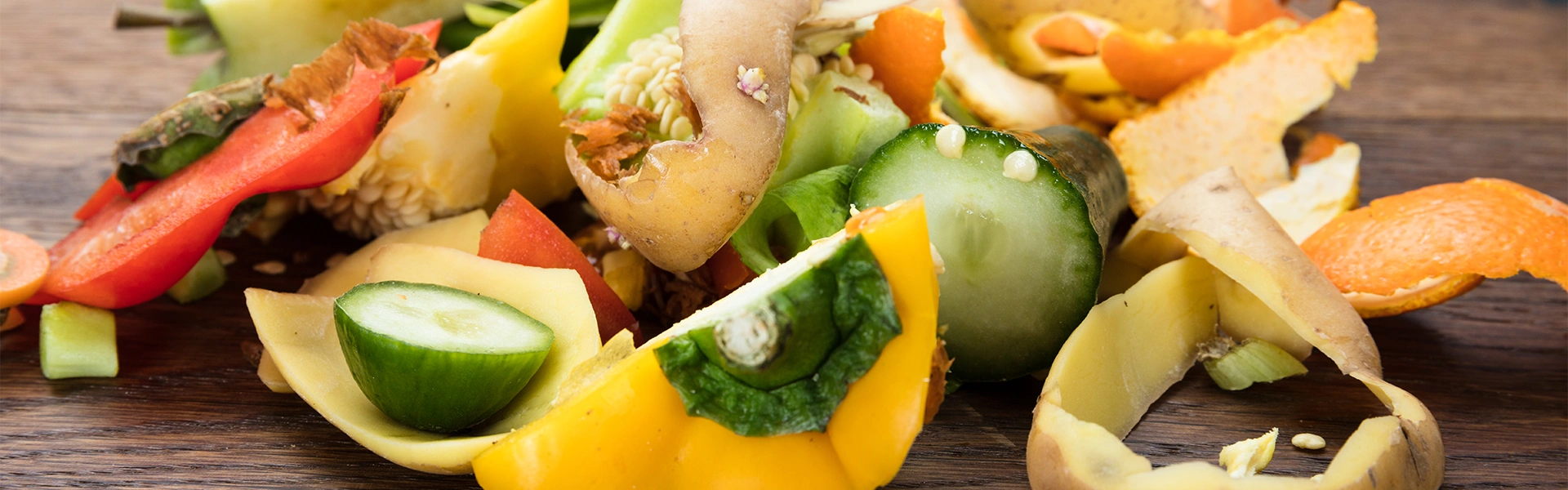
In many households, potato peelings, carrot tops and broccoli stalks end up in the organic waste. These parts are in fact often the most nutritious and flavorsome. The following five tips and tricks will tell you how you can use supposed food waste to conjure up delicious dishes, preserving the environment and saving you money in the process.
The key points
- Processing green leaves: integrate edible green leaves into pesto sauces or smoothies.
- Crisps from peelings: use potato and banana peelings to make crisps.
- Vegetable broth: prepare broth from vegetable waste.
- Make use of cooking water: reuse any water you’ve used for cooking for plants, sauces, for soaking legumes or for pesto.
- Growing vegetable crops: use any pieces chopped off the end of vegetables for growing.
In Germany, 75 kilograms of food are thrown away every year on average per person. This includes waste from both food preparation and food waste, as well as green waste. However, many discarded leftovers can be recycled without any problems. And in this way, everyone can do something to tackle food waste:
1.
Greens as a flavor enhancer, in smoothies or as pesto
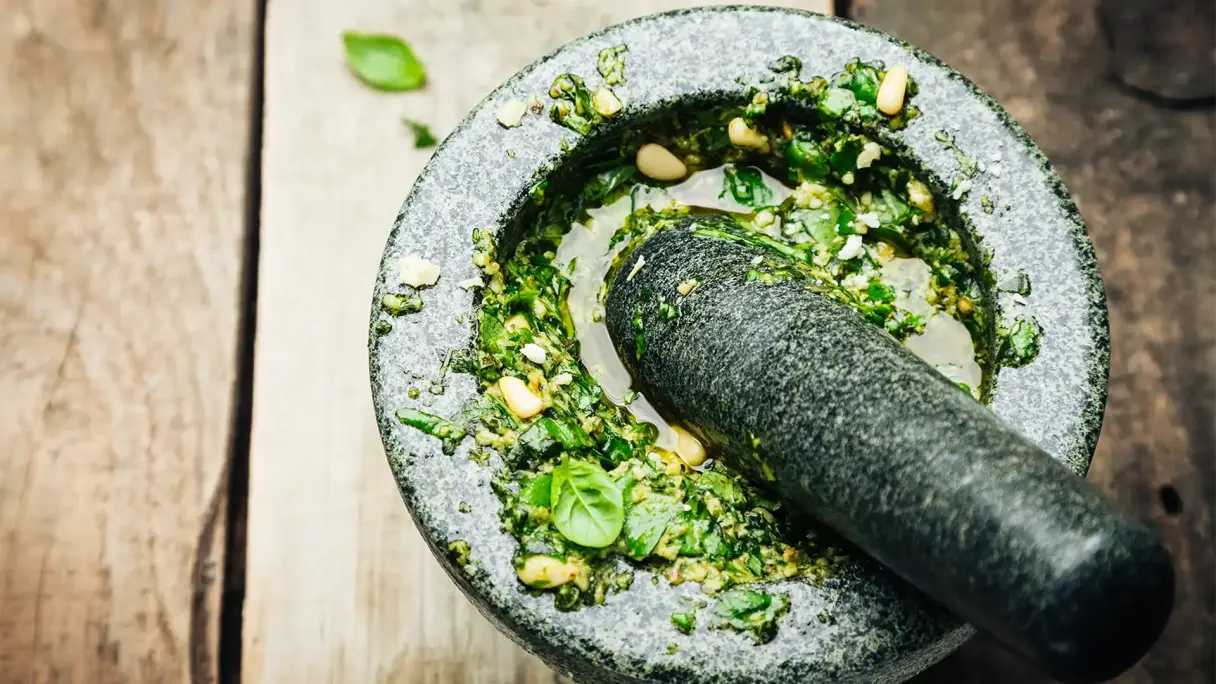
Pesto – the ideal way also to reuse the nutritious leafy greens of carrots, etc.
The leafy greens of carrots, kohlrabi, beetroot and radishes should not just be thrown away as they are absolutely edible and also contain many healthy ingredients. The leaves can be used as a herb in various dishes, similar to parsley, or it can be added to smoothies. Another possibility is to turn the greens into a delicious pesto. To do this, simply mix the green leftover parts of the vegetable with nuts of your choice, high-quality oil, salt, pepper, and some Parmesan.
Remember: do a little research beforehand to find out which greens are edible.Rhubarb leaves, for example, contain a high amount of oxalic acid and are therefore not suitable for consumption under any circumstances!
2.
Upcycling fruit and vegetable peelings
Crisps don’t always have to be made from whole potatoes, they can just as easily be made from the skin. Simply clean the potato peelings thoroughly, drizzle over some olive oil, herbs and spices, and bake in the oven at 200 °C for about 15 minutes. You can decide how much oil and salt to add, giving you a healthy alternative to crisps from the supermarket.
But it is not just vegetable peelings that lend themselves to the preparation of tasty delicacies. The skin of a banana can also be used to make chips, for example. Firstly, wash the skin of the banana thoroughly. Then cut into thin strips. Then boil the strips for about ten minutes, roll them in flour, and then fry them in oil. Last but not least, give a healthy dose of seasoning to your banana chips. The skin of the banana contains even more healthy ingredients than the fruit itself. However, you must use organic bananas, as conventional fruits contain too much pesticide residue in the skin.
3.
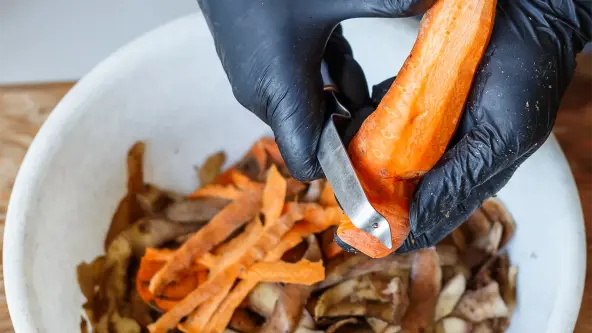
Still throwing away vegetable peelings? It’s better to turn them into a delicious vegetable broth.
Upcycling fruit and vegetable peelings
Vegetable broth is a must-have in every kitchen. And you can make it yourself without much effort using leftover kitchen scraps. After chopping your vegetables, always freeze the leftovers.
As soon as you have collected enough different types of vegetable leftovers, bring it to the boil in a saucepan with plenty of water. Season the stock with fresh herbs, salt and pepper. Then strain the leftovers and pour the stock into clean, easy-to-close containers. In your refrigerator, the home-made vegetable stock will stay fresh for a good few days. Of course it can also be frozen in portions for a longer shelf life. The vegetable broth can then be used as a basis for sauces.
4.
Don’t pour away boiled water!
In many households, pasta is a dish served several times a week. Cook the pasta al dente in plenty of salted water. But pasta water is far too good to just tip down the drain. That’s because: there are many things you can do with water used to cook pasta. Your plants will, for example, enjoy the minerals contained in the water. Another possibility is to spice up your sauces with pasta water. They become even creamier because of the starch it contains. This fantastic water with its delicious aroma is also ideal for soaking pulses or as an ingredient in pesto.
You should, however, be careful with potato water. Potatoes contain poisonous solanine, which passes into the water when cooked. So it's better to pour away the cooking water from the spuds.
5.
Re-rooting vegetables in no time
New vegetables can be easily grown from cut-off end pieces of many vegetables. For lettuce, spring onions, leeks and celery, you should cut off a 5 cm long piece; for onions and kohlrabi it is only 2 cm. Afterwards, the end pieces must be placed in water to root. After five to seven days you can take the stem out of the water and plant it in soil. Soon you will have your own home-grown vegetables.
Important: when using fruit and vegetable leftovers, make sure you use organic produce. That’s because: in conventional farming, the peel and also the greens of the food are treated with pesticides and should therefore not be eaten.
Have fun trying out our kitchen hacks.
This might also interest you
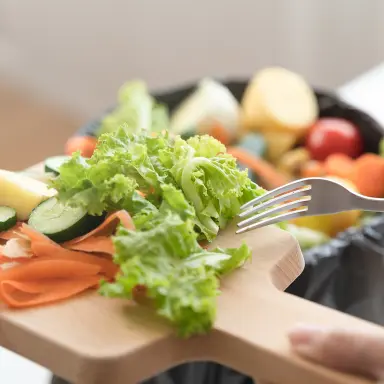
Tips to prevent food waste – too good for the bin!
Discover three tips to prevent food waste and save in the long run. Read how you can budget smart and conserve resources!
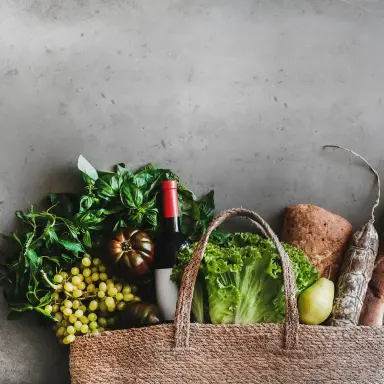
Planning your weekly shop
Planning your weekly shop: saving time and money, enjoying a balanced diet and preventing food waste.