


Identifying wild herbs for safe gathering
A wild green with splashes of color: wild plants are a pleasure in themselves, even just to look at. Identifying wild herbs is important in order to be able to eat them. The plant kingdom has a lot to offer in terms of edible delights, exciting taste experiences and healthy nutrients. However, there are a few things to be aware of when identifying wild plants. We show you how to use nature’s treasures!
The key points
- Only collect edible wild herbs: many plants look similar – an identification guide helps to avoid dangerous mix-ups.
- Be sure instead of taking risks: if in doubt, it is best to leave unknown plants alone. Well-known species such as nettles and dandelions are ideal for beginners.
- Be mindful of where you collect them: protected species and plants from nature reserves or contaminated soil are off limits.
- Enjoy fresh or preserve: use wild herbs as quickly as possible, or alternatively pickle, dry or make into jam.
Identifying wild herbs – list of contents

You can’t go wrong with dandelions – they are ideal for getting to know the world of wild herbs step by step.
Identifying wild herbs in nature – how to do it
Many edible wild plants have deceptively similar relatives that are poisonous to eat. It is therefore essential to be able to identify wild herbs correctly. Your eyes open when collecting! This is the only way to fully enjoy the benefits of the wild herbs you identify.
Before you start collecting, it is best to get a book on identifying wild herbs, which contains accurate illustrations and descriptions of the individual plant species. This will often specifically refer to the differences between the edible herbs and their poisonous relatives. In this way you can reliably eliminate any risk of confusion and poisoning. The most important thing to remember is that If you are even slightly unsure about the identity of a wild herb, it is better to leave the plant where it is than to put it in your basket and risk your health.
When starting out, collect known species with a low risk of confusion. When collecting, gradually integrate new species into your repertoire. This will help train your ability to look in detail. Join a group herb walk to learn the basics of identifying wild herbs. The location where you intend to collect the herbs should also be carefully considered. Nature reserves, for example, are generally off-limits! Picking protected species is also not allowed anywhere. Otherwise, collect where the plants can thrive without environmental pollution. By the way, spring is the best time for collecting!

Wild garlic is mainly found in forests.
Preparing and storing wild herbs
Once at home, certain wild herbs are best used immediately for full effect. The fresher the herbs are, the more you benefit from the high vitamin and mineral content of the wild plants. The ways of preparing wild plants are extremely varied. A book of wild plants also reveals which parts of the plants can be used. Whether to enjoy raw or cooked, as the main component of the meal or as a side dish, the decision here is down to taste and personal preference. Thoroughly washing wild herbs before preparation is always recommended. Some species need additional preparation steps. Nettles or other species with stinging hairs are only suitable for salads when blanched. The sourer varieties can be tempered if we soak them in warm water before eating and prepare them with food from your refrigerator to temper the flavor such as cream, crème fraîche or sour cream. The addition of apples or pears can also help to balance this. Hot plants such as wild garlic, garlic mustard or yarrow taste best if we cut them up small and mix them in as a spice.
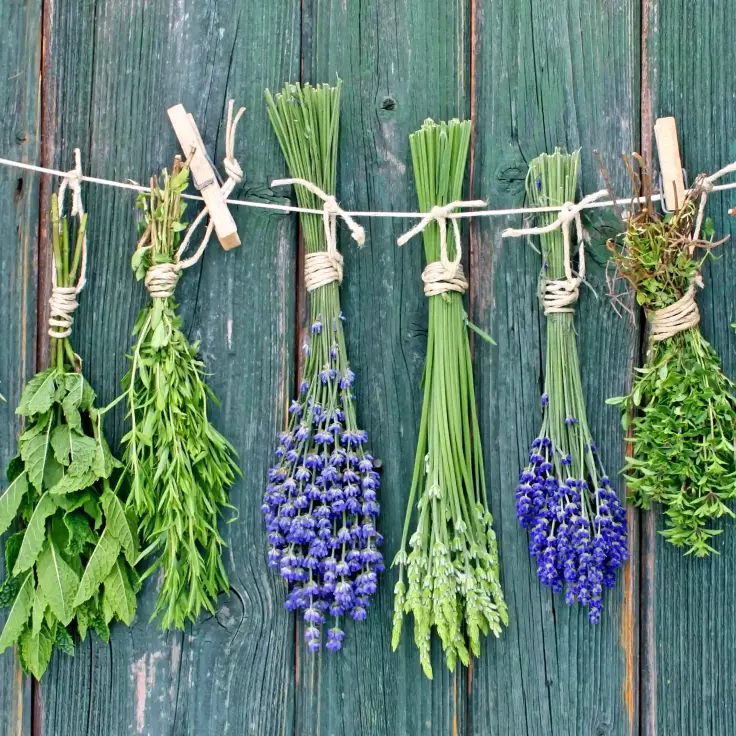
Potential recipe inspirations for using certain wild plants range from mixed salads, soups, sauces, oven-baked dishes, stuffed pancakes and leaf roulades to pesto, herb quark or smoothies mixed with fruit. We can prepare or cook edible roots similar to carrots and mash them into puree. Dandelion roots even taste great roasted and ground as a substitute for coffee powder. Edible flowers are a particularly decorative delicacy. Candied, they enhance the taste and appearance of any dessert, such as a simple ice cream from your chest freezer. Wild herbs can also be preserved by pickling them in vinegar, oil, sugar or alcohol. In this way you can make products such as wild plant vinegar, oil, syrup or liqueur and preserve your plants. Alternatively, a home-made wild herb jam from your Side-by-Side refrigerator will certainly make an impact at Sunday breakfast. Otherwise, the herbs can also be dried and used for teas or as a dry spice. Once they have been carefully identified, wild herbs can be used in many tasty dishes.
This might also interest you
Preserving herbs: our best tips and tricks

Storing berries: what you need to know
Storing berries without loss of quality: How to preserve flavor and freshness. Tips for correct storage in the refrigerator or freezer. Find out more now.

Use nettles fresh or freeze them?
Process fresh nettles step by step. Discover how to harvest nettles, use them fresh or freeze them for pesto and smoothies.