Egg freshness test: how to check their shelf life
Have you ever stood in front of the refrigerator and wondered when you actually bought the eggs and whether they are still edible? With a very simple egg freshness test, you can find this out very quickly. We’ll tell you how to easily test for freshness to avoid eating spoiled eggs.
The key points
- Simply test: the freshness of eggs can be reliably checked using water, impact and shaking tests.
- Watch out for smell and color: a foul smell or discoloration are clear signs of spoiled eggs – these should be discarded.
- Correct storage is important: eggs stay fresh much longer in the refrigerator; ideal temperatures are below 5 °C.
When are eggs spoiled?
An egg always looks the same on the outside – but its inside can vary greatly depending on how fresh it is. That’s why it’s worth doing a quick egg freshness test before putting it in the frying pan, saucepan or cake batter. Special care should be taken when eating raw or half-cooked eggs. However, if you pay attention to a few basic things when testing egg freshness, you can sit back and relax, safe in the knowledge that your eggs are edible.
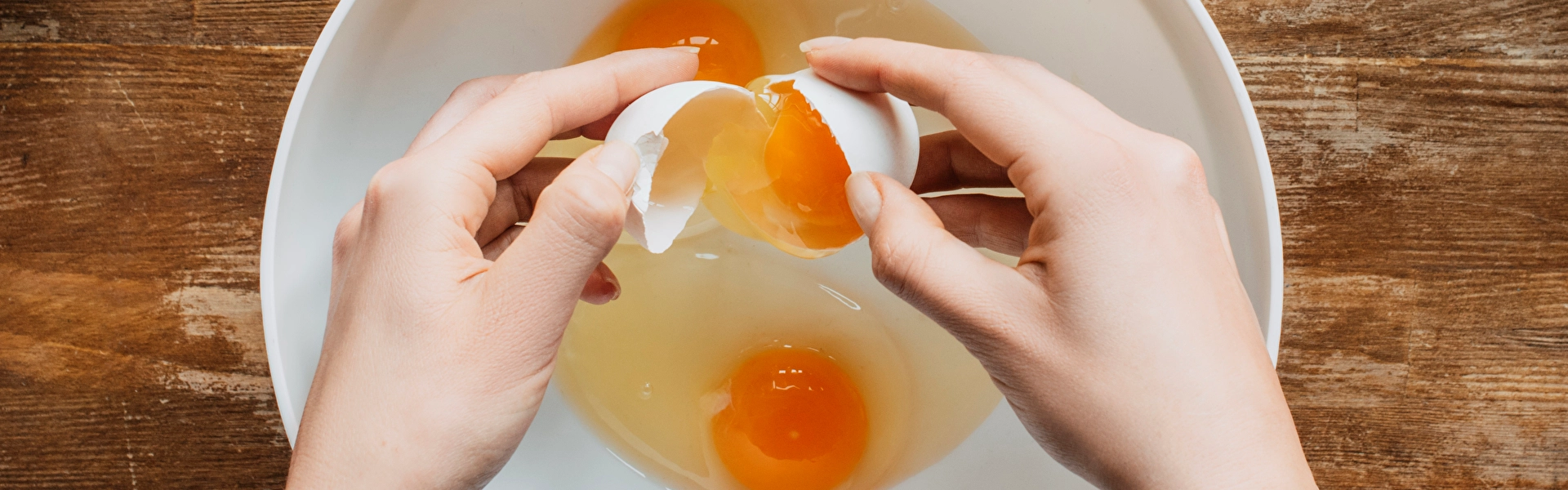
An egg is considered spoiled if it smells unpleasant, looks unusual or feels strange. Whether eggs are still good becomes apparent when you crack them open. If you notice a foul smell, this is a clear sign of a spoiled egg. This should be disposed of immediately. A greenish or pink discoloration in the egg white or yolk also indicates bacterial decomposition. Such eggs must not be consumed under any circumstances, even if they are heated. However, some tests show quite reliably whether eggs are spoiled.
How to find out if eggs are still good – the tests
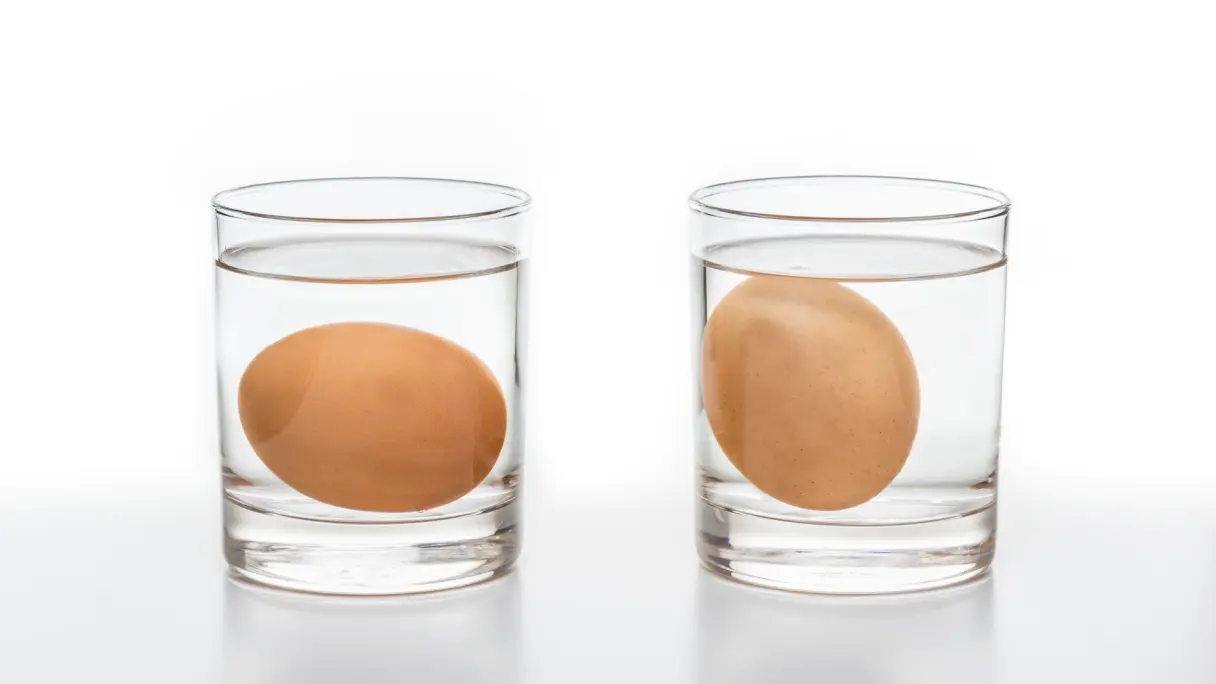
For the egg test with water, place the egg in a glass and fill it with cold water. If the egg stays at the bottom during the freshness test, it is fresh. If it tilts slightly, then it has already been in your refrigerator for several days. If the egg rises to the surface, you should discard it. The reason this egg freshness test works is that over time the water inside the egg evaporates and is replaced by air. The more air there is in the egg, the better it floats and the older it is.
Another way to test for egg freshness is to crack the egg and observe how the yolk and white behave. If the yolk bulges and the white remains thick, then the egg is still fresh. However, if the yolk and white immediately spread out, the egg is old. The protein chains in the egg white dissolve over time, and so the yolk and white lose their cohesion and spread out more.
To test the freshness of eggs, you can also shake them. If the egg makes no noise, you can eat it – it is fresh. If, on the other hand, it gurgles when shaken, it contains air and the egg is old.
Without performing an egg freshness test, you can consult the best-before date. The manufacturer guarantees the shelf life until at least this date, provided the eggs are stored properly.
Keep eggs fresh to get positive tests
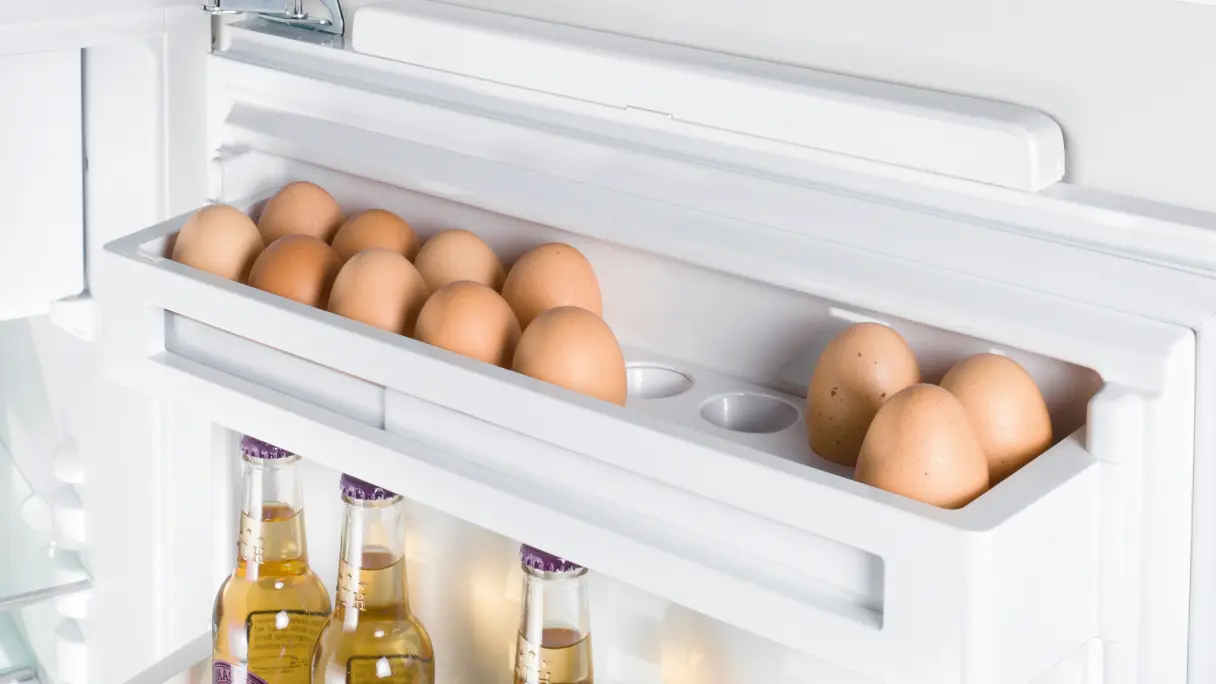
To ensure that your eggs last a long time in your refrigerator-freezer and to save yourself the guesswork and egg freshness tests, there are a few things you should keep in mind when buying and storing them:
- Buy fresh eggs with a long shelf life and use them soon
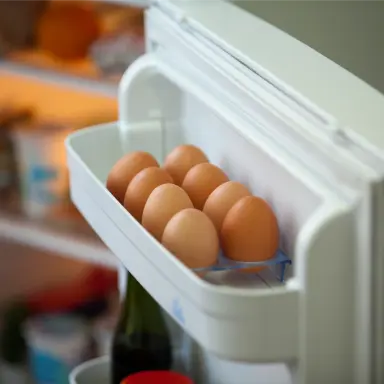
- Store eggs in the refrigerator, as salmonella hardly multiplies at all at temperatures below 5 °C, unlike at room temperature. Salmonella that has already developed remains, even after subsequent cooling.
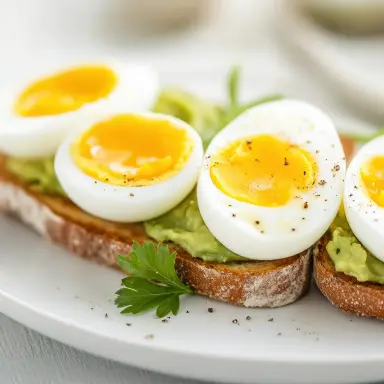
- Leave breakfast eggs in boiling water for at least five minutes.
- Eggs whose best-before date has passed should always be heated before being consumed. Salmonella is killed at 70 °C.
Eggs can be stored for about 15 days in the refrigerator compartment, and for up to 45 days in theBioFresh safe in our refrigerators. Enjoy your eggs for longer and avoid spoiled ones in the future. With the appropriate cooling and storage tips and the egg freshness test, you will only consume edible and long-lasting eggs!