Shellfish and cholesterol – enjoy the taste with a clear conscience
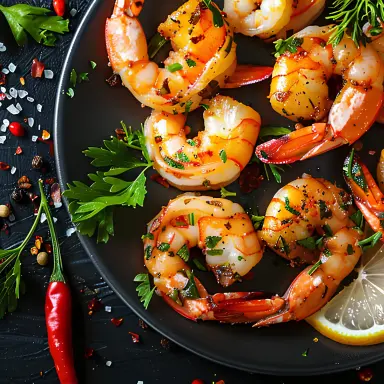
Shellfish are not only among the culinary highlights from the sea, but are also a recurring topic in nutritional discussions – especially when it comes to cholesterol. Read on to find out which species are included, what makes them so healthy and what the cholesterol content of shellfish really is.
Storage time*
| Shrimp | Brown shrimp | Prawns | |
|---|---|---|---|
| BioFresh Fish & Seafood safe -2 °C with low humidity | 4 days | 4 days | 4 days |
| Refrigerator compartment 7 °C | 1 day | 1 day | 1 day |
| Freezer compartment -18 °C | 3 months | 1 month | 3 months |
The key points
- Shellfish such as shrimps, prawns and crayfish are protein-rich, low-fat seafood delicacies.
- When eaten in moderation, shellfish are considered a cholesterol-conscious choice thanks to their omega-3 fatty acids.
- Modern cooling technologies, such as Liebherr’s Fish and Seafood safe, extend their shelf life significantly.
- People suffering from gout should only consume shellfish in moderation because of their purine content.
Crayfish, prawns, shrimps – an overview of shellfish and their cholesterol content
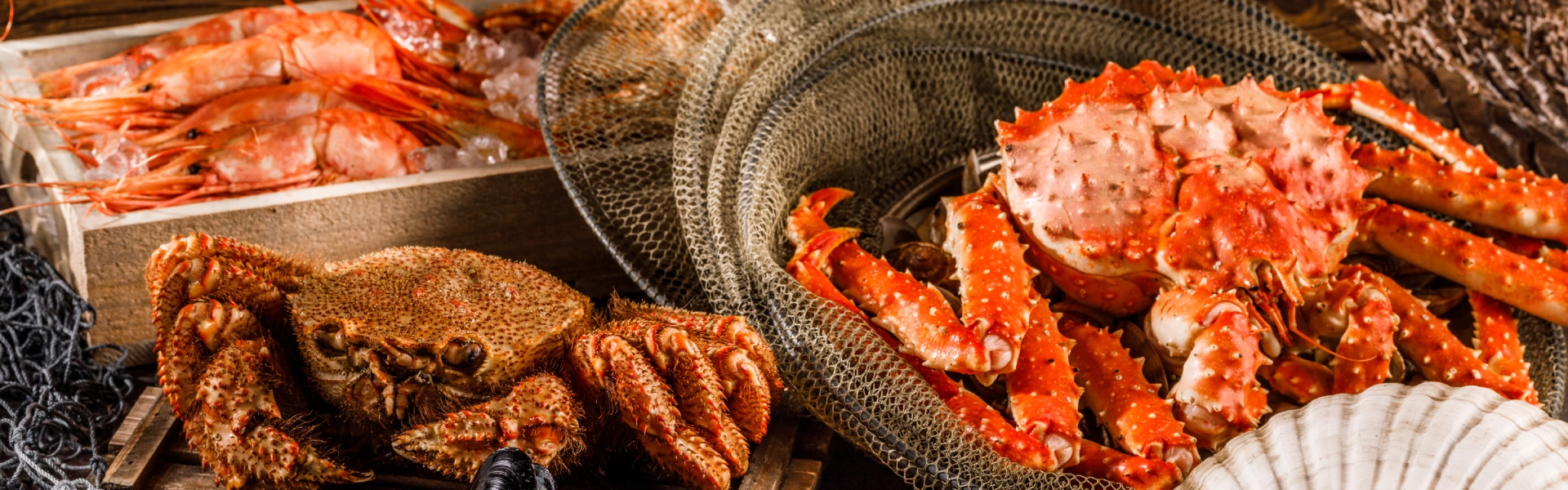
First comes the term “crustacea” which is synonymous with as “shellfish”. Tens of thousands of species are classified under this. Shrimps form one group within crustacea while another group is entitled “prawns”. Various families such as the edible crabs belong to the prawns. The family of edible crabs is divided into smaller genera which are then ultimately divided into species. This is also the case for shrimps: the species “North Sea shrimp” for example, is part of the “Crangonidae” family.
There is good reason for the phrase “red as a lobster”: boiled crustacea have an unmistakable bright red coloring. However, the protective shell of the living animal is not red at all. In fact, depending on the species, the uppermost layer is a dark-green to a dark-brown color or blue. The shellfish are ideally camouflaged thanks to this dark coloring because they are adapted to the color of their environment. Only once the shellfish come into contact with boiling water does this upper layer become transparent, revealing the layer underneath, which contains a red pigment.
Discerning connoisseurs naturally ask themselves: are shellfish actually healthy? Shellfish do contain cholesterol, but the amount is significantly lower than is often assumed – and, above all, it is balanced by the polyunsaturated fatty acids they contain. These have a positive effect on cholesterol levels and can lower so-called ‘bad’ LDL cholesterol.
The good news for shellfish lovers is that shellfish are considered nutritionally beneficial for the body thanks to their high-quality, easily digestible protein. The high protein content and low calorie count of shellfish make them particularly healthy. North Sea prawns, for example, contain almost 19 grammes of protein per 100 grammes and their fat content is just 1 %. However, people with gout should take care because shellfish have a high purine content.
Keeping shellfish fresh for longer when watching your cholesterol
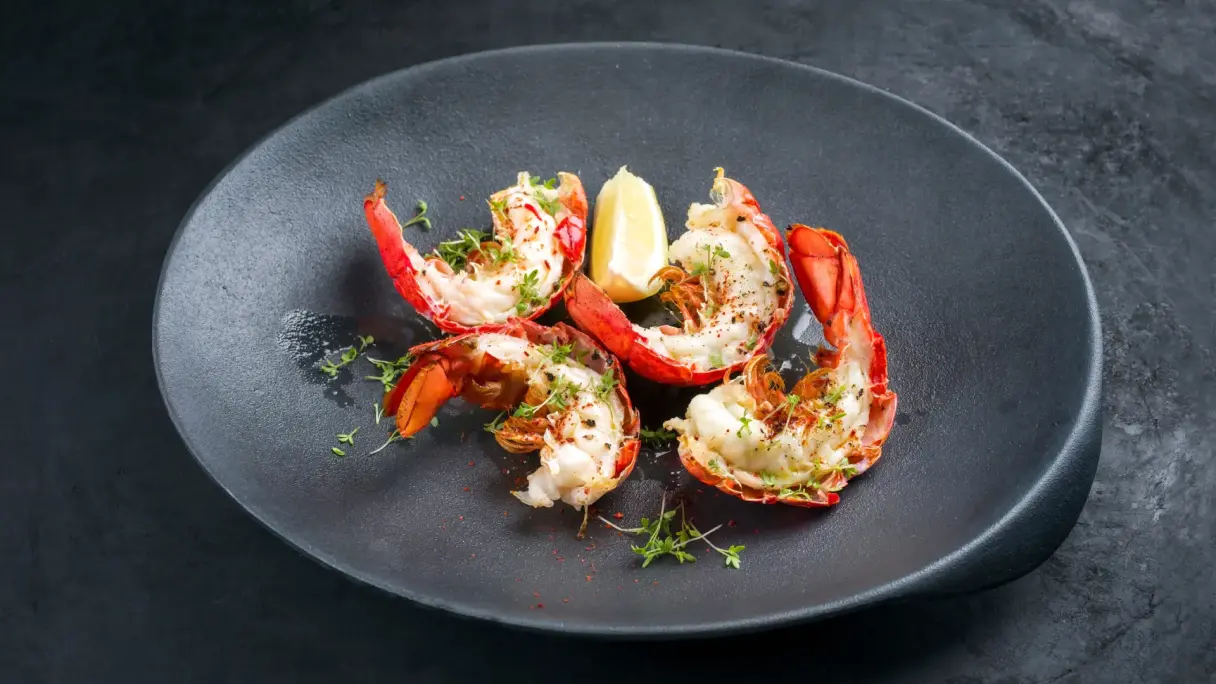
It is obvious that we cannot consume the outer protective shell of shellfish. This consists of chitin which is a carbohydrate compound we are not able to digest. In order to get to the tasty flesh, the crustacea therefore need to be removed. Larger shellfish such as lobsters are placed into boiling water. This causes the flesh to come away from the shell. The small North Sea shrimps are cooked directly on board the fishing boat. This is primarily for hygiene reasons. The animals are, after all, caught close to the discharge areas of major rivers where, as you would expect, pollution and germs are widespread. Boiling the North Sea shrimps renders the germs harmless and prevents the shrimps from deteriorating.
In principle, the following rules apply when preparing: do not cook for too long otherwise the shrimps etc. will become dry and tasteless. Do not overload your shellfish dish with too many ingredients otherwise these will become the focus of the meal. A simple lemon dressing or home-made mayonnaise would be a particularly tasty accompaniment. Appropriate herbs to use with shellfish dishes include parsley, taragon, chervil or chives. Fans of Asian cuisine should enhance shellfish with ginger, chilli, sesame, soya sauce or fish sauce.
The refrigeration technologies from Liebherr extend the shelf life of sensitive foods, such as fish and seafood. The BioFresh Fish & Seafood safe is particularly effective: shrimps and prawns stay fresh for only one day in a normal refrigerator compartment at 7 °C, whereas in the Fish & Seafood safe, at a temperature of -2 °C and low humidity, their shelf life is extended by up to 4 days.
*All specifications given are to be considered as guideline values, and depend in each case on the type of foodstuffs and on the proper storage without interruption of the cold chain from harvest/production through to the Liebherr appliance. Should food products have information about minimum shelf life, the date on the packaging always applies.