Radish: calories, nutrients and vitamins of the vegetable
The radish is a versatile, low-calorie crop that originally comes from the Middle East. This pungent vegetable provides a variety of nutrients. Its health-promoting mustard oils, which have antibacterial and digestive properties, are particularly impressive. Learn more about the different varieties, their nutrients and how to store radishes optimally to preserve their freshness and benefits in this article.
Storage time*
| BioFresh Fruit & Vegetable safe just above 0 °C with high humidity | 10 days |
| EasyFresh safe 7 °C with air regulation plate | 3 days |
| Refrigerator compartment 7 °C | 2 days |
| Freezer compartment -18 °C | not recommended |
The key points
- Low in calories and light: the white summer radish contains only about 15 kcal per 100 g.
- Nutritional diversity: radishes provide vitamin C, potassium, folic acid, fiber and secondary plant substances.
- Healthy: the mustard oils it contains have antibacterial, digestive and expectorant properties.
- Valued in folk medicine: radish is traditionally used as a home remedy for coughs, gallbladder problems and rheumatism.
Radish – list of contents
Radishes: the nutrients in different varieties
The radish is a very old cultivated plant with origins in the Middle East. This is where most radishes are still consumed today.
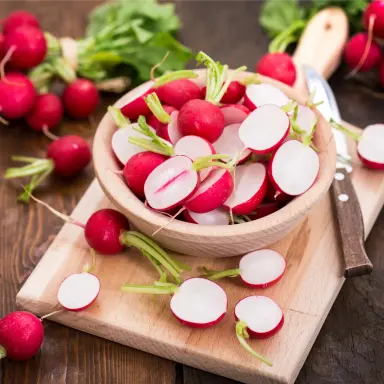
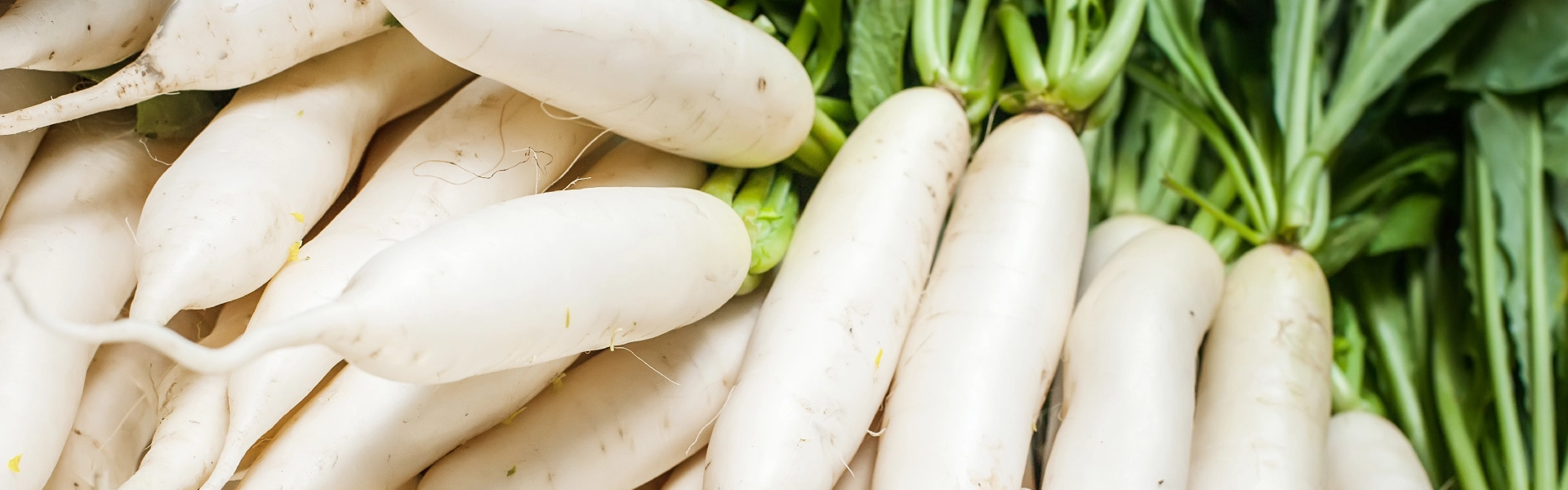
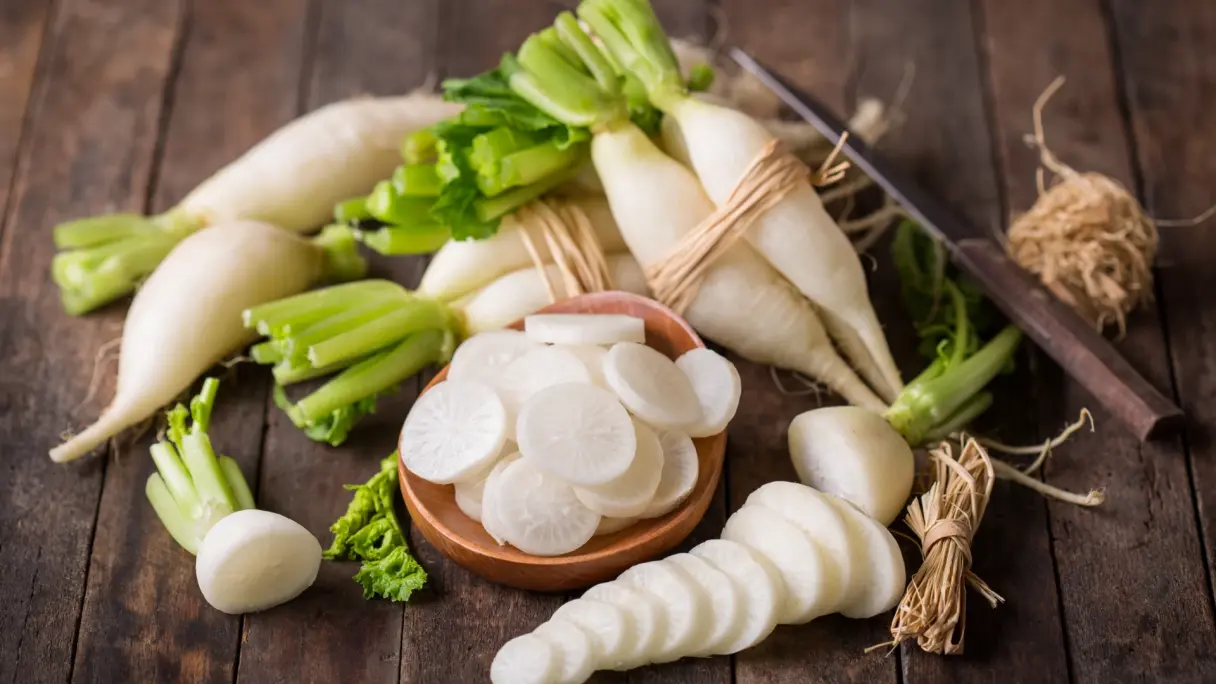
The shapes of the vegetable couldn’t be more different. It’s probably most well known in its white and elongated form. But there are many more different varieties, shapes and colors, such as the Asian daikon which is the largest type of white radish with a length of up to 50 cm. Particularly extravagant looking are the red radishes which stand out with their vibrant skin. There are even varieties with a deep black, corky skin among the wide range of radishes available. The black radish is usually hotter and spicier, and has a thicker skin than its white relatives. All of these different varieties have one thing in common: The flesh is always white, no matter what color is on the outside.
The nutritional values of the different radish varieties also differ. White summer radishes, for example, contain only around 15 kilocaloriesper 100 grams, making them a real lightweight – ideal for a low-calorie diet. They provide lots of vitamin C and stimulate digestion thanks to their mustard oils. Black radishes, on the other hand, contain particularly high levels of these pungent mustard oils, which are said to give radishes antibacterial properties – ideal for the cold season. Japanese daikon radishes, in contrast, have a milder flavor but are also rich in potassium, folic acid and fiber. Red radishes, which stand out because of their bright color, contain many secondary plant substances that can have an antioxidant effect. All varieties have a high water content, which ensures freshness and aids physical well-being.
How healthy is radish?
The pungency of radishes comes from mustard oil glycosides, which are thought to have a beneficial effect on health. The pungent taste can be mitigated by combining it with fat, starch and protein. And while we’re on the subject of hot: despite its name, the horseradish is only a distant relative of the radish. But how healthy is radish, with its few calories?
For as long as anyone can remember, a positive, healing effect has always been attributed to the radish. It’s supposed to stimulate the appetite and promote digestive fluid secretion. The vegetable is recommended in folk medicinefor liver and gallbladder disorders, gout and rheumatoid arthritis, as well as for persistent coughs and hoarseness. An old and proven home remedy is home-made cough syrup made of radish, sugar and honey. Its effect can also be attributed to hot mustard oils which have spasmolytic and mucolytic agents.
Storage also plays an important role when incorporating radishes, with their few calories and valuable nutrients, into your diet. You can easily store radishes in a refrigerator for two days. In the BioFresh Fruit & Vegetable safe of a Liebherr appliance, radishes can keep for up to ten days. The high humidity and a temperature of just above 0 °C that prevail there ensure that vegetables and fruit remain crisp and fresh.
*All specifications given are to be considered as guideline values, and depend in each case on the type of foodstuffs and on the proper storage without interruption of the cold chain from harvest/production through to the Liebherr appliance. Should food products have information about minimum shelf life, the date on the packaging always applies.