Papaya: the tropical fruit for your health
Papaya is very popular with its mildly sweet flavor but also has a lot more to offer. This tropical fruit is packed with nutrients and has many health benefits. The large fruit has earned a reputation as a superfood due to its high levels of vitamin C and relatively low calorie content. This is another reason to take a closer look at the papaya.
Storage time*
| EasyFresh safe 7 °C with air regulation plate | 10 days |
| Refrigerator compartment 7 °C | 8 days |
| Freezer compartment -18 °C | 12 months |
The key points
- Papaya originally comes from Bolivia and southern Mexico.
- The fruit is harvested unripe and ripens during transport.
- Ripe papayas have a green-yellow to yellow-orange skin with no green spots.
- Papaya contains lots of vitamin C, is low in calories and gentle on the stomach.
- It strengthens the immune system and aids digestion.
- Store papayas at around 8 °C; they should not be stored below 7 °C to avoid cold damage.
Papaya: origin and cultivation
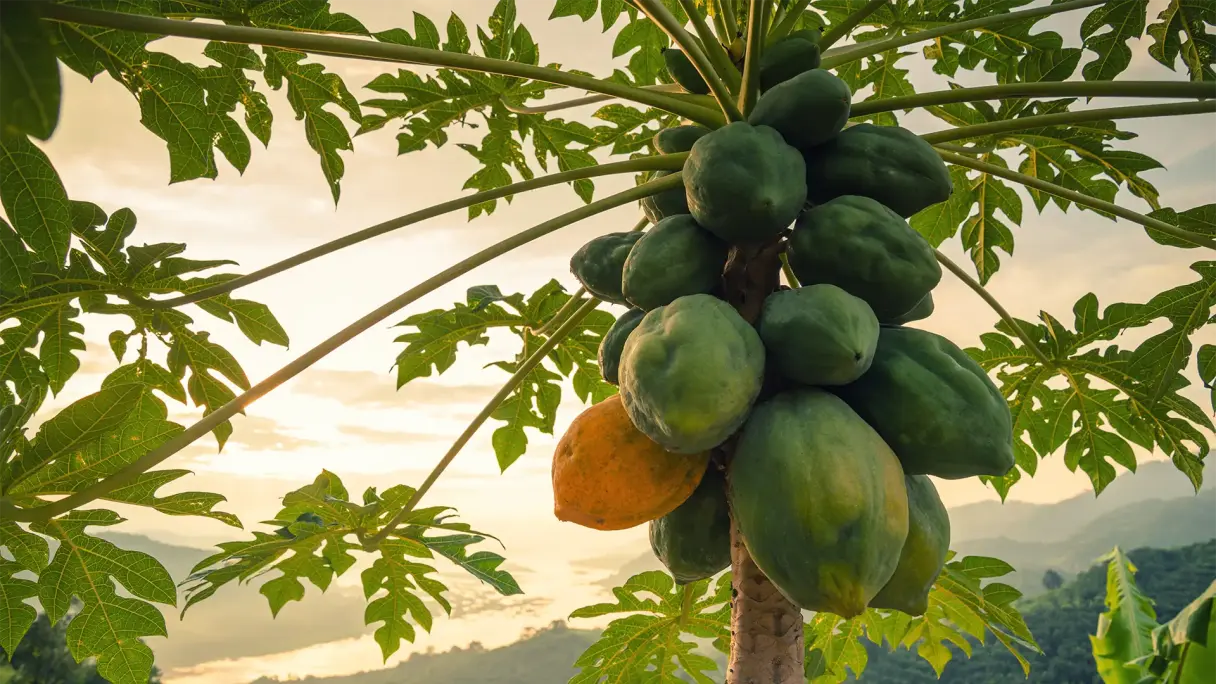
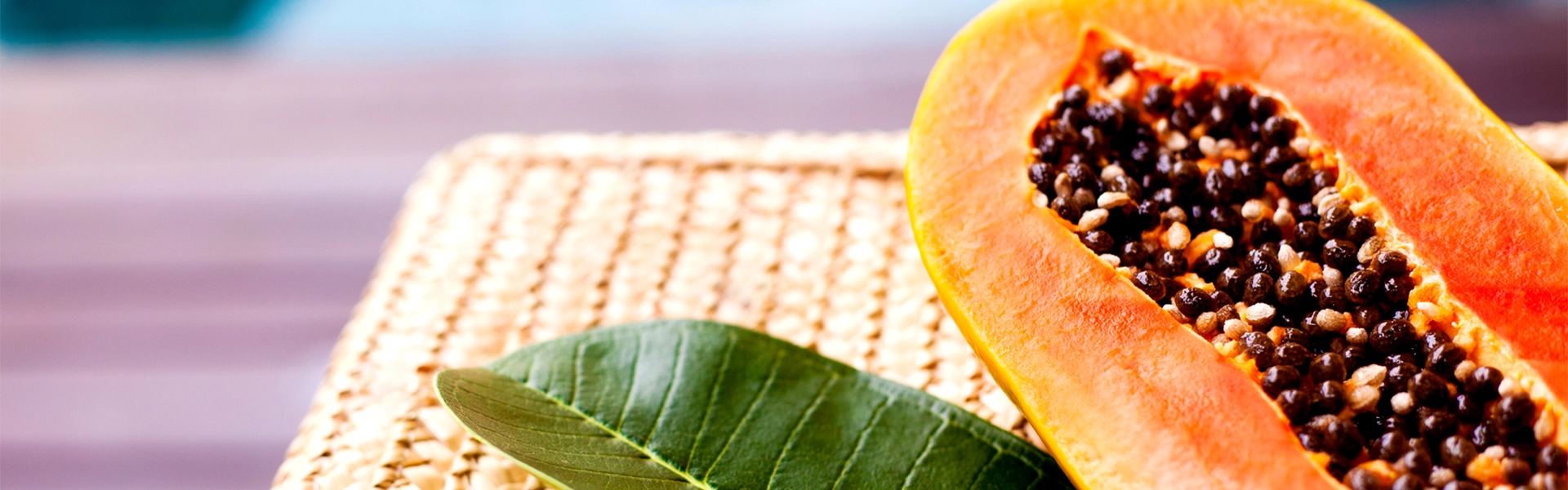
Papaya (Carica papaya) originally comes from Bolivia and southern Mexico. The indigenous people in these areas used the papaya including its seeds and leaves as a medicine. Today, it is cultivated in many tropical and subtropical regions, with India and Brazil being the largest producers. The plant belongs to the Caricaceae family and is often referred to as a tree melon. Papayas are harvested unripe and ripen during transport. This means that even in supermarkets you will often find fruit that is not yet fully ripe, which can then continue to ripen at room temperature. When purchasing, look for green-yellow to yellow-orange skin without green spots to ensure that the fruit is ripe. When papayas are very ripe, their skin is very sensitive. When you press on it with your finger, the skin should give very slightly. Incidentally, if the papaya has brown spots, this is not at all an indication of poor quality. On the contrary, the spots are absolutely what you are looking for when the papaya is ripe.
Papaya: nutrient-rich fruit with edible seeds
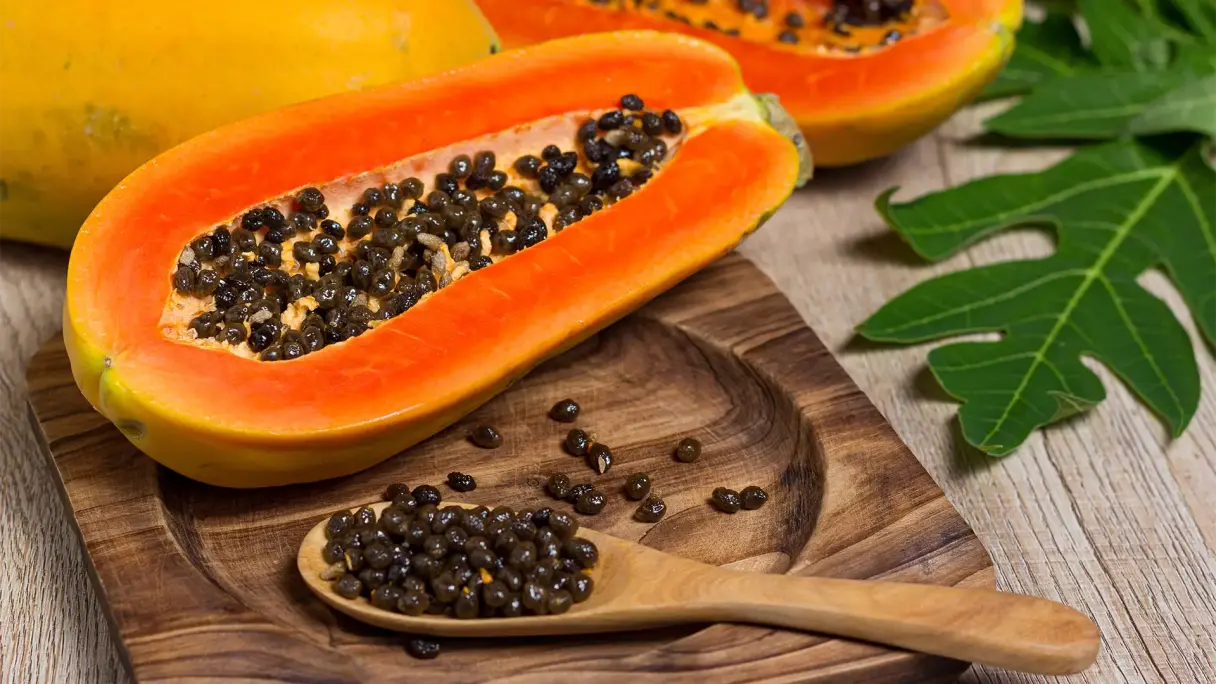
Not only can its tender, mild flesh sweeten your day, the nutrients it contains are also remarkable. Papaya contains over 80 mg of vitamin C per 100 g, making it an excellent source of this important vitamin. It has a high water content and is low in calories. It is also rich in β-carotene, which is converted into vitamin A in the body, and magnesium, which is important for many bodily functions.
Another remarkable feature of the milky sap of papaya is the protein-splitting enzyme papain, which aids digestion and tenderises tough meat. You can try this yourself by marinating your meat in papaya purée or papaya juice before cooking it as usual.
The seeds are also edible and contain valuable nutrients, even though they are usually not eaten. The mustard oil glycosides they contain give them a slightly spicy taste, reminiscent of pepper and nasturtium. The only part of the fruit which is not suitable for eating is the skin of the papaya. This is inedible.
Papaya and its health benefits
Its high vitamin C content can strengthen the immune system and protect against illness. The enzyme papain makes it easier to digest protein and can help with digestive issues. Papaya also has anti-inflammatory properties. In tropical regions, the seeds are traditionally used to combat intestinal parasites. In addition, papaya is very gentle on the stomach because of its low fruit acid content, which makes it an ideal fruit for sensitive stomachs.
Eating papaya: from green papaya to ripe fruit
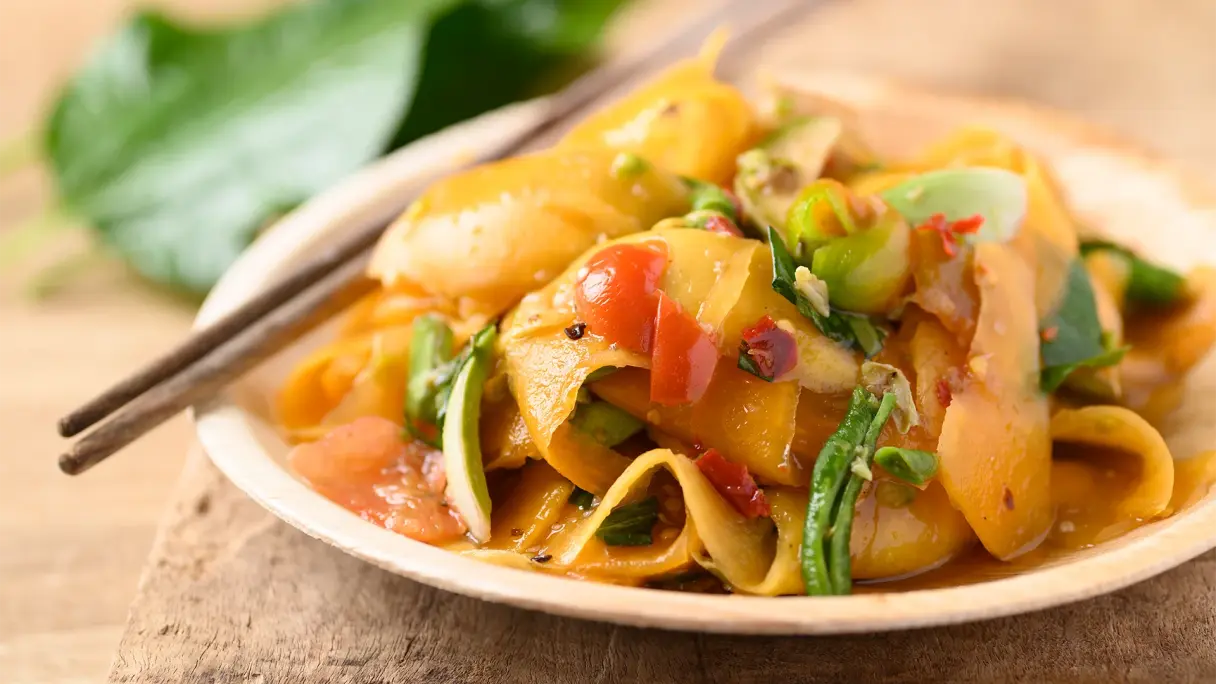
It is not only ripe papayas that can be used in the kitchen; the unripe fruit, known as green papaya, can also grace our plates. This is ideal as a vegetable substitute in curries and chutneys or in salads. Ripe papayas can be enjoyed on their own or with a dash of lemon or lime juice. They are ideal for fruit salads, smoothies and desserts.
Within industry, papaya is frequently turned into juice or canned. However, the enzyme papain makes papaya less suitable for making dishes that require gelatinisation.
Storing and ripening papaya correctly
The large fruit are best stored at around 8 °C, at which temperature they can be kept for almost two weeks when ripe. However, you should not store the fruit below 7 °C, as this may lead to cold damage. The flesh of the papaya is ideal for freezing in the freezer, although the texture is softer after defrosting.
If your papaya is not yet fully ripe, allow it to ripen at room temperature until it becomes soft and yellow. The fruit is climacteric, which means it continues to ripen after being harvested.
*All specifications given are to be considered as guideline values, and depend in each case on the type of foodstuffs and on the proper storage without interruption of the cold chain from harvest/production through to the Liebherr appliance. Should food products have information about minimum shelf life, the date on the packaging always applies.