Millet: nutritional values and vitamins of the filling grain
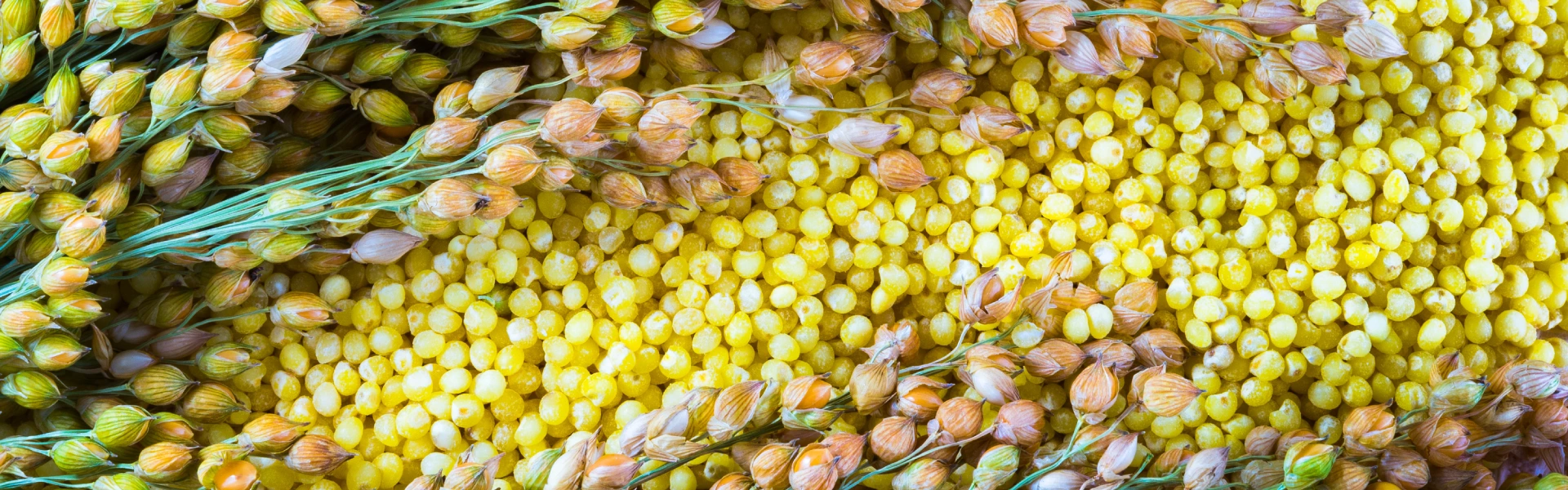
‘Millet’ is the generic term for almost a dozen different plant genera, which in turn are subdivided into many species. Sorghum millet is one of the five most important grains in the world due to its nutritional value. How valuable are the nutrients in millet for nutrition? We’ll tell you how healthy millet can be and what the grain’s nutritional values are.
The key points
- Diverse traditional grains: millet is one of the oldest grains, is adapted to extreme conditions, and is now experiencing a comeback as a versatile, sustainable food source.
- Rich in nutrients: millet is gluten-free and contains a lot of iron – however, phytic acid inhibits the absorption of some minerals, which can be improved by combining it with foods rich in vitamin C.
- Versatile application: millet is suitable as a side dish, in salads, casseroles or as semolina porridge – but is only useful in baking when mixed with gluten-containing flour.
- Particularly valuable for plant-based nutrition: millet is an interesting source of iron, especially for vegetarians and vegans, if a clever combination of nutrients is taken into account.
The traditional grain millet with valuable nutritional values
In the past, millet was often a lifeline in times of need: the sweet grass grows against all the odds where drought prevails and where the soil is not very fertile. Despite being described as ‘poor man’s bread’, it can be used for some tasty and interesting dishes.
Common millet has always been grown in Germany. In the Middle Ages, for example, it was still one of the most important grain varieties. Its importance then began to fade – wheat and rye were often grown in its place and the increased importing of rice and the more popular potato also ousted it from its position.
Today, millet, with its excellent nutritional values, is experiencing a real comeback: in Europe, people are increasingly dabbling in growing millet as interest in ancient grain varieties steadily grows again. In addition, more and more people are rediscovering its mild, nutty flavor – whether as a side dish, in salads, casseroles, or in semolina porridge, which you can also enjoy cold from your refrigerator. In addition to human nutrition, millet and its nutrients are also being discussed as a supplier of biomass and animal feed, making it a versatile plant of the future.
How healthy is millet?
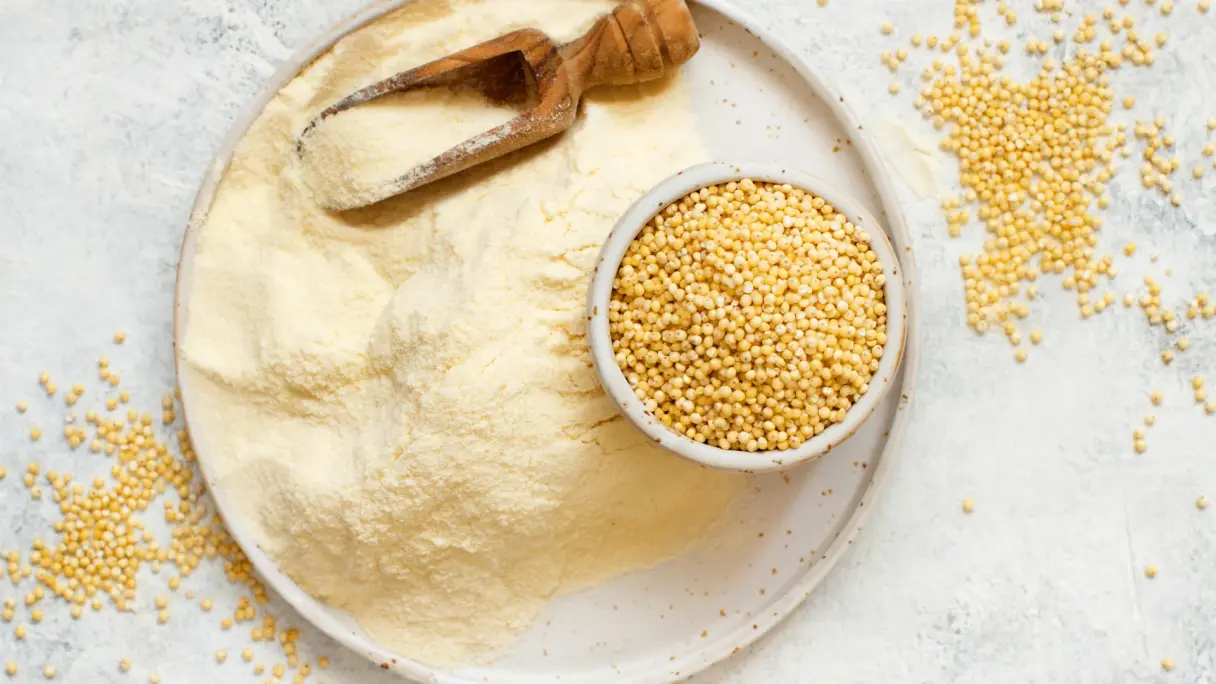
Here’s some quick product information about millet and its nutrients to start with: millet – like cereals in general – is processed in different ways. The husks (the shell which encloses kernels) are removed allowing the small grains to be processed further. You’ll often find them commercially available – as whole grains. However, the grains can also be further processed into grist, semolina, groats, flakes or flour.
Millet is a gluten-free grain that is rich in iron – around seven milligrams per 100 grams, significantly more than wheat. However, phytic acid, which is found in cereals, legumes and oilseeds, makes it difficult to absorb iron, zinc, calcium and magnesium. Eating vitamin C-rich foods such as peppers, spinach or citrus fruits with millet dishes can significantly improve iron absorption in the body. However, millet flour has disadvantages when baking because it does not contain gluten and doughs do not rise. A mixture with gluten-containing flour such as wheat provides relief and improves the baking properties.
Those who eat a varied diet instead of ready-made meals from the freezer and combine plant-based sources of iron with beneficial nutrients can benefit from millet and its nutritional values. Especially in vegetarian or vegan diets, it’s worth paying attention to such combinations in order to increase the proportion of iron in the diet and to optimize overall nutrient absorption. In addition, millet offers valuable nutrients and should, if possible, be integrated into a balanced diet.