
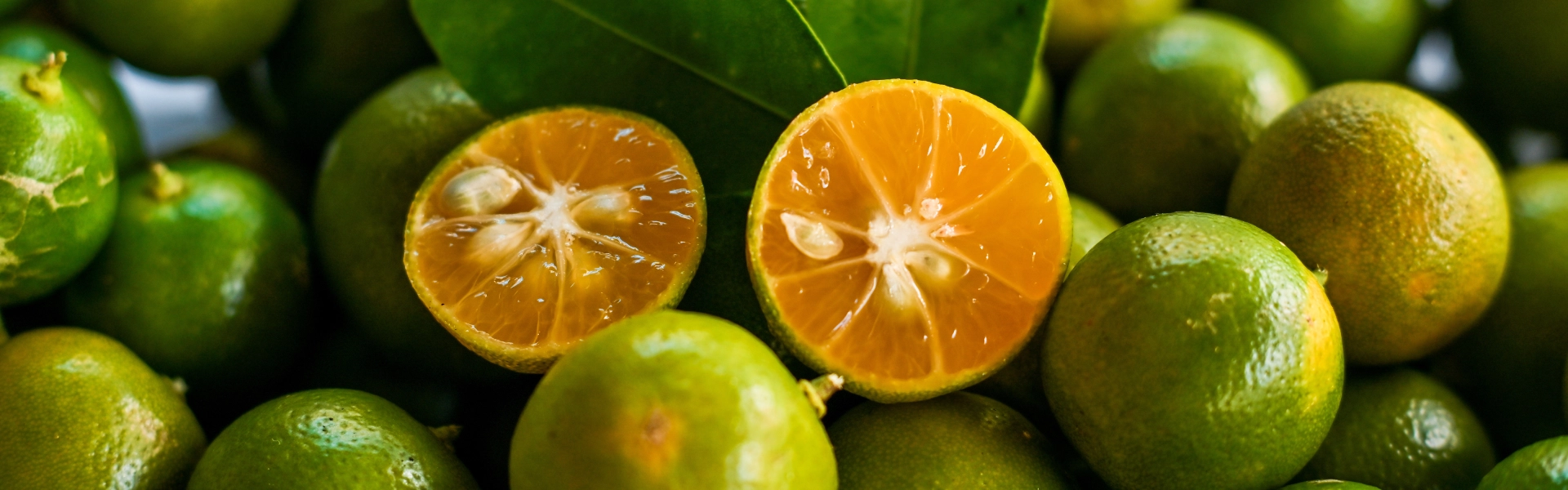
Calamansi – what’s behind this tropical fruit?
The small tropical citrus fruit is fascinating not just because of its unique taste, but also because of the versatile ways in which it can be used. This article will tell you everything you need to know about the origin, characteristic features and nutritional added value of calamansi. In addition, we’ll give you some practical tips on the best way to store it. Discover how calamansi can really enrich your cuisine.
The key points
- The calamansi belongs to the family of citrus fruits and is a cross between the mandarin and the oval kumquat.
- Calamansi are a great source of vitamin C and also provide you with phosphorus, calcium and iron.
- When they are ripe, calamansi are orange, lemons are yellow and limes are green.
- Lemons and limes are sour, while calamansi also have a hint of sweetness.
- Citrus fruits should be stored not in the refrigerator, but rather in the open air in a cool, dark room. If they are stored correctly, they will keep for around four to eight weeks.
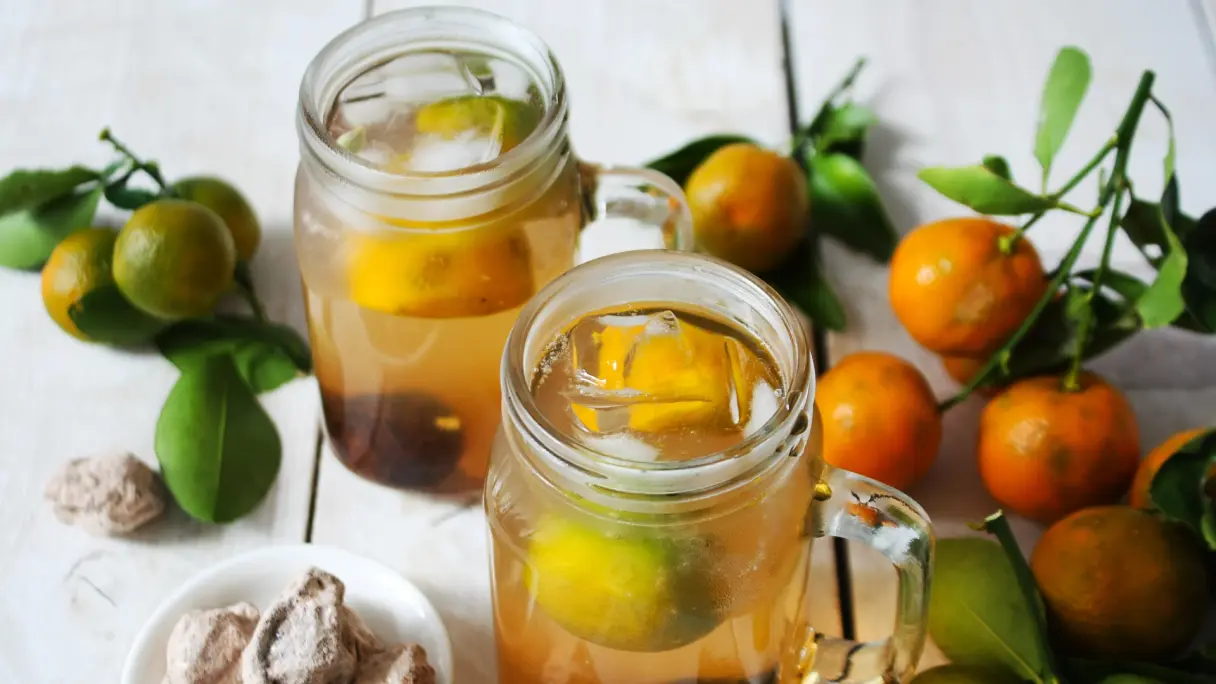
- In the Philippines, the juice of the fruit is drunk with water, ice and sugar or used for seasoning.
Calamansi – features, origin and appearance
The calamansi belongs to the family of citrus fruits. It originates from Asia and is now grown mainly in the Philippines. This is also where the name calamansi comes from.
The fruit is a cross between the mandarin and the oval kumquat. It has a diameter of just 2 to 3 cm. Calamansi are harvested unripe and are reminiscent of small limes because of their green peel. They can be eaten as they are, but become less acidic as they ripen. In their unripe condition, they’re squeezed in the Philippines and the juice that is produced is drunk with water, ice and sugar.
As the calamansi continues to ripen, its peel turns orange. Its taste changes and tends to get sweeter. The peel can also be eaten, however ripe the fruit is. The peel is sweeter than the fruit itself, but there’s also a bitter hint to the flavor.
Calamansi are a particularly good source of vitamin C and also provide you with phosphorus, calcium and iron.
Besides producing juice, the fruit is also used in the Philippines primarily for seasoning. The calamansi are used for marinading meat and fish or as an ingredient in stir-fry dishes or dips. It’s often chopped in half and served with a meal so that you can add as much as you want for seasoning.
Comparison of calamansi, limes and lemons
| Calamansi | Limes | Lemons | |
|---|---|---|---|
| Color of the unripe fruit | green | green | green |
| Color of the ripe fruit | orange | green | yellow |
| Size | 2–3 cm | approx. 5 cm | up to 10 cm |
| Nutrients | rich in vitamin C, phosphorus, calcium and iron | rich in vitamin C, magnesium and potassium | rich in vitamin C, calcium, vitamin E and folic acid |
| Taste | sweet and sour | very sour | sour |
Calamansi as a natural all-rounder?
In the Philippines, calamansi is considered to be a remedy that will prevent many diseases. Its high vitamin C content can have a positive effect on the immune system. However, one particularly beneficial effect of the fruit hasn’t been scientifically proven.
Excessive consumption can lead to heartburn, diarrhoea or cramps. If you have a delicate digestive system, you should only consume the fruit in moderation.
The juice can be used as a natural exfoliant. But if you have sensitive skin, you should avoid it because of the acid.
Storing calamansi correctly
The optimum storage temperature varies among different types of citrus fruit. But the rule for all of them is that storage in the refrigerator will tend to lead to damage caused by the cold. The fruit should instead be stored in the open air in a cool, dark room.
If the fruit is stored in an air-permeable sieve, this can prevent mould from growing because good ventilation is guaranteed. It’s better to store the fruit next to each other rather than piled on top of each other to avoid any pressure points and mould growth. If citrus fruits are stored correctly at just below room temperature, they will keep for around four to eight weeks.
This might also interest you
Sea buckthorn – the lemon of the north
What is sea buckthorn? What does the sea buckthorn berry taste like? Read on to find out what the berry can be used for and which products are made from sea buckthorn.
Strengthening your immune system – 10 foods to improve your health
Can you strengthen your immune system by improving your diet? You sure can – and these 10 foods can help you. Read on to find out.

Storing bananas correctly – in the refrigerator?
How should bananas be stored and kept? Does it make sense to store bananas in the refrigerator? Read on to find out.