Almonds and nutritional values – these little powerhouses are so good for you
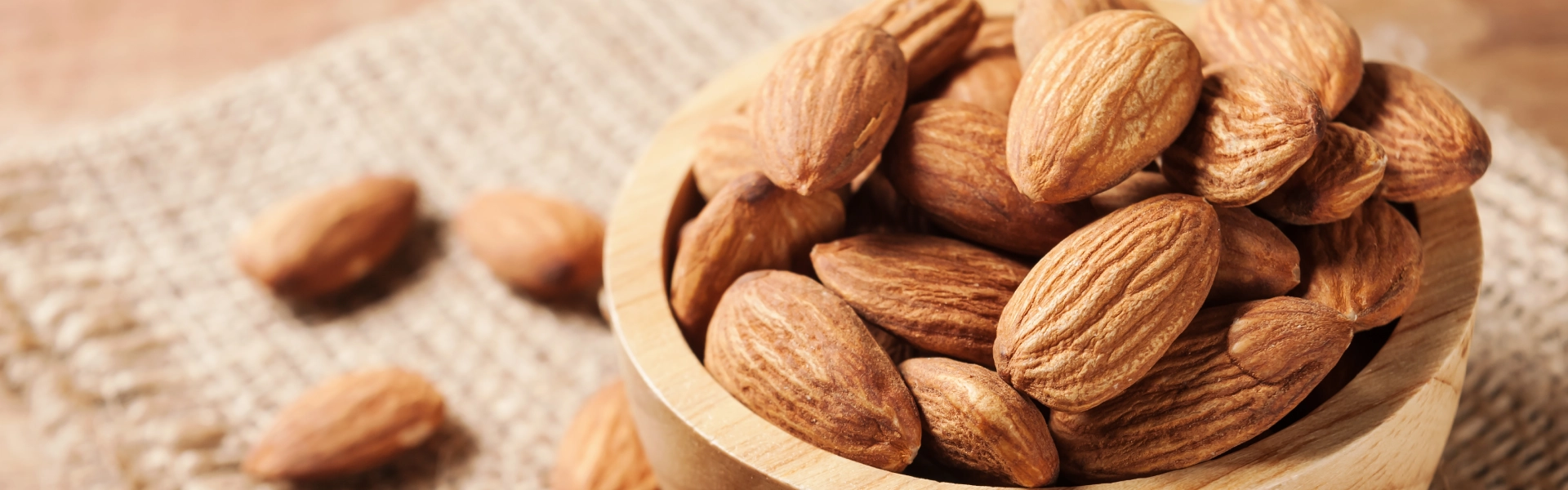
Almonds, with all their nutritional benefits, are definitely one of the favorites in the ever-popular trail mix. Probably because of their mild, sweet taste. But almonds also fill other places on our supermarket shelves, for example in the form of almond butter, almond milk and as an ingredient in many cosmetic products. But why are almonds so popular? Why do some almonds taste bitter? And what other superpowers does this fruit have? Let’s take a look at the nutritional values.
The key points
- Almonds provide lots of protein, healthy fats, fiber and minerals such as magnesium and calcium.
- Bitter almonds contain toxic hydrocyanic acid – only consume them once they have been processed!
- Whether raw, as marzipan, almond butter or plant-based milk, almonds are extremely versatile.
- Almond cultivation in California is water-intensive – therefore, consume consciously.
Almonds: what are the nutritional values and what do they taste like?
Maybe this has happened to you before: when nibbling almonds you suddenly notice a bitter taste – not as sweet as you are used to from the stone fruit. Why is that? It is worth taking a look at the different types of almonds: sweet almonds (healthy) and bitter almonds (poisonous when raw). Sweet almonds, as their name suggests, have sweet-tasting fruits and are mainly sold as shelled almonds. They also include soft-shelled almonds, which taste similarly sweet but have a more brittle shell.
The bitter almond tastes completely different. These almonds cannot be eaten raw. Instead, they are used in oil production or as a flavoring ingredient. The characteristic bitter substance is the glycoside amygdalin. This breaks down into hydrocyanic acid and bitter almond oil when mixed with water. But watch out, this is where things get serious: hydrocyanic acid is toxic. Just five to ten bitter almonds can prove fatal for children. For adults, it’s about 60 almonds. Due to the intensely bitter taste, however, poisoning is extremely unlikely. During cooking and baking, the dangerous hydrocyanic acid evaporates and the bitter almond oil gives off its characteristic taste. But take note: dry heating, as is the method employed for the more popular roasted almonds, is not sufficient for evaporating the hydrocyanic acid.
But then how can a bitter almond get into a pack of almonds, you may ask? The trees of the bitter and sweet almond look basically identical. There are even trees which grow both bitter and sweet almonds in equal measure.
The increasing popularity of this small fruit definitely has something to do with its nutritious ingredients. A reason to take a closer look at the nutritional value of almonds. An important feature: almonds are high in calories because half of their content is fat (53 percent). Other important ingredients include protein, which accounts for 24 g per 100 g of almonds, and a high proportion of fiber. Almonds also have a higher calcium, potassium and magnesium content than their cousins: nuts. Because of the very high fat content, excessive consumption of this sweet stone fruit should be avoided, despite its many positive ingredients.
How are almonds, with all their nutritional value, used today?
The quantity of almonds harvested has risen continuously in recent years. The vast majority of almond production is used in baked goods and confectionery, such as marzipan, nougat and torron (a type of white nougat), which is best stored in the refrigerator. Not only do these brown stone fruits shine in marzipan – almonds can also be enjoyed raw, roasted, salted or sugared.
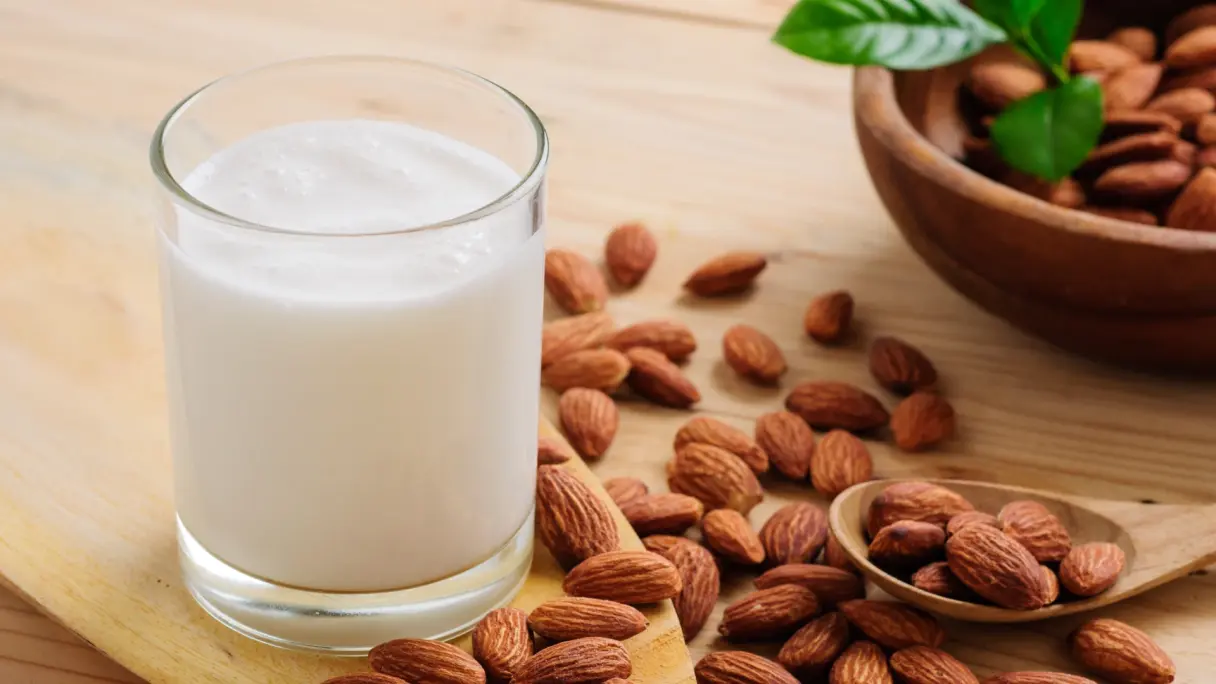
However, more and more processed products containing almonds are appearing on the market. For example, almond yoghurt, almond butter or almond milk. Almond milk is made from sweet, crushed almonds soaked in water. After mixing and straining, the nutty milk substitute can already be drunk. The advantage of all these almond products is that they are purely plant-based and can replace animal products. But particular attention must be paid here: For consumers, it is often unclear where the almonds in these products come from. Almond production in the USAin particular must be viewed very critically, as the areas cultivated for almond production in the drought-stricken state of California require a lot of water. Similar conditions also prevail in Spain. Unfortunately, there is only one shopping tip that can be given to protect the environment: consume these tasty stone fruits in moderation.
*All specifications given are to be considered as guideline values, and depend in each case on the type of food and on the proper storage without interruption of the cold chain from harvest/production through to the Liebherr appliance. Should food products have information about minimum shelf life, the date on the packaging always applies.