
Storing wine
Our wine storage guide for perfect wine enjoyment presents key factors that are important when it comes to wine storage. It’s about more than just the right temperature – humidity, light protection and peace and quiet are also important. The article provides in-depth insights into the basics of wine storage and shows how targeted control of storage conditions can create an ideal environment. This not only keeps your favourite wine drinkable for longer, but also allows it to develop its full aroma at the right time.
The key points
- A constant temperature is crucial: wine should ideally be stored at 10–12 °C.
- Keep an eye on the humidity: a relative humidity of between 50 and 80% protects the cork from drying out, prevents mould growth and preserves the quality of the wine.
- Avoid light and odours: wine loves darkness and odourless environments.
- Limit noise: vibrations accelerate the maturation process of wine.
- Wine fridge as the ideal solution: modern wine fridges offer controlled temperature zones, humidity and protection from light and odours.
- Storage life depends on the type of wine: red wine with high tannin and acidity levels can mature for decades, while white and rosé wines should usually be enjoyed within a few years.
Storing wine – list of contents
- What is the optimal temperature for storing wine?
- Storing and tempering wine
- Humidity: a key factor for wine storage
- Store wine in an odour-free environment to protect its aroma
- Store wine in a dark place away from light
- Store wine so that it remains stationary
- Maturation period of over 5 years: Storing high-quality wine
- How long can wine be stored?
- How do the different types of wine differ in terms of their shelf life?
- Storing opened wine bottles
- Should wine bottles be stored lying down or standing up?
- Storing wine at home: how to create the ideal conditions
- What should you bear in mind when storing wine in the fridge?
- This might also interest you
What is the optimal temperature for storing wine?
The optimum temperature for storing wine is between 10 and 12 °C. It is very important that the temperature is stable. Between 10 and 12 °C, the complex chemical maturation process of the wine proceeds slowly and evenly. This allows the characteristic aromas of a wine to develop optimally during storage.
The higher the temperature at which a wine is stored, the greater the risk that it will age prematurely and lose quality. If wine is stored at too high a temperature, it ages faster because, according to Van't Hoff’s rule, chemical reactions proceed twice to four times faster with every 10 °C increase in temperature. This causes wine to lose its quality more quickly.
Scientifically tested: the ideal storage temperature for wine
In an interesting experiment, the Norwegian Food Research Institute investigated how different storage temperatures affect the taste of wine. Several bottles of Chilean Cabernet Sauvignon were stored at four different temperatures. At 5 °C, 10 °C, 23 °C and 31 °C.
The wine was tasted by experts at regular intervals, revealing that:
- after 6 weeks of storage, hardly any difference at all was noticed.
- After 6 months of storage, however, the fruit aroma of the wine stored at 31 °C decreased dramatically. The maturation tones came to the fore.
- After 12 months the wine stored at 23 °C also showed this effect clearly. 23 °C corresponds to a normal, non-overheated room temperature.
How do temperature fluctuations affect wine storage?
Storing wine in a room where the temperature fluctuates daily has a negative effect on the wine. To avoid the negative effects of temperature fluctuations, wines should be stored at a temperature that remains as constant as possible.
Fluctuating temperatures throughout the day can lead to further changes in addition to accelerated maturation:
- Cork movement: temperature fluctuations cause the wine to expand and contract. This allows the cork to move. In the worst case, air gets into the bottle or wine leaks out.
- Oxidation: when air enters due to movement of the cork, the wine oxidises more quickly.
The outside temperature rises and falls throughout the year. This also causes the temperature in unheated rooms to rise and fall. Wine is quite insensitive to such long-term temperature fluctuations.
What happens when wine is stored at low temperatures?
Wine does not suffer when stored at low temperatures. The lower the temperature, the slower the wine ages and matures.
Nevertheless, it is advisable not to store wine at too cold a temperature, because
- it takes longer for wine stored at a cold temperature to reach drinking temperature. Therefore, you should give the wine plenty of time to warm up in a warmer environment with appropriate temperatures before drinking it.
- Storage at excessively low temperatures encourages the formation of tartar. The small crystals are salts of tartaric acid, but they have no effect on the taste of the wine.
Why shouldn’t wine be allowed to freeze?
Wine should never be stored in such cold conditions that it freezes. When wine freezes, it can have the following negative effects:
- the frozen wine expands and can blow the cork out of the bottle.
- Protein haze: the wine’s own proteins and polyphenols flocculate and cloud the wine.
- Mineral imbalance: the temperature-dependent solubility coefficient of potassium and other minerals leads to tartar deposits and acid loss.
So, always store wine above freezing point to preserve its quality and taste.
Storing and tempering wine
A wine fridge with multiple temperature zones offers optimal conditions for proper storage and perfect enjoyment. In one zone, wine can mature slowly in a constant climate – ideal for the gentle development of its aromas. In the other zones, wine can be cooled to the perfect drinking temperature. Depending on the model, up to three individually adjustable zones are available, in which temperatures between 5 and 20 °C can be selected. This is the ideal way to store and serve red, white and sparkling wines.
For those who wish to store their wine exclusively, appliances with a single temperature zone create the perfect environment for gentle maturation over a longer period of time.
Humidity: a key factor when it comes to wine storage
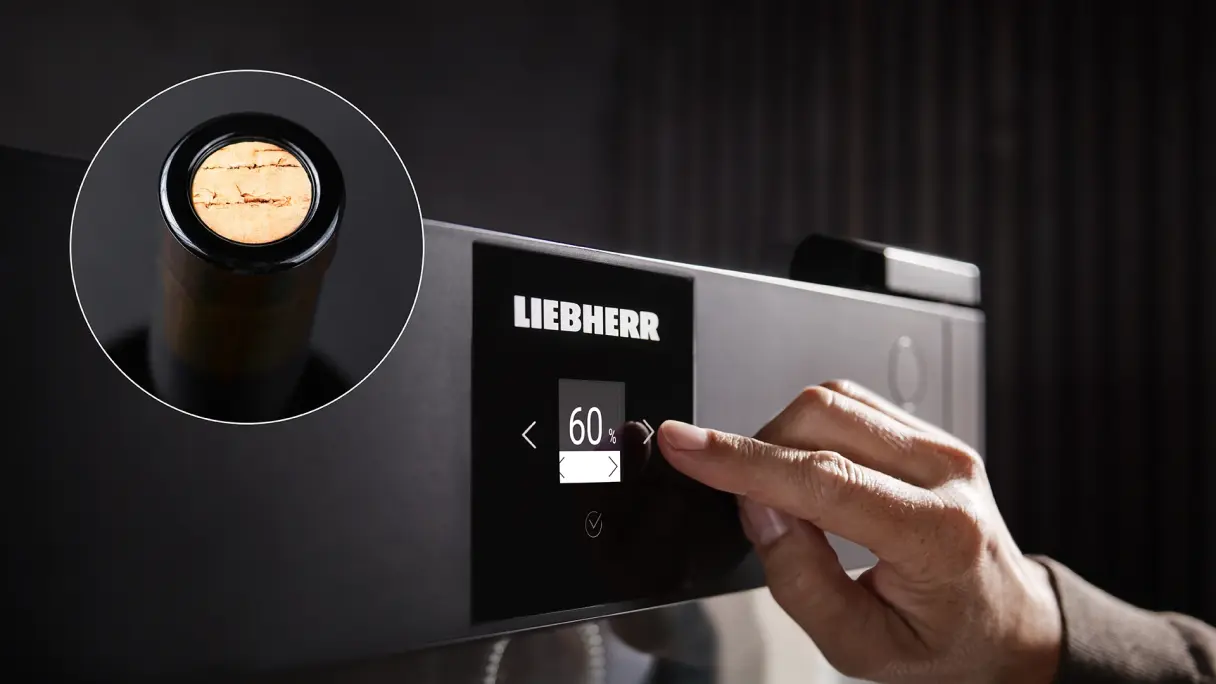
The optimum humidity for corked wine bottles is between 50 and 80%. This ensures that the cork neither gets too dry nor too moist, protecting the wine from oxygen and oxidation.
But why should the humidity not be less than 50%? An environment that is too dry carries the risk of the cork drying out and shrinking. This could allow air to enter the bottle, causing the wine to oxidise due to exposure to oxygen. The quality of the wine suffers and the wine ages prematurely.
Excessive humidity, especially above 80 percent, isn’t good for the cork either. Such damp conditions may allow mould to form on the cork, not only affecting the quality of the wine but potentially also raising health concerns. The labels also suffer from high humidity.
To avoid these extremes and create ideal humidity for stored wine, the humidity at the storage location should be measured. If adjustments are necessary, dehumidifiers can be used or water trays in the storage area can be helpful.
The humidity in Liebherr wine fridges is precisely controlled and monitored. With wine fridges featuring HumiditySelect, you can choose between standard and high humidity, while HumidityControl allows you to select a desired value between 50 and 80% humidity. If the humidity in the appliance falls below 50% due to external influences, the appliance or your SmartDevice app will alert you so that you can take immediate action.
In addition, the handmade wooden shelves in our wine fridges are made of breathable beech wood. This stores water and thus promotes a more stable climate in the wine fridge.
Store wine in an odour-free environment to protect its aroma
Wine should be stored away from foreign odours to preserve its taste and quality. If unpleasant odours enter the bottle through the cork, this can affect the wine.
The properties of natural corks are crucial for the long-term maturation of wine over many years. This ability of cork to allow a limited amount of air to pass through encourages the gradual maturation process of wine by enabling subtle oxidation. However, the permeability of the cork also makes the wine susceptible to foreign odours. Since the cork can allow air and thus potentially also odour molecules into the bottle, there is a risk that undesirable aromas will affect the wine. But food smells can be even more of a problem. Especially if the wine is stored in living areas near the kitchen.
In rooms and cellars where you store wine, the following potential sources of foreign odours should be avoided:
- Mould and moisture
- Chemicals (e.g. paints, solvents, cleaners)
- Food odours (e.g. from onions, garlic, spices)
- Plastic and rubber odours
- Tobacco smoke
- Household odours (e.g. perfumes, air fresheners, pet odours)
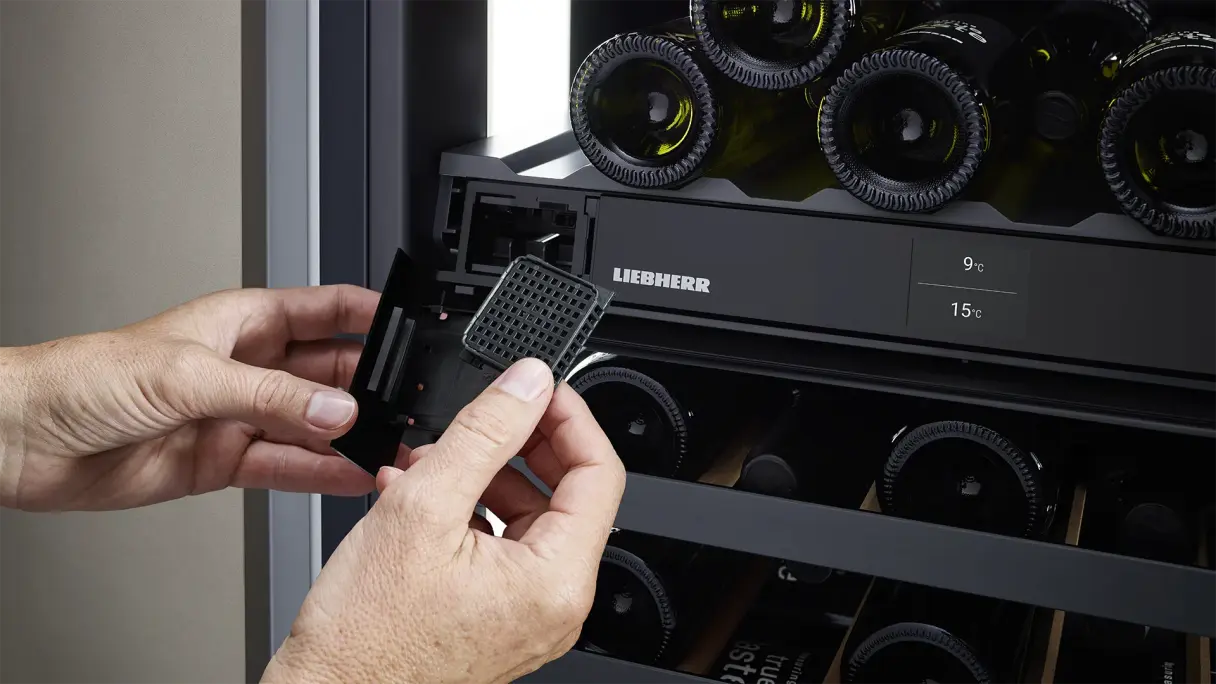
To ensure that your wine is stored with the optimum air quality, all Liebherr wine fridges have an easy-to-change FreshAir activated charcoal filter that reliably binds all kinds of odour.
Furthermore, we only use the highest-quality materials, without harmful or unpleasant smells. For example, the natural beechwood shelves, odourless paints and plastics, such as those used in our door seals, guarantee clean air for your wines.
Store wine in a dark place away from light
Light, especially the ultraviolet spectrum, is harmful to wine. UV light triggers unwanted biochemical processes that impair the aroma of wine. The French have a word for this: ‘Goût de Lumière’ – which word-for-word in English means: taste of light.
To minimise the effect of harmful ultraviolet light, the glass doors of all Liebherr wine fridges are made of special UV-resistant insulated glass. The interior is evenly illuminated with high-quality LEDs whose light spectrum does not contain any harmful UV rays. Additionally, LEDs generate very little heat, allowing wines to be illuminated for lengthy periods without their temperature being affected.
Store wine in a still, quiet place
Wine should be stored in a still, quiet place. Vibrations, like an invisible force, accelerate the biochemical reactions in wine, leading to premature maturation. Stillness is the guardian of wine. Specially developed by our engineers, extremely low-vibration compressors in Liebherr wine fridges ensure that wine is stored in a still, quiet environment. Cushioning is installed throughout the refrigeration system to dampen any harmful vibrations. This has the added bonus of making our wine fridges very quiet.
The SoftSystem soft closing mechanism ensures particularly gentle door closing and damps out any harmful vibrations.
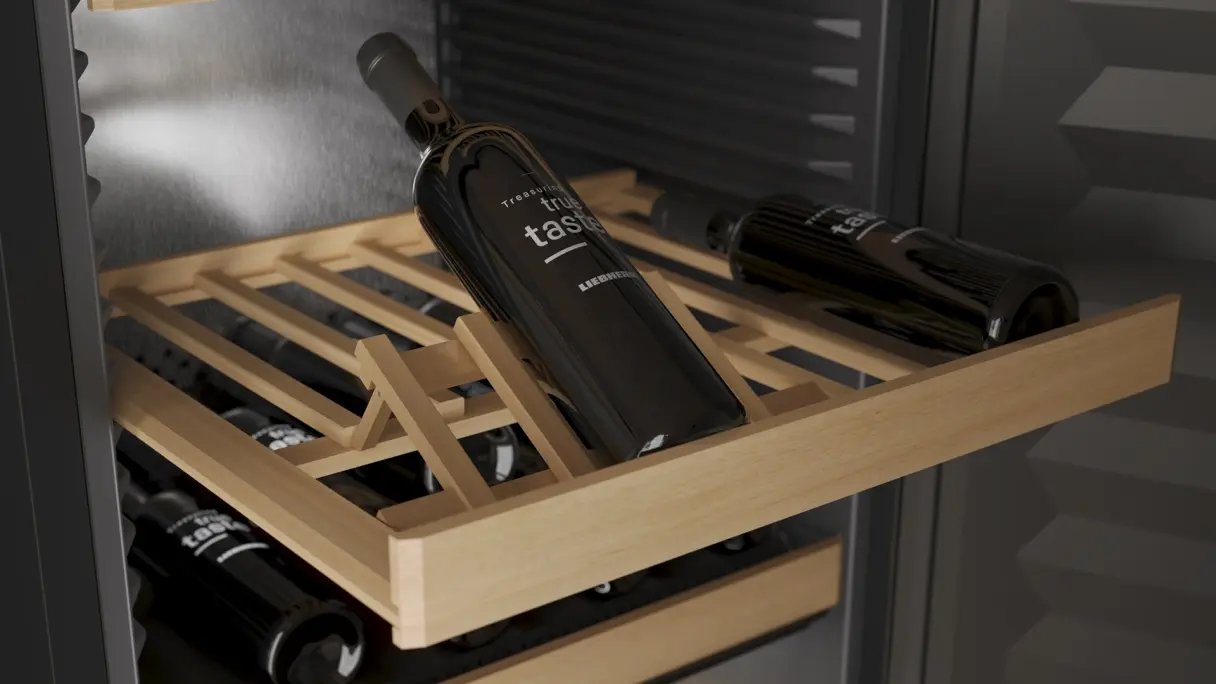
The wine can be left to mature in peace on the sturdy, handmade wooden shelves. The handmade shelves made from untreated wood are optimally designed for safe storage of Bordeaux bottles.
Maturation period of over 5 years: storing high-quality wine
The higher the quality of a wine, the more important the storage conditions become. High-quality wines, choice wines, top wines from top vintages and special quality wines must be stored carefully under ideal conditions so that they can develop their fine characteristic aromas and develop their full potential.
An underground wine cellar provides almost ideal storage conditions. By nature, the temperature is constant and the air is sufficiently humid. However, the temperature, humidity and any odours that may occur in a wine cellar should be carefully monitored and adjusted if necessary.
A high-quality wine fridge offers an efficient alternative that does not compromise when it comes to storage quality. Liebherr wine fridges ensure ideal storage conditions thanks to precise temperature and humidity control and activated charcoal filters. The SmartDevice app notifies you if storage conditions deviate due to external influences.
How long can wine be stored?
The shelf life of wine depends on many factors. Both the quality of the wine itself and the storage conditions affect how long wine can be stored.
The following characteristics and ingredients of wine determine how long a wine can be stored:
- Tannins: these tannins, which are mainly found in red wines, have a preservative effect and give the wine body. The higher the tannin content, the better the wine can generally be stored.
- Acidity: acidity also acts as a preservative and gives the wine freshness. Wines with high acidity, such as Riesling, can therefore be stored for longer.
- Extract: the extract content describes the amount of non-volatile substances in the wine, such as sugar, glycerine and colouring agents. Wines with a high extract content have a more complex aroma and are usually longer-lasting.
- Alcohol content: a high alcohol content also acts as a preservative and can improve the wine’s shelf life.
In summary, it can be said that wines with high tannin, acidity, extract and alcohol content can usually be stored for longer. For precise information, please refer to the label or consult specialist staff at your wine retailer.
How do the different types of wine differ in terms of their shelf life?
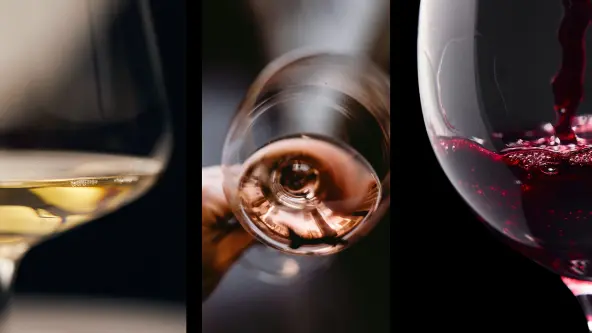
Whether full-bodied red wine, fresh white wine, elegant rosé or matured premium wine – they all share the same requirements when it comes to their storage environment. A constant temperature of 10 to 12 °C, sufficient humidity, darkness and quiet. In addition, the wine should be protected from foreign odours. Under these conditions, every wine, regardless of its variety, will mature optimally.
Storage life according to wine type
The higher its tannin, acidity, extract and alcohol content, the longer red wine can be stored. Good quality red wine can be stored for 5 to 10 years. Very high-quality red wines with an appropriate body can be stored for decades.
The more tannins, acidity, extract and alcohol there is in white wine, the longer it can be stored. Many white wines are intended for early consumption within 1 to 5 years after production. However, white wine that can be stored for longer periods can also be purchased specifically for this purpose.
Rosé wines are generally designed to be enjoyed in their youth and are characterised by their fresh, fruity aromas. Their shelf life is shorter than that of many red and white wines. Rosé wines are more similar to white wines in terms of their shelf life. Most rosé wines should be drunk within 1 to 2 years of production.
Storing opened wine bottles
The storage of opened wine bottles differs significantly from the storage of unopened wine bottles. Opened wine comes into contact with oxygen, which accelerates the maturation process. In closed wine bottles, contact with oxygen is minimal. Once opened, wine begins to oxidise, which can affect its taste and quality.
How to preserve the quality of opened wines:
- Keep the temperature as cool as possible: open wine should be stored in a cool place to slow down oxidation. This even applies to red wine.
- Seal the bottle to the air: it is important to make the seal as airtight as possible. A screw cap or a special wine stopper that creates a vacuum seal can help minimise the wine’s contact with oxygen.
The shelf life of opened wine varies depending on the type of wine:
- White and rosé wines: once opened, these wines will generally keep in the fridge for 3 to 5 days before showing noticeable changes in taste.
- Red wines: due to their higher tannin content, red wines can be stored for slightly longer; they often keep for 3 to 6 days after opening.
- Sweet wines and fortified wines: thanks to their high sugar and/or alcohol content, these can often last longer, sometimes up to several weeks after opening.
It is important to note that these figures are indicative values. How long open wine can be stored varies depending on specific conditions and the type of wine.
Should wine bottles be stored lying down or standing up?
It is often recommended to store wine bottles with natural corks lying down so that the cork remains moist and seals the bottle tightly. However, this effect has not been scientifically proven.
One advantage of lying bottles down is that significantly more bottles can be laid on top of each other, saving space when compared to standing them side by side. However, if you only store a few bottles or remove them regularly, you can also consider storing them upright.
So, depending on the space available and the storage objective, wine bottles can be stored either upright or lying down.
Storing wine at home: how to create ideal conditions
The idea of storing wine at home often conjures up images of charming, traditional wine cellars. But a wine cellar is more than just a storage place – it tells stories of special moments, journeys and encounters. The constant coolness, slight humidity and tranquillity make it the ideal place for maturing high-quality wines.
However, you can still create favourable conditions even if you don’t have a cellar: temperature, humidity, UV protection, odour neutrality and freedom from vibration are crucial. A wine rack in the kitchen or dining room is usually unsuitable, as it is difficult to maintain consistent conditions there.
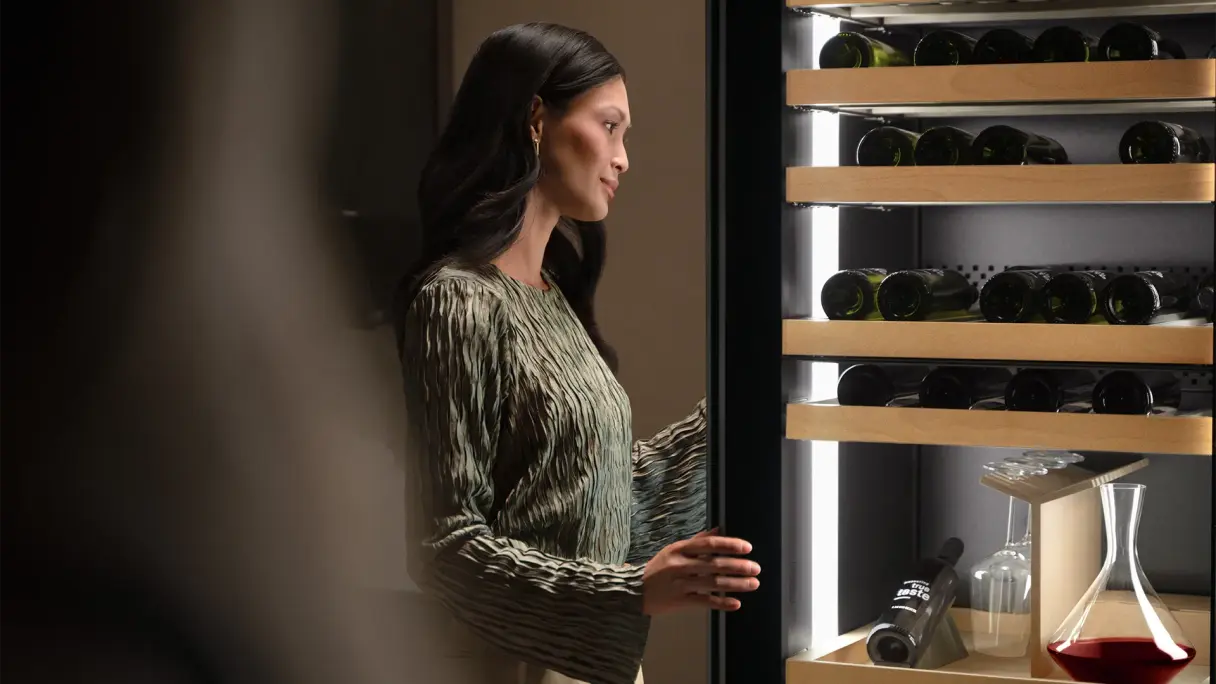
A controlled storage solution – such as a wine fridge – offers an elegant and efficient alternative for professional wine storage.
What should you bear in mind when storing wine in the fridge?
The fridge is only suitable for storing wine to a limited extent. When done in moderation and with purpose, it can make sense to store wine in the fridge for a certain period of time. For white wine, rosé and red wine. However, the fridge is not suitable for long-term storage.
For open wines, the low temperature in the fridge slows down oxidation and maturation, extending shelf life by approximately 3 to 6 days.
Fluctuating temperatures and slight vibrations – caused, for example, by opening and closing the door or by the compressor – do more harm than good to wine. Odours from food stored in the fridge can have a negative effect on the aroma of wine.
White wine and rosé can be chilled in the fridge to the ideal drinking temperature. However, the timing must be just right so that the wine does not become too cold. It is much more convenient and effective to chill white wine and rosé in a wine fridge with a single temperature zone. You can set the temperature zone to 10 °C and enjoy your white wine or rosé at the perfect temperature.


This text has been machine translated from English.