


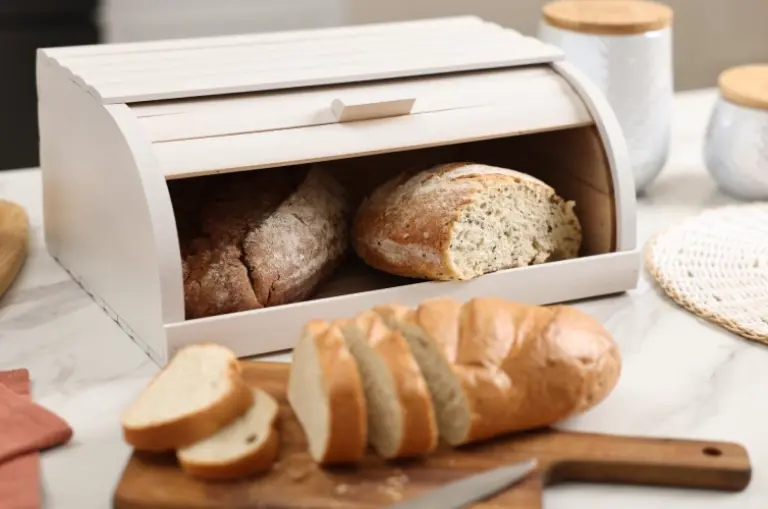
Storing bread: how to keep your bread fresh for much longer
Better in a bread bin or in the fridge? Storing bread feels like an art form in itself. Where and how you best store bread also depends on personal preferences. The most important factor is what type of bread you want to store. We reveal how and where to store your bread correctly and give you the best tips for doing so.
The key points
- The type of bread is decisive: wheat bread ages faster than rye or wholemeal bread, which affects its ideal storage life.
- Not in the fridge: bread dries out and loses its flavour in the fridge – except in very hot weather, cooling is not suitable.
- Use a bread bin or clay pot: these allow air to circulate and regulate moisture – ideal for fresh bread.
- Deep freezing for longer shelf life: frozen in slices, bread stays fresh for weeks and is quickly ready to eat again.
Storing bread – list of contents
How do you keep bread fresh for consumption?
Bread stays fresh best in a bread bin or a clay or ceramic pot with open pores. The pores regulate moisture and prevent mould. It is important that air can circulate. Wax-coated bread bags or paper bags from a bakery are also good alternatives for storing fresh bread properly.
How should you store unpackaged bread correctly?
Unpackaged bread should ideally be stored in a clean, well-ventilated container on a wooden or plastic rack – this allows air to circulate and moisture to escape. Unsuitable containers without ventilation, on the other hand, encourage mould growth. To store bread correctly in the right container, it is therefore important to consider the form in which you bought your bread.
Breadcrumbs and condensation also have a negative effect. It is therefore advisable to clean the bread bin regularly, preferably with vinegar water. This will reliably remove mould spores.

How well can bread be stored in the fridge?
Bread should not be stored in the fridge. That’s because: at fridge temperatures bread dries out quickly, the crust first becomes leathery and then hard – and the taste gradually disappears. The ageing process of bread begins immediately after baking. Initially imperceptible, it becomes faster and, above all, more visible over time.
Exception: however, in unfavourable weather conditions (e.g. high temperatures, high humidity), storage in the fridge is definitely recommended. Although it will harden more quickly there, it will at least remain edible.
What should you bear in mind when freezing and defrosting bread?
If you want to keep bread fresh for much longer, you should store it in the chest freezer. Freezing prevents the recrystallisation of starch. When bread is left in cool air (above 0 °C) and air flows around it, it hardens more quickly. This happens because the starch in the bread changes – a process known as retrogradation.
Storing bread in slices in the chest freezer has the advantage that it defrosts very quickly at ambient temperatures. Make sure to freeze fresh bread as quickly as possible at temperatures below -18 °C. This will keep bread fresh for several weeks and allow it to be defrosted as needed. It is best to do this overnight at room temperature.
Why does bread age at different rates when stored?
The ageing process of bread varies depending on the type of bread. Wheat bread generally ages faster than rye bread: bread made from light, low-bran flour ages faster than bread made from dark, high-bran flour or from baking mixes and wholemeal products. The tastes vary. This also applies to bread storage, of course. Some people prefer fresh bread, while others like the slightly older variety.
The shelf life of bread can vary considerably depending on how it is stored. Packaged bread stays fresh longer thanks to its packaging, although the exact duration also depends on the ingredients.
This might also interest you

Flour: nutritional values, calories and its special properties
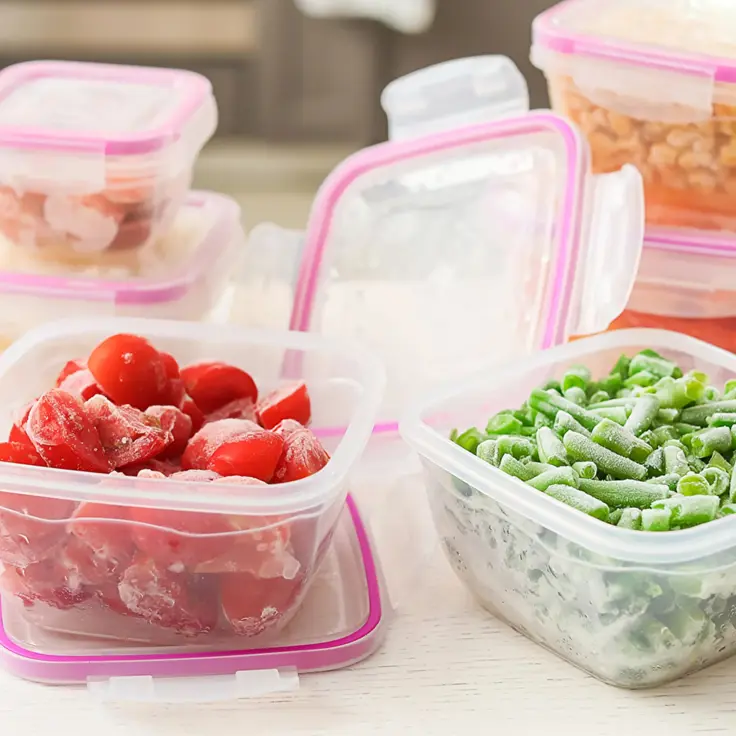
Freezing: it’s all about the packaging
Find out what you should look out for when choosing the packaging to freeze food in. Discover the most important criteria such as food safety, cold resistance and leakproofness to avoid freezer burn and preserve the freshness of your food.

Clean baking – natural indulgence with a clear conscience
Would you like to eat a more natural diet, but still love delicious cakes and pastries? We’ll show you what clean baking is all about and how you can embrace the trend.