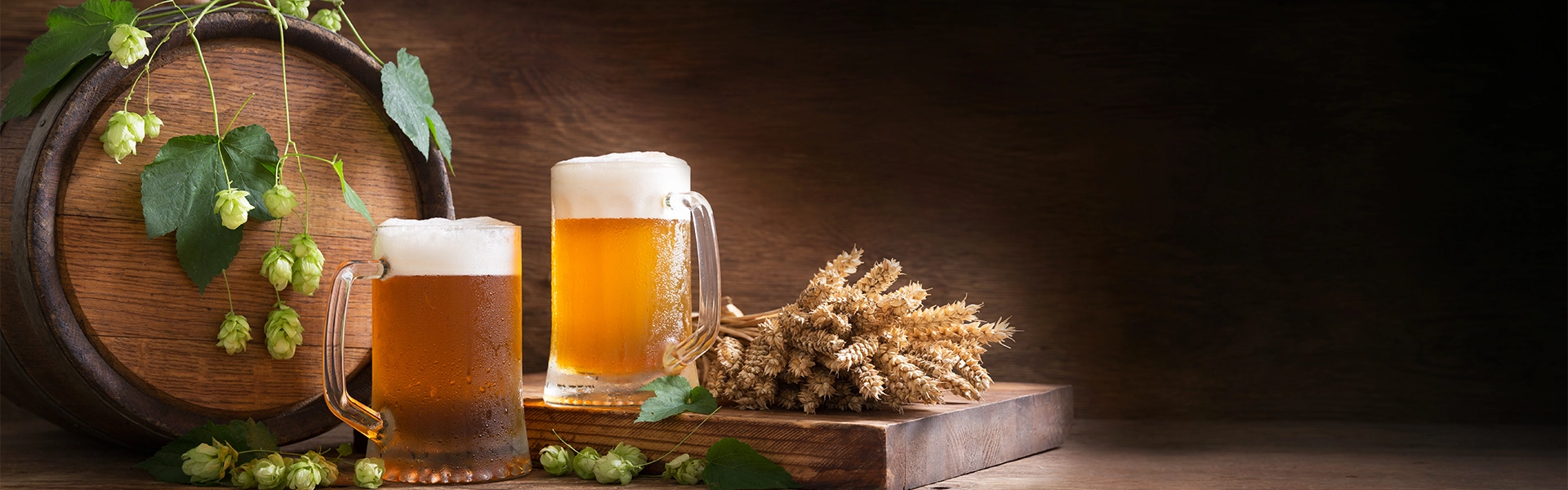
Storing beer correctly: tips for enjoying your beer
World-famous and much talked about: the purity law of 1516 stipulates that only water, malt, hops and yeast should be used to brew beer. This article will tell you everything you need to know – from storing beer to the optimum drinking temperature. Here you’ll find some practical tips on how to make drinking beer even more enjoyable.
The key points
- The purity law permits only water, malt, hops and yeast.
- Beer is ideally stored at 7–9 °C.
- Beer freezes at approx. -2 to -3 °C.
- Contains B vitamins, promotes metabolism.
- Drinking temperature usually 7–12 °C.
- Matures best in a cool, dark place.
The purity law: history and significance
The purity law was enacted on 23 April 1516 in Ingolstadt, Bavaria by the Dukes Wilhelm IV. and Ludwig X.
It stipulates that beer must be brewed exclusively from water, malt, hops and yeast.
This law was originally intended to safeguard the quality of beer and to protect the population from any low-quality or harmful ingredients.
In today’s Germany, the purity law is legally established in the “Provisional Beer Act” and is regarded as one of the oldest pieces of food legislation in the world.
What’s interesting is that there are exceptions: Germany also permits beers containing additives such as spices (e.g. anise, cinnamon) or fruit (e.g. orange, cherry) to be brewed, provided they are labelled as “special beers”.
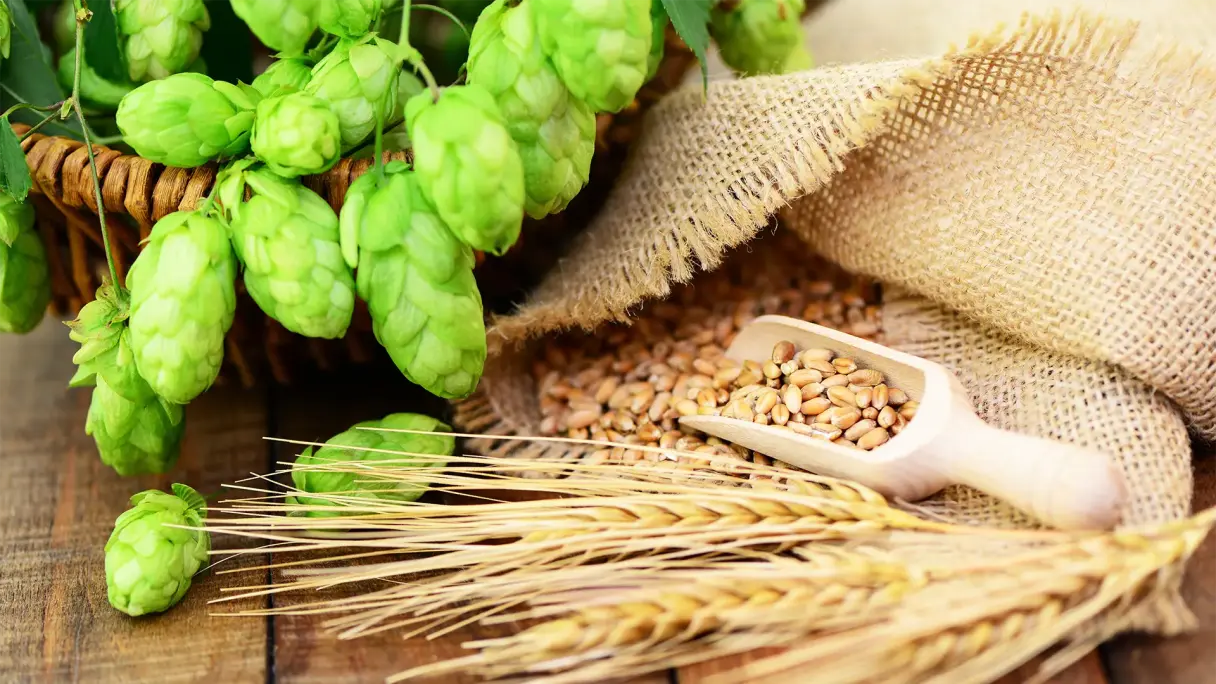
Storing beer: the right temperature and tips
Correct storage is crucial for preserving the taste and freshness of beer. The ideal storage temperature for beer is between 7 and 9 °C. At this temperature, the beer will mature perfectly and retain its full aroma.
If beer is cooled too much, for example down to 0 degrees or below, it can freeze and lose some of its quality. It’s also important for beer to be stored in a dark place protected from light as UV rays can have a negative effect on the taste.
A cool cellar or a special beverage cooler are ideal.
When beer is stored, the bottles should be placed upright to minimise the contact between the beer and the crown cap and avoid oxidation.
If you’re travelling, it’s advisable to transport beer in insulated cool bags or beer coolers so it doesn’t get too warm and retains its aroma.
Beer drinking temperature: how it tastes best
The optimum drinking temperature depends on the type of beer, but is usually between 7 and 12 °C. Light beers such as pilsner or lager taste best at around 7 to 9 °C, while dark or stronger beers develop their full aroma at 10 to 12 °C.
Beer that is too cold will froth less and lose its flavour; beer that is too warm may have an unpleasantly bitter taste.
For the perfect foam head, the beer should be served at between 6 and 8 °C. A clean, non-greasy glass will support foaming because fat destroys the carbon dioxide bubbles.
Tip: allow beer to breathe for a short time before you drink it by swirling it slightly – this will let the aromas evolve better.
When does beer freeze?
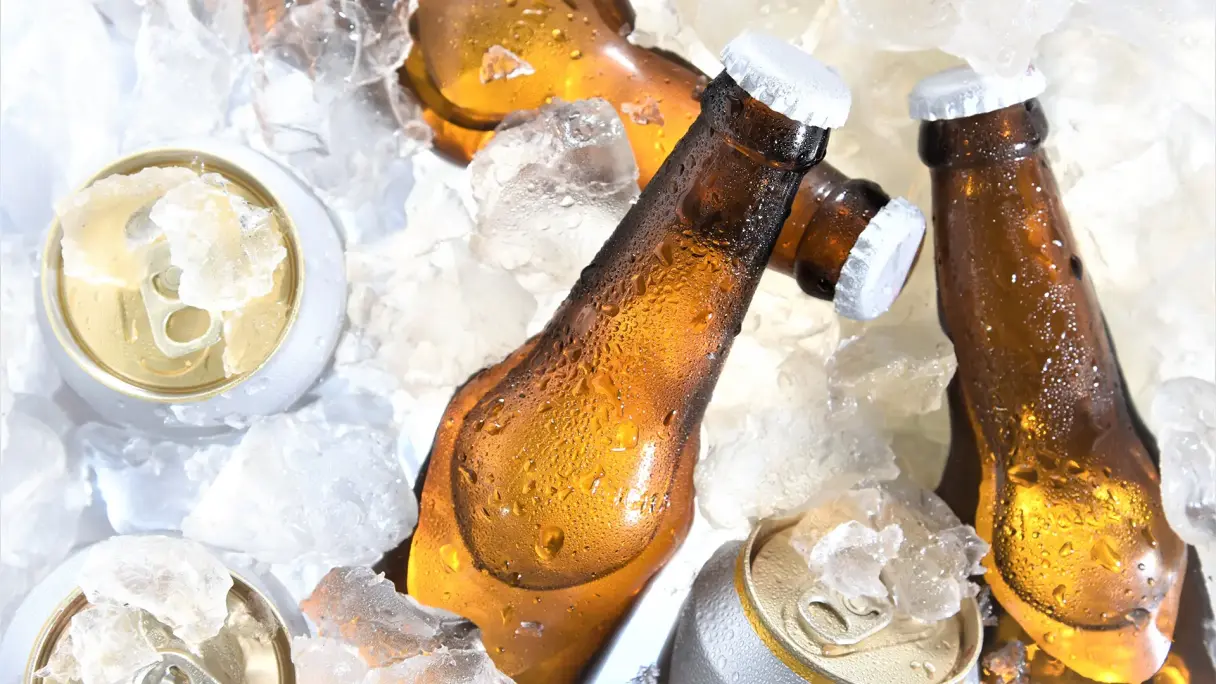
Beer will generally freeze at temperatures of between -2 and -3 °C, depending on the alcohol content.
This means that beer can freeze in the freezer if the temperature is too low, which can damage the bottle or can and thus affect the taste.
That’s why beer shouldn’t be stored at a temperature of 0 °C or below. A constant temperature above freezing is recommended for storage.
This will keep the beer fresh and allow it to mature without deteriorating.
Beer and its ingredients
Due to its ingredients and the fermentation process, beer contains various minerals and vitamins, especially from the B group (B1, B2, B6) and vitamin H (biotin). These vitamins support metabolism, promote the ability to concentrate and have a positive effect on the cardiovascular system.
Contrary to some myths, beer does not automatically make you fat or cause a “beer belly”. Rather, the ingredients of hops, malt and alcohol stimulate the appetite, which often leads to a higher calorie intake from eating fatty foods.
This is why beer should be enjoyed in moderation and as part of a balanced diet.