
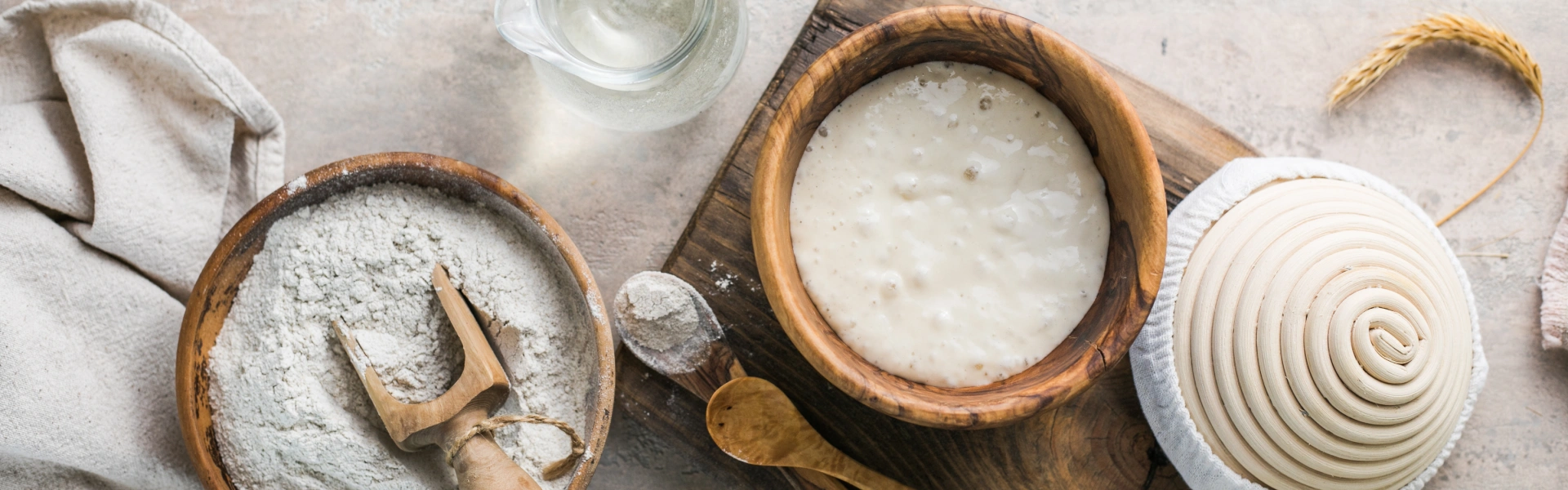
Preparing sourdough – how to do it!
Making your own sourdough is easy: all you need is flour, water, and a little patience – and you'll have a dough starter full of flavour and healthy microorganisms. This article explains step by step how to make, maintain, and preserve sourdough. It sets out why it keeps bread fresh for longer, intensifies the flavour, and improves nutrient absorption. It also includes tried-and-tested recipes – from moist rye bread to crispy crispbread.
The key points
- Sourdough: fermented dough made from flour and water
- Lactic acid bacteria and yeast provide flavour, lightness, and shelf life
- The breakdown of phytic acid makes bread particularly digestible
- Starter culture can be used for a long time and dried
Sourdough – Table of contents
What makes sourdough so healthy?
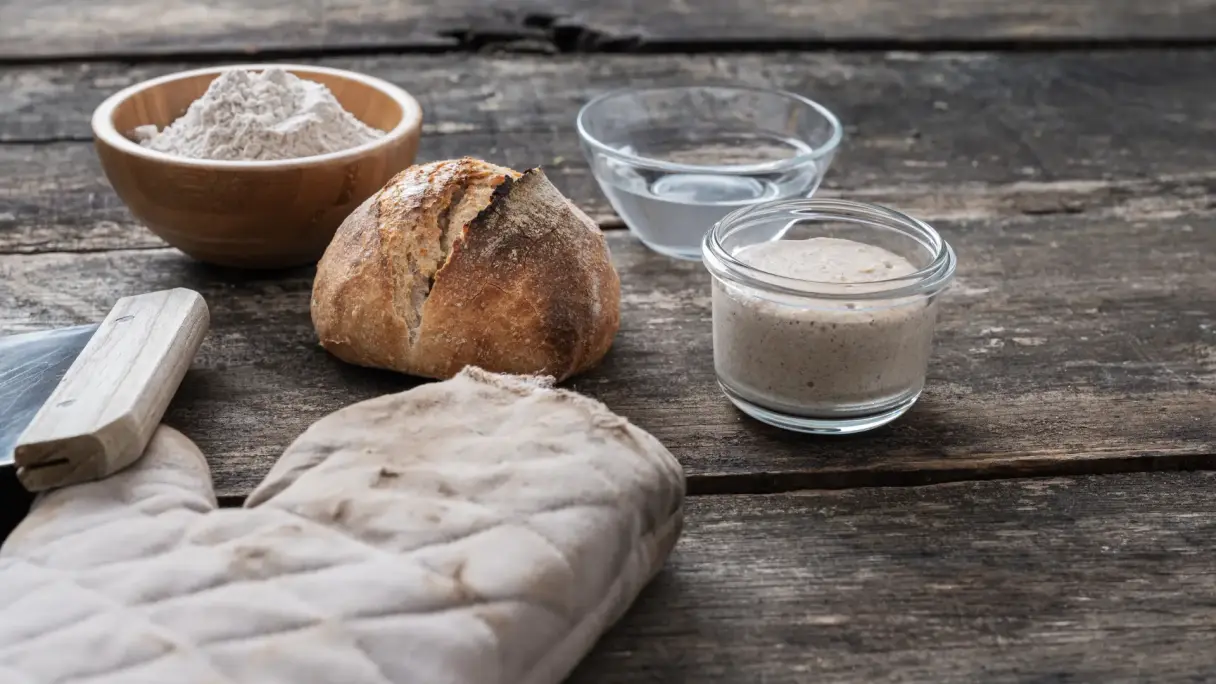
Sourdough is particularly healthy because natural fermentation activates lactic acid bacteria and yeasts, which improve the dough in many ways.
The little helpers in the dough transform the carbohydrates in the flour, producing lactic acid and acetic acid – this gives the dough its typical, slightly sour taste. This acidic environment keeps harmful bacteria and mould at bay, so your bread stays fresh longer and is easier to digest.
Health, digestibility and tradition in sourdough bread
Cereals contain phytic acid, which binds minerals such as iron, zinc, and magnesium, making it harder for our bodies to absorb them. In sourdough, lactic acid bacteria break down phytic acid during the long fermentation process. This makes the minerals easier to absorb. That is why sourdough bread is particularly valuable for anyone who wants to eat a nutrient-rich diet – especially vegetarians and vegans, for whom minerals are often a critical issue.
Slow fermentation breaks down hard-to-digest carbohydrates and certain types of sugar. This makes the bread easier to digest and can reduce flatulence and bloating. It also produces various organic acids that give sourdough bread its mildly sour taste. This makes sourdough bread not only healthy, but also really tasty – a treat for anyone who enjoys flavour and quality.
Sourdough is a centuries-old baking method that ensured bread could be kept fresh and was digestible long before industrial food production.
Today, it is regaining importance, especially for health-conscious people, as it naturally improves digestibility and nutrient absorption without additives or chemical agents.
Sourdough thus combines tradition with modern demands for nutrition and enjoyment – one reason why even bakers are increasingly turning to sourdough again.
How can you make sourdough yourself – quickly and easily?
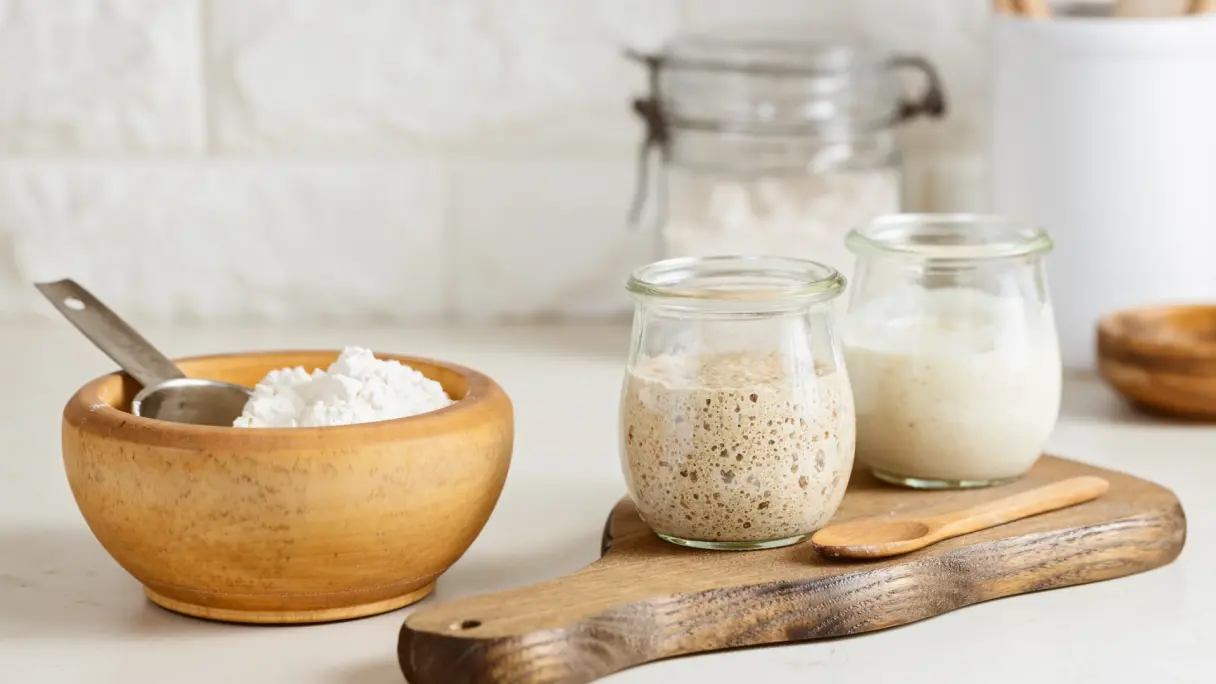
The focus is on the sourdough starter, also known as the ‘mother dough’. It contains lactic acid bacteria and yeasts, which make the dough light and the bread more digestible.
Unlike industrial yeast, even a small amount of starter culture is enough to achieve the same effect – without any artificial additives.
Step-by-step instructions for production, maintenance, and regular feeding
On the first day, mix 50 g of flour with 50 ml of lukewarm water in a clean glass. Loosely cover with a kitchen towel – the little helpers in the dough need air!
Then place the jar in a warm place (20–25 °C) and leave it to rest overnight.
Over the next three days, you will “feed” the dough every day with 50 g of flour and 50 ml of water, stir everything well and leave it to stand again.
After about four days, the magic happens: the dough begins to bubble and smells pleasantly sour. Your sourdough is now alive, active, and ready for delicious bread.
The finished starter culture is best stored in the fridge, for example in the BioFresh safe. There, the microorganisms go into a kind of hibernation, and your sourdough remains stable for a long time.
Important: Do not seal the jar completely airtight – the lid should only be loosely placed on top so that the dough can continue to breathe.
To keep the microorganisms active, the sourdough should be fed once a week. To do this, remove 1-2 tablespoons of starter culture, add 50 g of flour and 50 ml of water, mix everything well and leave to stand overnight at room temperature.
Then return the sourdough to the fridge.
Which recipes with sourdough are particularly popular?
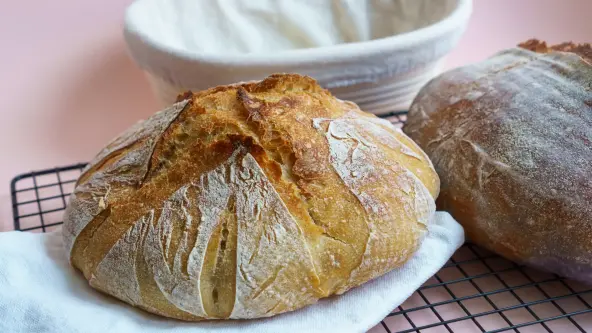
Recipe for rye bread (approx. 1 kg)
- 20 g sourdough starter
- 590 g rye flour (high type number)
- 540 ml water
- 14 g salt
- Optional: Caraway seeds
Preparation:
1. Mix all ingredients well and pour into a greased or lined baking tin.
2. Dust with flour and leave to rise in a warm place (20–30 °C) for 12–24 hours.
3. Preheat the oven to 220 °C. Bake the bread for 15 minutes, then reduce the temperature to 200 °C and bake for another 45–60 minutes.
The result: A moist, crispy rye bread with a rich flavour.
Recipe for crispbread made from sourdough starter
Ideal for using up excess sourdough.
- 60 g sourdough starter
- 60 g water
- 90 g wholemeal wheat flour
- 20 g oat flakes
- 10 g flaxseed
- 10 g sesame seeds
- 20 g olive or sunflower oil
Preparation:
1. Mix the sourdough with half of the water, add the flour and remaining water.
2. Mix in the seeds, salt, and oil, then leave to ferment at room temperature for 2–3 hours.
3. Roll out the dough thinly on baking paper and cut into pieces.
4. Bake at 200 °C for 10–15 minutes until the crispbread is crispy.



This text has been machine translated from English.