
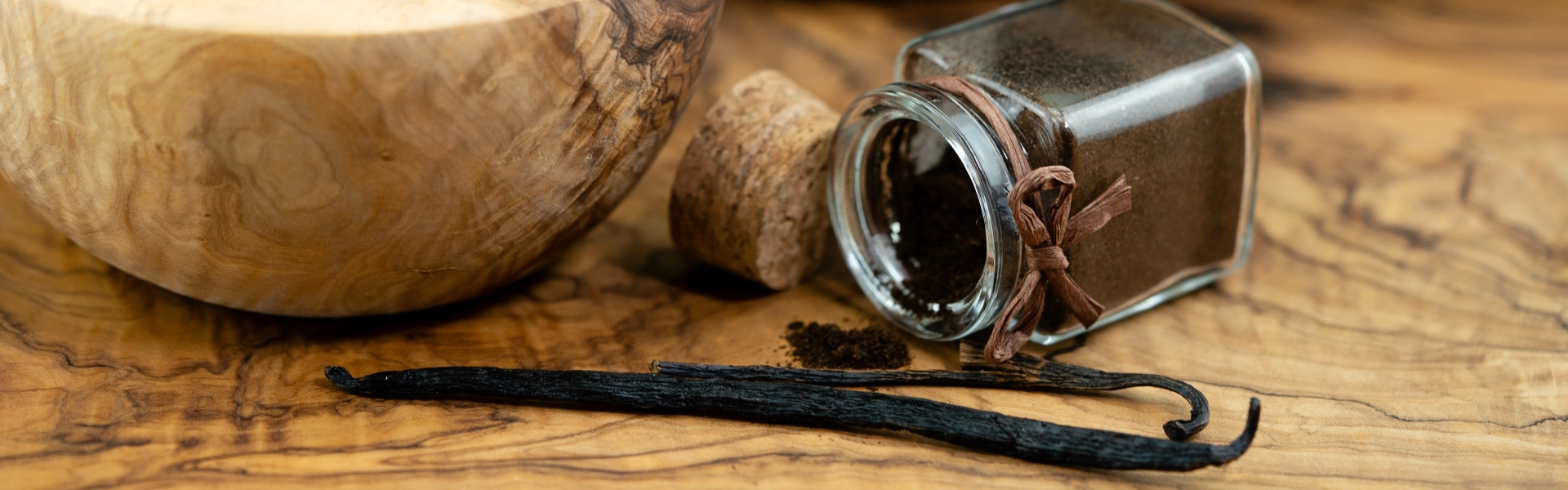
Vanilla: origin, production and differences
Vanilla, vanilla sugar, vanilla flavouring or vanilla extract – if you find vanilla and its production and all these different terms a bit confusing, don’t worry because we’ll explain them all right here. We’ll show you what makes real vanilla so unique, why vanilla is one of the most popular spices all over the world and of course how to navigate deceptions and locate real vanilla in a list of ingredients.
The key points
- Origin and spread: real vanilla originates from southern Mexico and Guatemala, but today’s important growing regions include Madagascar and the Bourbon Islands.
- Laborious cultivation: pollination by hand, harvesting when it’s unripe and weeks of fermentation make vanilla particularly expensive.
- Vanilla extract vs. flavouring: only vanilla extract contains the full natural flavour profile.
- Labelling and deception: terms such as “natural vanilla flavouring” don’t automatically mean real vanilla – it’s worth taking a closer look.
Vanilla and its origin – list of contents
The origin of vanilla – exotic luxury product from afar
Vanilla is one of the most popular and most used spices in the world. And rightly so: real vanilla contains more than 200 aromatic substances which together produce a deliciously sweet and full-flavoured taste. In addition, people get used to the taste of vanilla at a very young age because infant formula often contains minimal amounts of vanilla flavouring. That's why as adults we still associate eating vanilla with a feeling of familiarity and security. But which countries does vanilla actually originate from?
Vanilla actually originates from southern Mexico and Guatemala. The spice was already revered there during the time of the Aztec Empire. Vanilla made its way to Europe in the 16th century, via Spain. The Spanish had a monopoly on this luxury item for a long time. However, at the beginning of the 19th century, scientists successfully managed for the first time to synthetically produce vanillin, one of the main flavouring substances in vanilla. More than 90 % of the vanillin produced today is made synthetically. This is the only way to meet the huge global demand for vanilla. Those who want to benefit from the unique flavour of real vanilla pods will have to dig a little deeper in their pockets. But why exactly is vanilla so expensive?
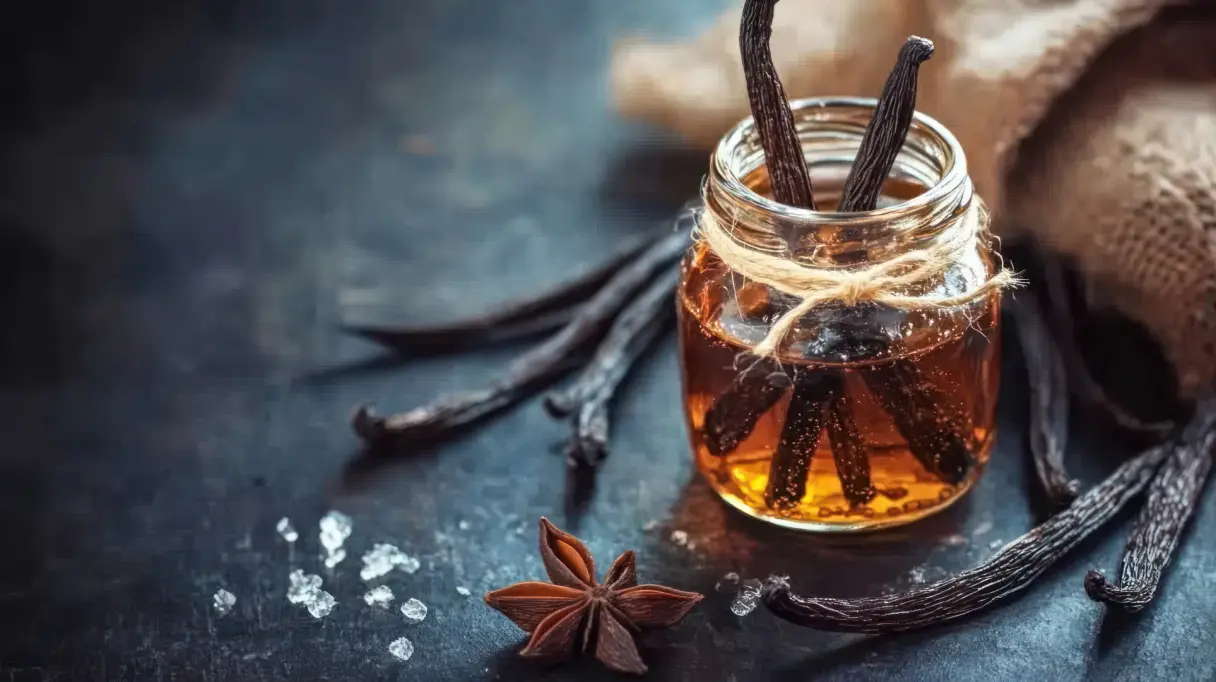
Expensive treat – growing and producing vanilla
The most important growing regions for vanilla are Madagascar, the island of La Réunion and the Comoros. The famous Bourbon vanilla must originate from the “Vanilla Islands”, a term used to describe the islands listed above as well as the Seychelles and Mauritius.
Vanilla pods are the fruits of a tropical climbing orchid and are harvested just before flowering in an unripe state, then fermented for up to four weeks. The pods only start to develop their unmistakable vanilla flavour over this long period and change colour from green and yellow to black and brown. The pods also enormously reduce in size over this time. Due to this long production process as well as the time-consuming pollination process, vanilla – alongside saffron and cinnamon – is one of the most expensive spices in the world. That’s why there are now many substitutes for vanilla that originate from somewhere other than the pod itself.
Vanilla extract is the product created during the extraction process of the pods. The flavour must be 100% from a vanilla pod and contains the main component of vanillin, but also up to 100 other aromatic substances. It’s a highly valuable and natural product. Products like vanilla ice cream in your chest freezer often have the black specks that are typical of vanilla. Vanillin is the main flavour substance in vanilla and can be extracted from real vanilla pods, but also from other natural materials such as wood. The majority of vanillin used in the food industry is now produced synthetically. If it states on your pudding in the fridge“contains natural vanilla flavouring”, compared to natural flavouring, 95% of this substance must originate from the vanilla pod. The remaining five percent must also have a natural origin, but don’t need to have anything to do with vanilla.
This might also interest you
Clean baking – natural indulgence with a clear conscience
Would you like to eat a more natural diet, but still love delicious cakes and pastries? We’ll show you what clean baking is all about and how you can embrace the trend.
Acai berries — the South American trend setter
Acai berries are a real super food! Keep reading FreshMAG to find out how the berries taste and how to enjoy them!
Where does ice cream come from? Facts you need to know
Whether it’s an ice lolly, soft ice cream or ice cream scoops – (almost) no one can resist ice cream. But where does ice cream come from? We’ve put together some exciting facts for you.