Shrimps: nutritional values and vitamins of the popular crustaceans
Do you love seafood, fish and seaweed? Then you’re sure to end up with a shrimp or two on your plate from time to time. We’re delighted to tell you all about the nutritional values of shrimps. So you can be sure of what ends up on your plate. We also reveal how healthy eating crustaceans can be.
Storage time*
| BioFresh Professional with Fish & Seafood safe -2 °C with low humidity | 4 days |
| Fridge compartment 7 °C | 1 day |
| Freezer compartment -18 °C | 3 months |
The key points
- High in nutrients and low in calories: shrimps contain high-quality protein, little fat and only around 90–100 calories per 100 g – ideal for a healthy diet.
- Valuable vitamins and trace elements: they provide iodine, vitamin B12, D, and E as well as the minerals selenium and zinc.
- Careful preparation is crucial: steaming or briefly frying preserves heat-sensitive nutrients such as vitamin B12 and iodine.
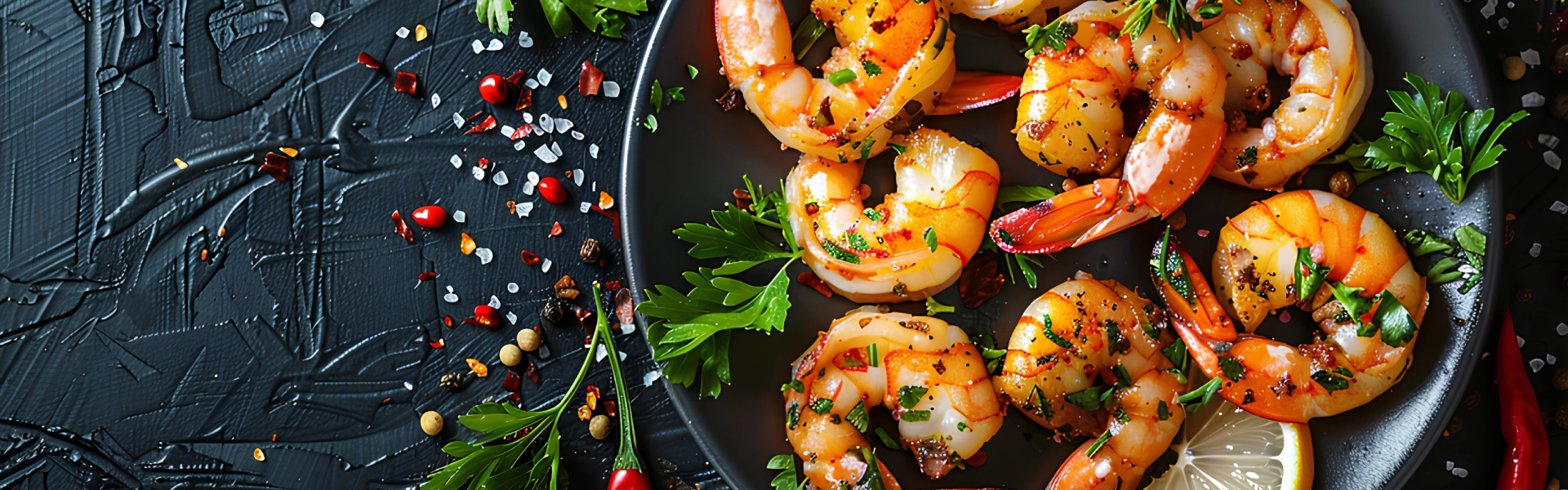
- Colour is a cooking indicator: during cooking, the originally dark skin turns a reddish-orange colour – a sign that cooking is complete.
Prawns: nutritional values and more – list of contents
Shrimps: they contain these nutrients and vitamins
Shrimps belong to the overarching group of crustaceans, also known as shellfish. Within this group, shrimps, like prawns, form a sub-category of their own. With tens of thousands of species, crustaceans are among the most diverse sea creatures. Shrimps are both popular in cuisine and nutritionally interesting. The nutrients that shrimps bring with them are extremely valuable. They provide high-quality protein with a low fat content, which makes them an ideal choice for a healthy diet.
One particularly important nutrient that shrimps contain is iodine – a trace element that is necessary for proper thyroid function. Vitamin B12, which is particularly important for blood formation and the nervous system, is also abundant in crustaceans. Other vitamins contained in shrimps, such as vitamins D and E, can contribute to bone health and cell protection. Shrimps also provide minerals such as selenium and zinc, which have an antioxidant effect and can support the immune system. Shrimps contain very few calories – 100 grams contain on average only around 90 to 100 kilocalories – which also makes them great for a low-calorie diet. Due to their excellent nutritional values, shrimps are definitely a valuable addition to a healthy diet. When buying, however, look for sustainable fishing methods or reputable farms.
How to prepare shrimps to preserve their nutritional value
To ensure that shrimps retain their valuable nutritional values, take care to prepare them correctly. With fresh crustaceans in particular – as opposed to frozen crustaceans from the freezer – it is worth opting for gentle cooking methods such as steaming or briefly searing over a medium heat. This means that heat-sensitive vitamins such as B12 or the trace element iodine are largely preserved.
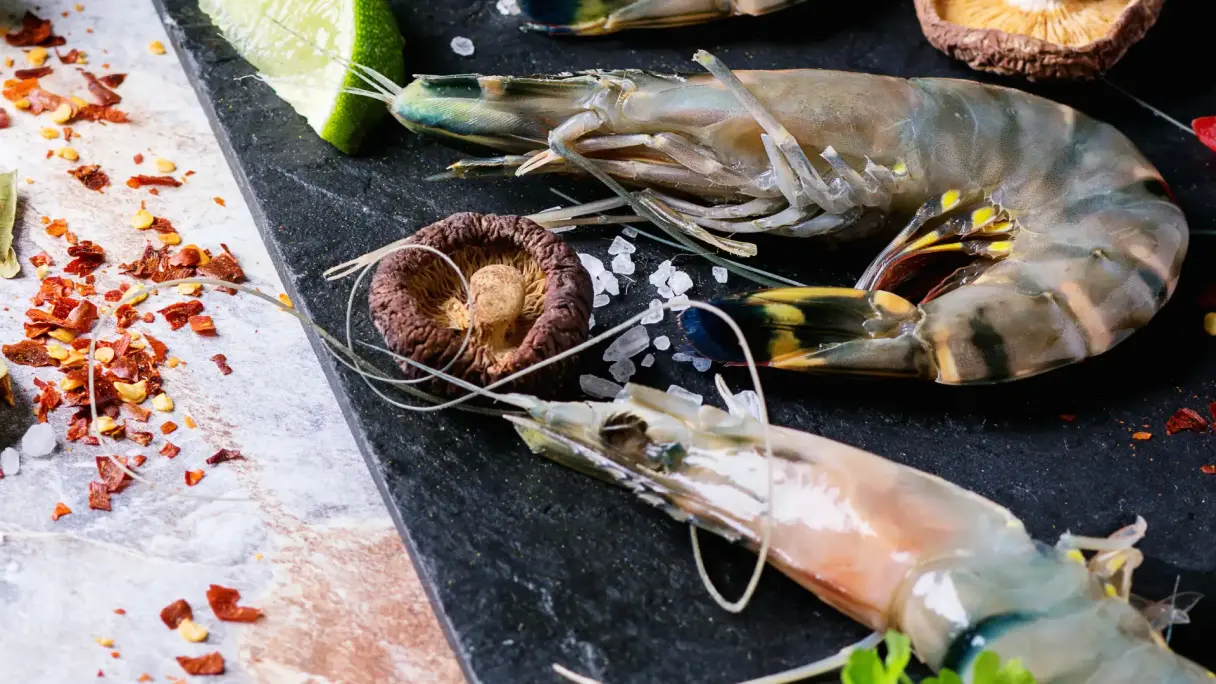
A characteristic feature of cooked shrimps is their red colour: shellfish undergo an intense colour change during the preparation. While live shrimps often have a grey to blue shimmering shell, the surface changes on contact with boiling water. The top layer becomes transparent and reveals the layer underneath with the typical red colouring.
Care is also required for storage: fresh shrimps can be kept in the fridge at 7 °C for one day. You can even store shrimps for up to four days in the BioFresh Professional Fish & Seafood safe in your Liebherr fridge. The temperature there is -2 °C and the humidity is low. This preserves the quality of the shrimps. If you want to prepare frozen shrimps, they should be defrosted slowly and gently in the fridge. Careful handling and the right cooking method ensure that the shrimps retain their nutritional value and consistency.
*All specifications given are to be considered as guideline values, and depend in each case on the type of food and on the proper storage without interruption of the cold chain from harvest/production through to the Liebherr appliance. Should food products have information about minimum shelf life, the date on the packaging always applies.