Granadilla or passion fruit: healthy, delicious and versatile
Although the terms ‘passion fruit’ and ‘granadilla’ are often used interchangeably, they refer to two different fruits. Although related, they differ in their appearance and taste. These exotic fruits offer many health benefits and can be used in a variety of ways in the kitchen. Read on to find out about the origins of the different types of passion fruit, their nutritional values, vitamins and possible side effects. We also provide tips on how to store and use the fruit.
Storage time*
| EasyFresh safe 7 °C with air regulation plate | 22 days |
| Fridge compartment 7 °C | 18 days |
| Freezer compartment -18 °C | 12 months |
The key points
- Passion fruit and granadilla are not the same fruit.
- The fruits mainly come from Brazil and Ecuador.
- They are rich in vitamins and minerals.
- They have properties that lower blood pressure and have a calming effect.
- They are ideal for juices, desserts and as a fresh ingredient in dishes.
Granadilla and passion fruit – list of contents
- The differences between granadilla and passion fruit
- Nutritional values and vitamins in granadilla and passion fruit
- Why granadilla and passion fruit are good for your health
- Enjoy freshness: storing and using the varieties of passion fruit
- Possible side effects of the passion fruit varieties
- This might also interest you
The differences between granadilla and passion fruit
Granadilla and passion fruit belong to the Passifloraceae family and are mainly found in tropical regions. Around 87 percent of global production comes from Brazil and Ecuador. The different types of passion fruit come in a wide variety of colours and shapes, and with up to 250 seeds inside. The seeds are edible and surrounded by juicy flesh. As the fruit matures, the skin becomes wrinkled and it is only then that it develops its full flavour, which is why it is best to leave it to ripen until this occurs.
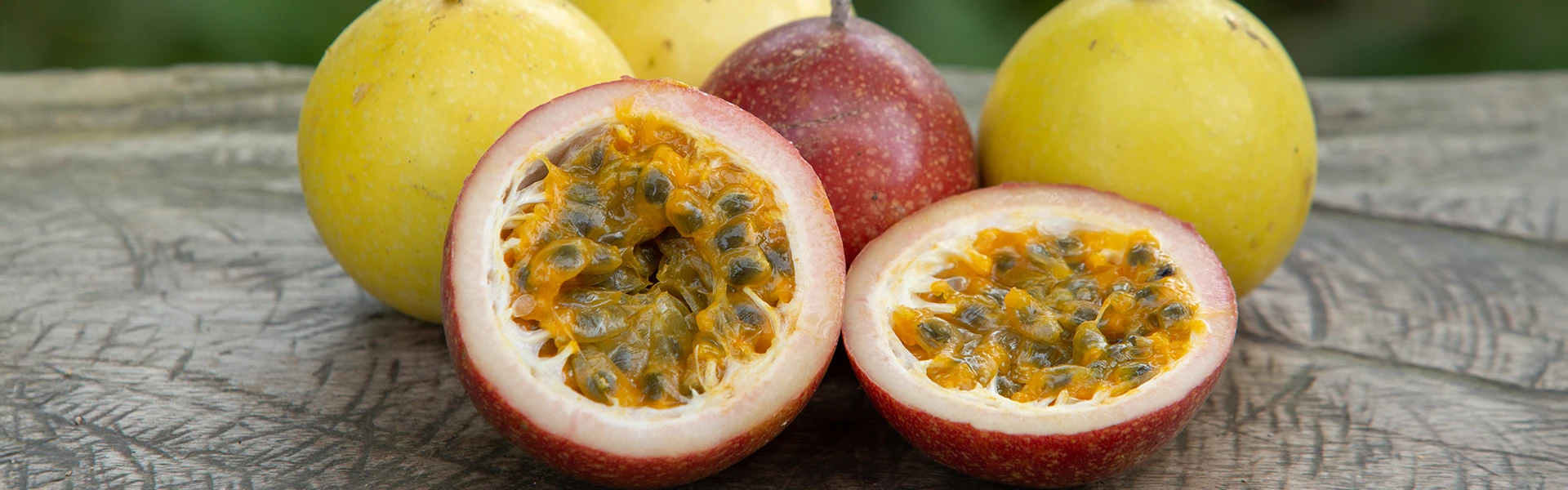
The two most important edible passion fruit species are the yellow granadilla and the purple granadilla (passion fruit). While the purple passion fruit is often used for fresh consumption, the granadilla is preferred for industrial juice production because of its higher acidity and provitamin A content. These differences in use often cause confusion among consumers, as the packaging often depicts the purple granadilla, while the juice comes from the yellow granadilla.
Nutritional values and vitamins in granadilla and passion fruit
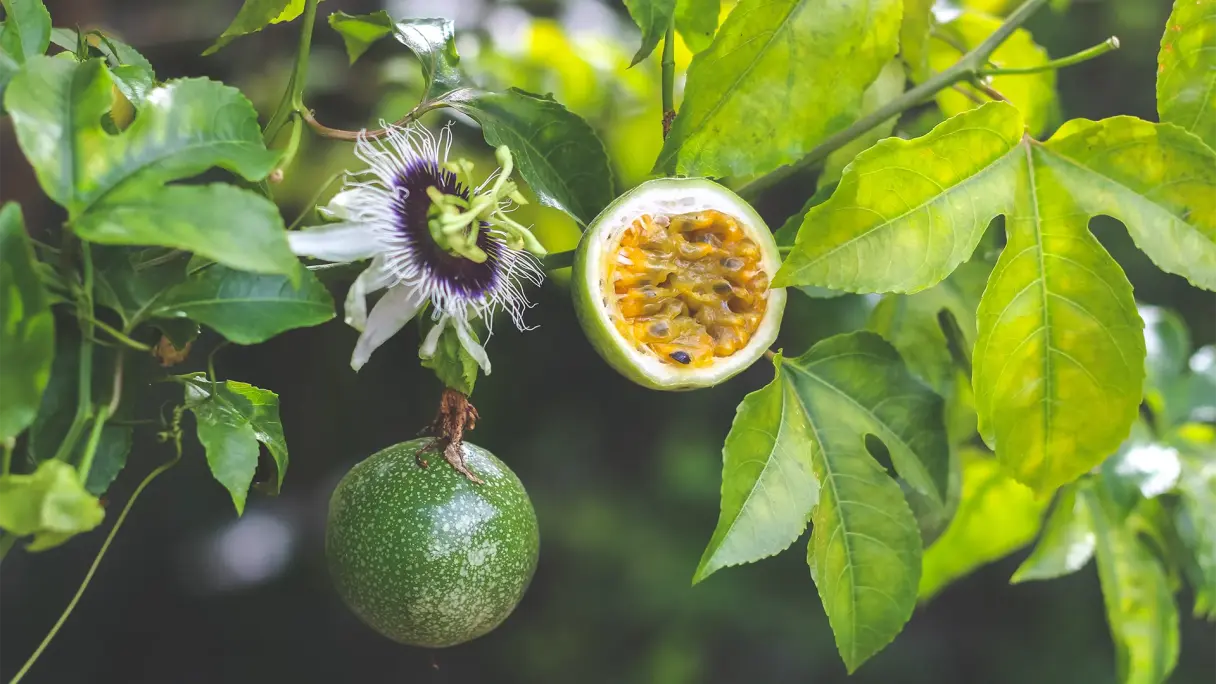
Granadilla and passion fruit are packed with nutrients. They have high amounts of vitamins B1, B2, C and provitamin A. They also contain minerals such as potassium, phosphorus and iron, which are important for health. The fruits have a high water content and are low in calories, making them an ideal snack option for a health-conscious diet. Their nutrients support the immune system and contribute to a healthy skin. The fruits can be enjoyed fresh or puréed.

Why granadilla and passion fruit are good for your health
The health benefits of both types of passion fruit are numerous. They help to lower blood pressure and can have a calming effect, making them ideal fruits for people suffering from stress. The antioxidants they contain support cell health and can reduce the risk of chronic diseases. In addition, the fibre in the fruit promotes healthy digestion. Regular consumption can also improve your general well-being and sleep quality.
Enjoy freshness: storing and using granadilla and passion fruit
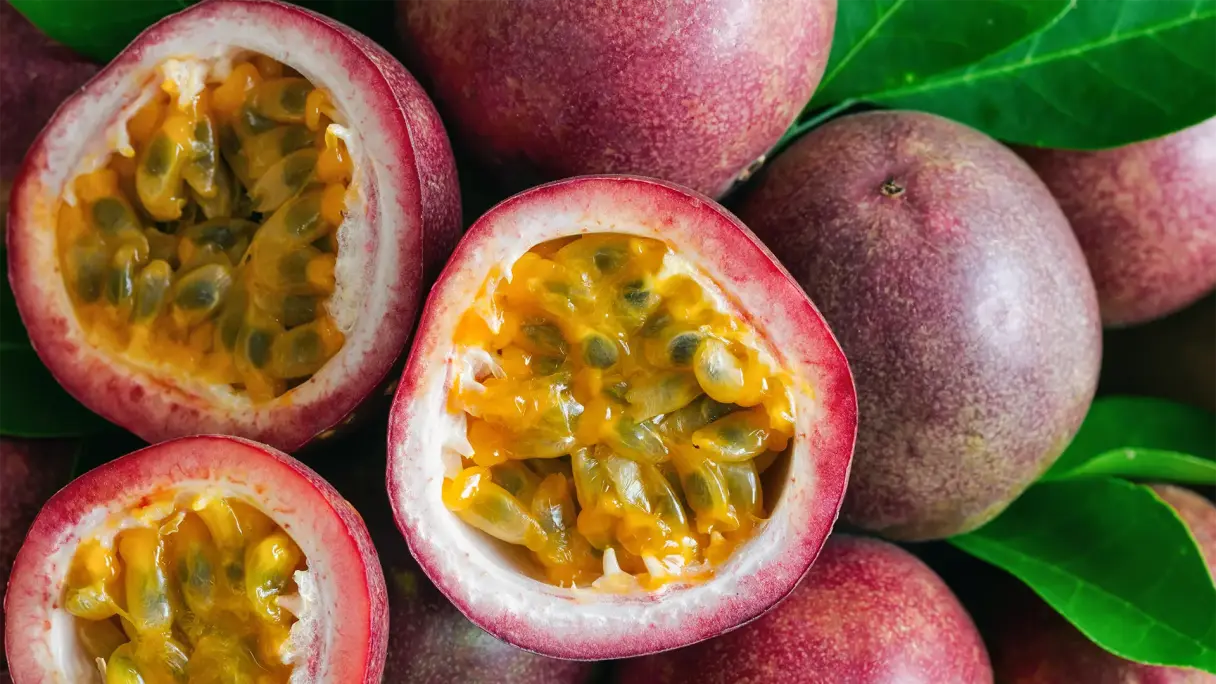
Granadillas can be stored in the fridge for up to 22 days. You should leave the fruit to ripen at room temperature until the outer skin becomes wrinkled to allow the full flavour to develop. For long-term storage, freeze the puréed fruit pulp, which you can keep in the freezer for up to 12 months. The frozen pieces can be used in drinks or desserts to give them a refreshing taste.
Possible side effects of the passion fruit varieties
Although granadilla and passion fruit offer many health benefits, excessive consumption can cause side effects. These include stomach complaints or allergic reactions in sensitive individuals. It is advisable to enjoy the fruit in moderation and to consult a medical professional if you have any known allergies or intolerances.
*All specifications given are to be considered as guideline values, and depend in each case on the type of foodstuffs and on the proper storage without interruption of the cold chain from harvest/production through to the Liebherr appliance. Should food products have information about minimum shelf life, the date on the packaging always applies.