Mozzarella: nutritional values, calories and storage tips
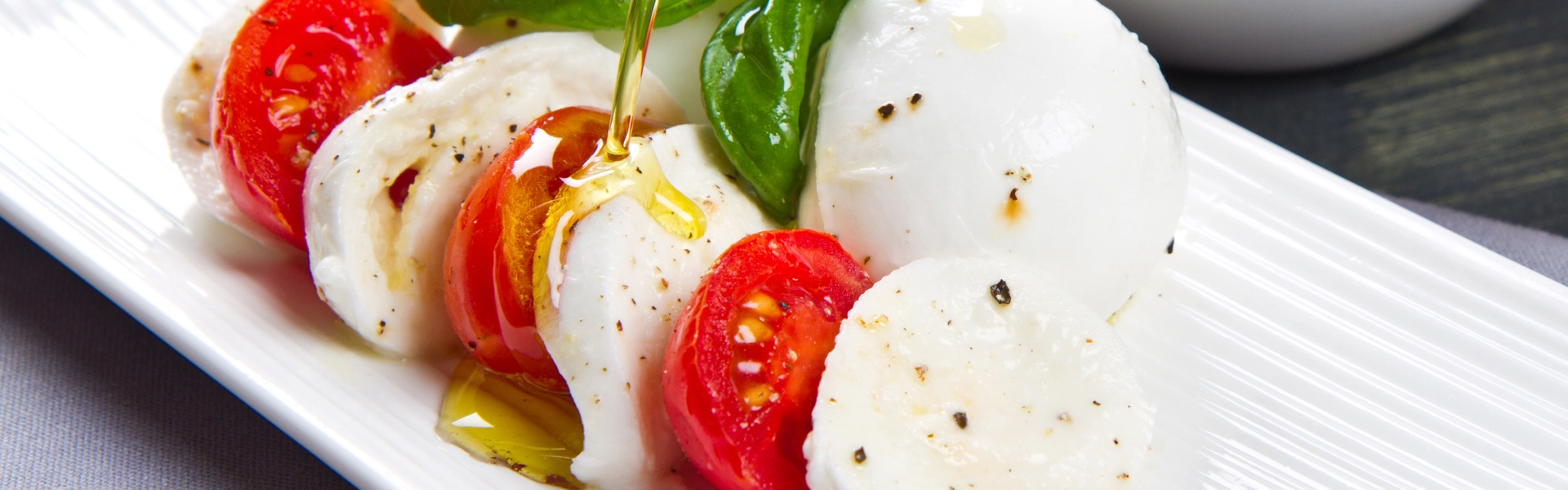
Whether it’s topping your pizza, served with tomatoes and basil as a summery starter or as an ingredient in countless warm and cold dishes, mozzarella is a welcome cheese classic all across the world. This member of the soft cheese family is particularly known for its unique production process, The result: it its unusual consistency and its enchantingly light, fresh taste. Read on to find out more about mozzarella and its nutritional values.
Storage time*
| BioFresh Meat & Dairy safe just above 0 °C with low humidity | 20 days |
| Fridge compartment 7 °C | 7 days |
| Freezer compartment -18 °C | 10 months |
The key points
- Mozzarella made from cow’s milk is more common today than the traditional variant made from buffalo milk – it’s cheaper to produce, but also firmer in consistency and milder in flavour.
- Buffalo mozzarella scores points for its creamy texture and more intense aroma – recognisable by the Protected Designation of Origin seal.
- Nutritional values: mozzarella contains a lot of protein, calcium and vitamins. With around 280 kcal/100 g, it’s one of the lower-calorie cheeses – Mozzarella Light actually has just 150–200 kcal.
- Mozzarella is ideal for a healthy diet – especially in combination with fresh vegetables or as a light variant, it can also help you lose weight.
Cows instead of buffaloes: mass produced mozzarella with good nutritional values
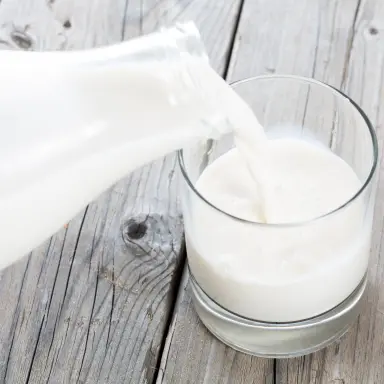
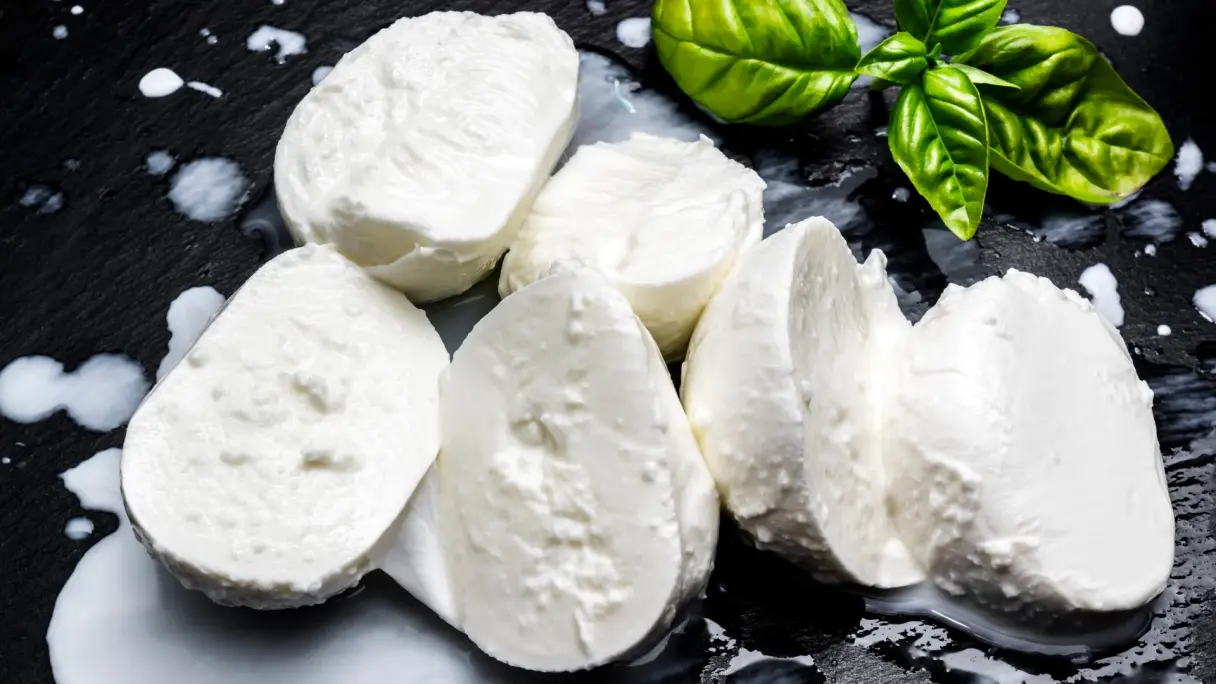
The greater the demand for the cheese, the cheaper its production had to become. Where once mozzarella was made from buffalo’s milk, today it’s typically produced with cheaper cow’s milk. Buffalo milk mozzarella and cow milk mozzarella, however, are two very different things. Buffalo mozzarella, with its creamy consistency, seems to melt on the tongue, whereas cow’s milk mozzarella is characterised by its harder, rubberier texture. The differences in taste are also enormous: buffalo’s milk contains nearly twice as much fat as cow’s milk, which gives the cheese a significantly higher flavour intensity.
Genuine buffalo mozzarella is available in the supermarket with its “protected designation of origin” label. This red-yellow seal signifies that its production was controlled, regional and traditional. If you haven’t ever had the real thing, it’s definitely worth a try. But even among cow milk varieties, there are differences. Whether its round and brined or firm and dry, made from whole milk or low-fat, find out which type you like most.
Is mozzarella healthy because of its nutritional values?
Mozzarella contributes to our health with its nutritional values. The cow’s milk version of this classic cheese, in particular, is fairly low in fat compared to other types of cheese. With around 280 calories per 100 grams, mozzarella is one of the lower-calorie cheeses, which makes it attractive to many people who are watching their diet. The Mozzarella Light variant is particularly impressive due to its nutritional values, with reduced fat content and around 150–200 calories per 100 grams. In terms of health, mozzarella scores points with its high protein content, calcium and important vitamins, which is why it definitely has a place in a balanced diet. If you want to lose weight with mozzarella, you should choose light products and pay attention to the portion size, because in combination with fresh ingredients such as tomatoes or lettuce, it’s ideal for a light, filling meal.
The mild aroma of mozzarella also fits perfectly with the more dominant flavours in other dishes. Whether its succulent tomatoes, tasty herbs or a hearty pizza, mozzarella makes your food a delectable dining experience.
Store mozzarella properly and preserve its nutritional values
To make sure you’re purchasing safe mozzarella, the package should not have any holes, nor should it be inflated. Since mozzarella can very easily spoil, the best-before date gives you a good indication of the shelf-life. Signs of spoiling cannot really be detected visually. Therefore, it’s a good idea to try a taste test and examine the consistency. Has the consistency changed or has the cheese become greasy? This could be a sign that the mozzarella has gone bad. If there is also a sour or bitter taste, it is clear: this mozzarella belongs in the bin.
This cheese should keep for up to a week in the normal fridge after it’s been opened. The drawer featuring BioFresh technology in your Liebherr fridge will deliver a significantly longer shelf life. In this special fresh food compartment, there is a constant temperature of just above 0 °C combined with low humidity. This keeps the delicate mozzarella and its nutritional values fresh for up to 13 days longer.
*All specifications given are to be considered as guideline values, and depend in each case on the type of food and on the proper storage without interruption of the cold chain from harvest/production through to the Liebherr appliance. Should food products have information about minimum shelf life, the date on the packaging always applies.