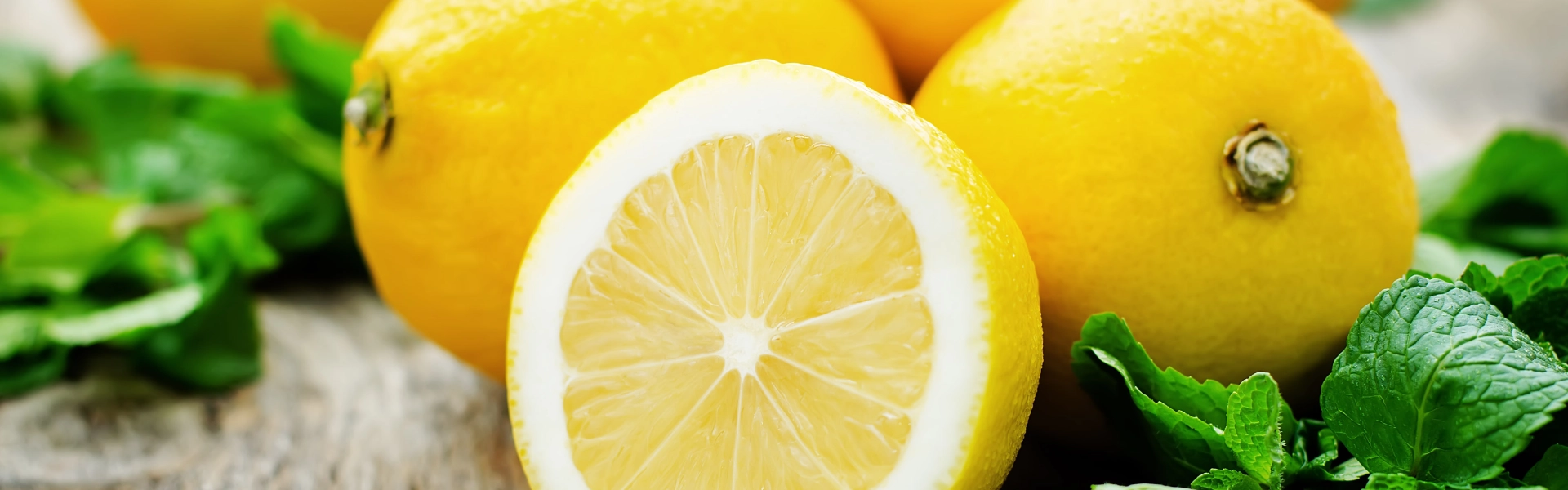
Lemons – nutritional values, vitamins and their effects
Golden yellow, refreshing and, for many, inextricably linked to summer drinks such as lemonade or limoncello – lemons are a real vitamin bomb! But this versatile fruit is not only a treat for the taste buds, it is also a true health miracle. We reveal how the vitamins and nutrients in lemons can benefit your body.
Storage time*
| Larder compartment 12 °C | 30 days |
| EasyFresh safe 7 °C with air regulation plate | 20 days |
| Fridge compartment 7 °C | 16 days |
| Freezer compartment -18 °C | 12 months |
The key points
- 100 g of lemon contains only about 29 calories, making it a low-calorie snack.
- Lemons provide a significant portion of the daily vitamin C requirement.
- The flavonoids contained in lemons promote cell protection and have anti-inflammatory properties.
- The fruit acids and fibre promote healthy digestion and stimulate the appetite.
Promote your health with the vitamins found in lemons
This citrus fruit is particularly popular for its characteristic taste, but it also has excellent nutritional values. Lemons are approximately 89 % water, making them a refreshing and easily digestible food. With 29 calories per 100 g, lemons are low in calories and make an excellent refreshing snack between meals.
Particularly noteworthy is the high vitamin C content: With 51 mg per 100 g, a lemon covers about 85 % of an adult’s daily requirement. Vitamin C is an essential antioxidant that protects the body from free radicals, strengthens the immune system and promotes healthy skin. Lemons also contain vitamin B6, potassium and folate, which are important for metabolism and muscle function.
Lemons are also known for their anti-inflammatory properties. The flavonoids in the peel and flesh have antioxidant properties and support cell protection. The nutritional value of lemons can help reduce inflammation and slow down the ageing process of cells. The high fruit acid and fibre content also contributes to healthy digestion and stimulates the production of digestive juices.

Lemons and their versatile effects
Lemons are not only an indispensable ingredient in the kitchen – they also have numerous health benefits. The citric acid contained in lemons has a detoxifying effect. It can help rid the body of harmful substances and support liver function. Lemons also stimulate the appetite and salivation, which can be particularly beneficial after heavy meals.
In addition, the nutritional value of lemons can contribute to hydration: thanks to their high water content, they support fluid intake and promote healthy skin. This makes lemons an ideal refreshment tip in summer, helping to hydrate the body and strengthen the immune system at the same time. Lemons are fairly easy to keep and will stay fresh for several days if stored correctly. Lemons remain aromatic and retain their nutritional value for up to 16 days when stored at 7 °C in the fridge – and for up to 30 days when stored in the larder compartment or pantry at 12 °C.
During the cold season or when you have a cold, lemons are often used as a home remedy. Lemon tea or water with lemon juice are not only refreshing, but also beneficial when you have a cold. The acid in lemons is excellent for removing limescale in the bathroom when cleaning your home. It’s no coincidence that conventional cleaning products often smell like lemon. Because lemons can neutralise bad odours.
*All specifications given are to be considered as guideline values, and depend in each case on the type of food and on the proper storage without interruption of the cold chain from harvest/production through to the Liebherr appliance. Should food products have information about minimum shelf life, the date on the packaging always applies.