Game – meat with good nutritional values
Whether saddle of venison, roast wild boar or pheasant fillet – game not only brings variety to the plate, but is also very healthy. Because not all game is the same: the taste and nutritional content vary depending on the type of animal. We show you what makes it so special, what nutritional valuesgame contains and what you should look out for when buying and storing it.
Storage time*
| BioFresh Meat & Dairy safe just above 0 °C with low humidity | 6 days |
| Fridge compartment 7 °C | 1 day |
| Freezer compartment -18 °C | 9 months |
The key points
- Furred game includes deer, wild boar and hares, while game birds include wild ducks and pheasants.
- Game is low in fat, high in protein and contains many unsaturated fatty acids, including omega-3.
- However, red meat should be consumed in moderation to avoid health risks.
- Fresh game should be consumed promptly or alternatively frozen immediately.
Game: nutritional values and taste at a glance
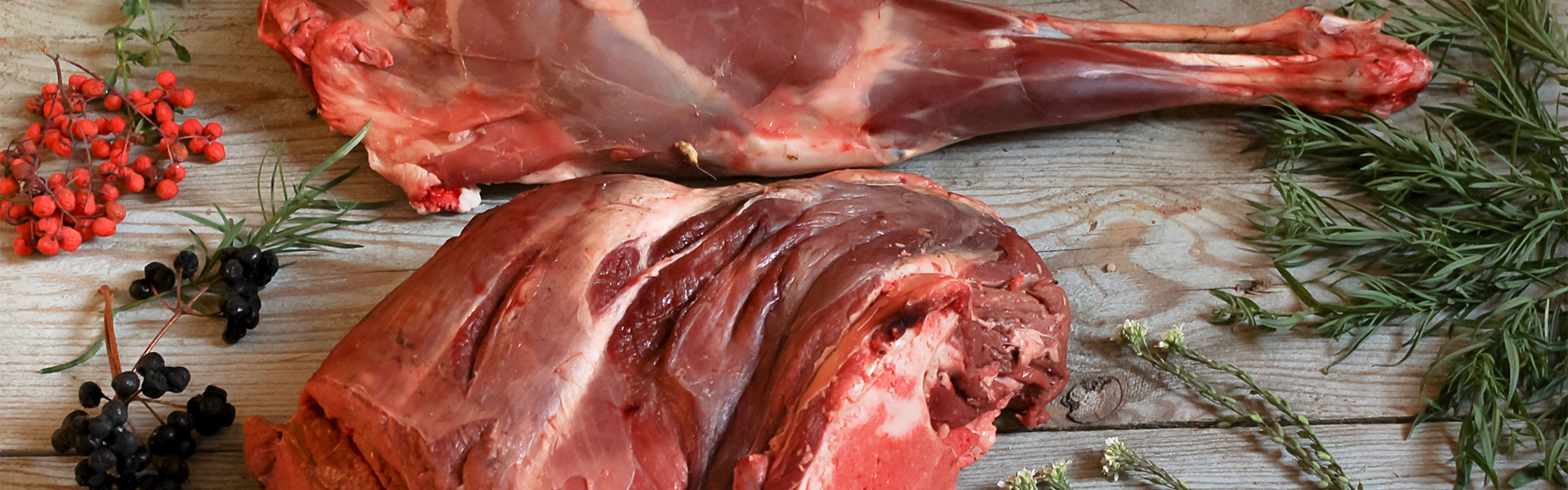
Game varies both in terms of nutritional value and taste: A distinction is made between furred and feathered game. Furred game refers to all huntable mammals with fur, which are in turn divided into big game, wild boar and small game. Big game includes deer, moose, chamois and elk, and small game includes hares and wild rabbits. Some game animals are kept and fed in fenced enclosures, similar to natural habitats. Wild boar has very flavourful and juicy meat. The meat of roe deer, fallow deer and mouflon is also very tender. Wild rabbit is perfect for those who like particularly tender meat. Game meat from animals kept in enclosures is generally richer and demonstrates a variation in flavour.
Game birds include those which live in the wild and are allowed to be killed by humans. Some types of these birds are also reared in aviaries. Examples of game birds include wild duck, wild goose, wild pigeon, pheasant, partridge and quail. The colour and structural characteristics of game meat from birds differ depending on the age and diet of the bird and if it is kept in an aviary or lives out in the wild. In contrast to birds living in the wild, the meat of game birds kept in aviaries loses out in terms of firmness and flavour.
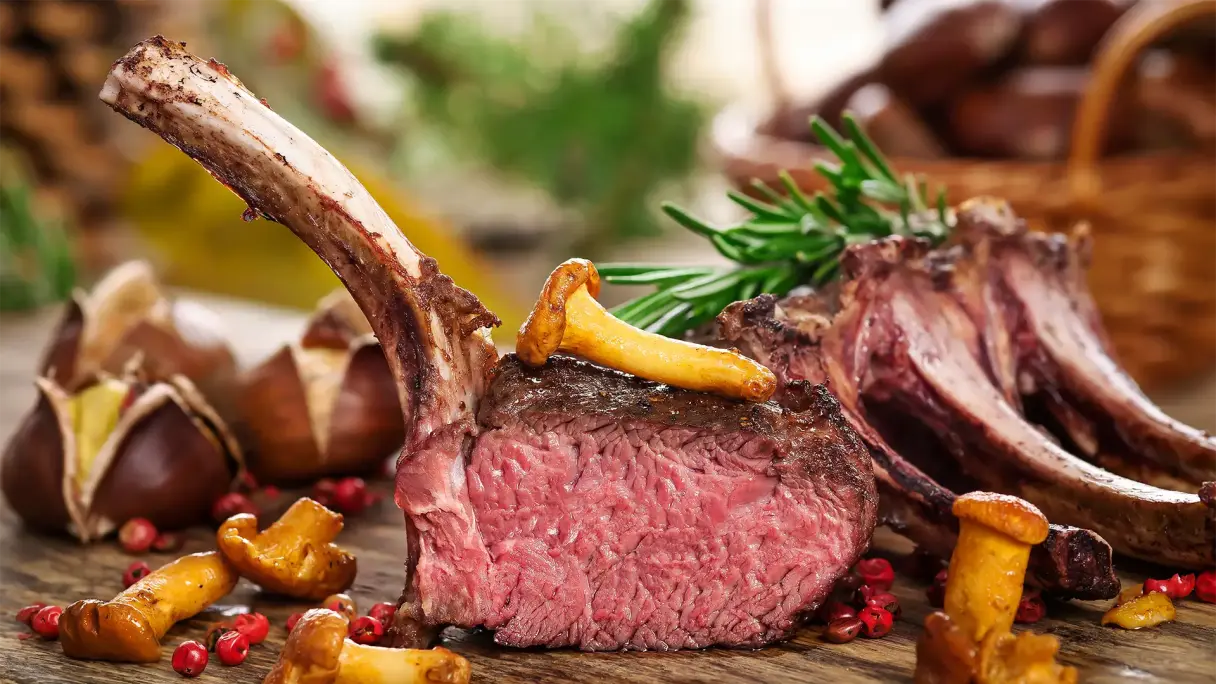
Game: full of nutrients, low in fat and a real treat when stored correctly
Low-fat, fine-grained, with a firm texture and a red, reddy brown or typical poultry colour: Game meat has some consistent characteristics. The low fat content is due to the animals’ high amount of activity in the wild. At the same time, the fat it contains consists of up to 65 % important unsaturated fatty acids, including highly beneficial omega-3 fatty acids. This favourable fatty acid content can possibly be traced back to the high amount of wild herbs consumed by animals living in the wild. A high protein content also makes game easy to digest. It is also rich in vitamins, minerals and trace elements such as iron, zinc, selenium and vitamin B12. Game is also low in calories: Depending on the type of animal, it provides an average of only about 100 to 150 kilocalories per 100 grams. Due to its low fat content and high protein content, it is ideal for a health-conscious diet.
Red meat in particular contains a high amount of iron. As this substance is necessary for blood formation, a regular supply should be ensured via our diets. However, too much iron increases the risk of cardiovascular diseases, diabetes and possibly even bowel cancer. Therefore, you should keep your consumption of game meat to a moderate level.
Use a cool bag to transport the meat and store it immediately in your fridge when you get home. Meat will usually keep for a maximum of one dayin a conventional fridge compartment. The BioFresh Meat & Dairy safe is the ideal place to store it. The freshness of game can be maintained for up to six days here thanks to low humidity and a temperature of just above 0 °C. However, you should not take any risks, especially with meat, and consume it as soon as possible. Alternatively, game can be frozen for nine months without losing any of its nutritional value. However, if left in the freezer for too long, it will become dry and stringy. The meat must not be washed or marinated before freezing.
*All specifications given are to be considered as guideline values, and depend in each case on the type of food and on the proper storage without interruption of the cold chain from harvest/production through to the Liebherr appliance. Should food products have information about minimum shelf life, the date on the packaging always applies.