Figs: calories and nutritional values of exotic fruits
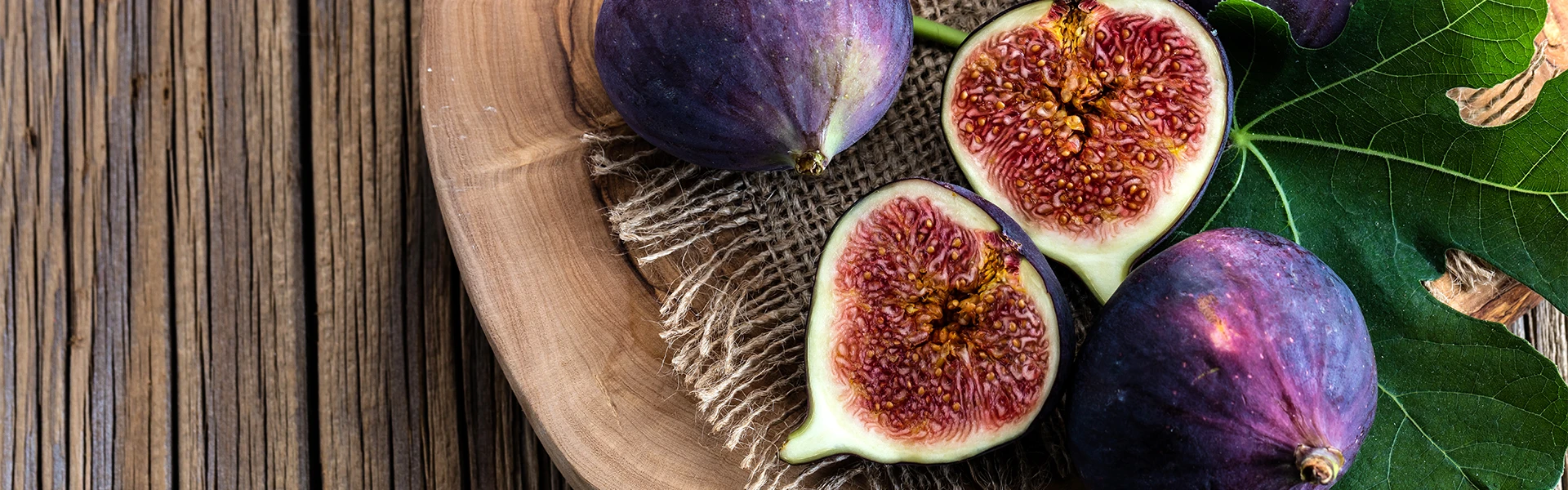
Figs were already being cultivated thousands of years ago in what is today Turkey and the Middle East. The fig is considered to be the first plant ever cultivated by humans. In addition to their history, figs are also appealing for their calorie content. After all, the fruits are quite sweet. We reveal the calorific and other nutritional values of figs.
Storage time*
| BioFresh Fruit & Vegetable safe just above 0 °C with low humidity | 7 days |
| EasyFresh safe 7 °C with air regulation plate | 3 days |
| Fridge compartment 7 °C | 2 days |
| Freezer compartment -18 °C | 12 months |
The key points
- Calorie content varies greatly: Fresh figs contain approx. 70 kcal/100 g, while dried figs contain around 275 kcal/100 g.
- Rich in nutrients: Figs provide fibre, vitamins (A, B, K) and minerals such as potassium, calcium and magnesium.
- Health benefits: Figs can aid digestion, have antioxidant properties and inhibit inflammation.
- Storage information: Fresh figs are sensitive to pressure and perish easily – best stored in the fridge; dried figs have a significantly longer shelf life.
What exactly is a fig – and how many varieties are there?
The fruit of the tree of the true fig (Ficus carica) are what we generally call figs. Only the female plants produce the fruits we so enjoy eating. Around 700 different varieties of edible figs can be distinguished – with different colours, shell thicknesses and variations in flavour. You can eat figs both fresh and dried.
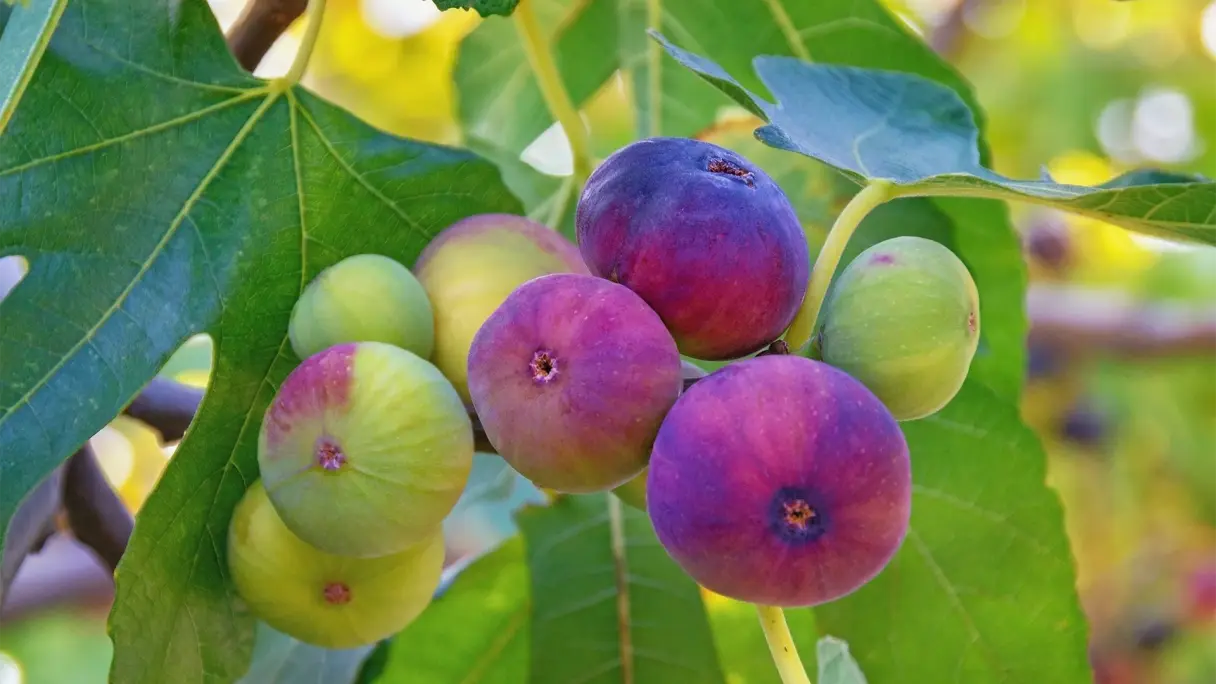
What nutritional values do figs contain?
Fresh figs contain around 70 calories per 100 g, yet are still a sweet treat. Fresh figs already contain 16 % carbohydrates, mainly glucose and fructose. But dried figs exceed this by far. They contain over 60 % carbohydrates, so they are a real sugar bomb. This also means that dried figs contain more calories: around 275 kcal per 100 g. The good news: The fibre content is also quite high thanks to the numerous seeds, and figs also contain many minerals and vitamins.
The skin of the fresh figs can also be consumed without any problems. But sometimes it is quite thick and leathery (depending on the variety). In this case, it tastes better if you remove the skin.
How healthy are figs?
Figs can have health benefits. They contain a lot of fibre, which stimulates digestion and can prevent constipation. Their high antioxidant content, particularly polyphenols, can help reduce cell damage. They also provide important vitamins such as vitamins A, B and K, as well as minerals such as potassium, calcium and magnesium, which can be good for the heart, bones and muscles. Figs also have a low glycaemic index, which can help keep blood sugar levels stable. Their secondary plant compounds can have anti-inflammatory effects and strengthen the immune system. Whether fresh or dried: Figs may be high in calories, but are a nutritious addition to a balanced diet.
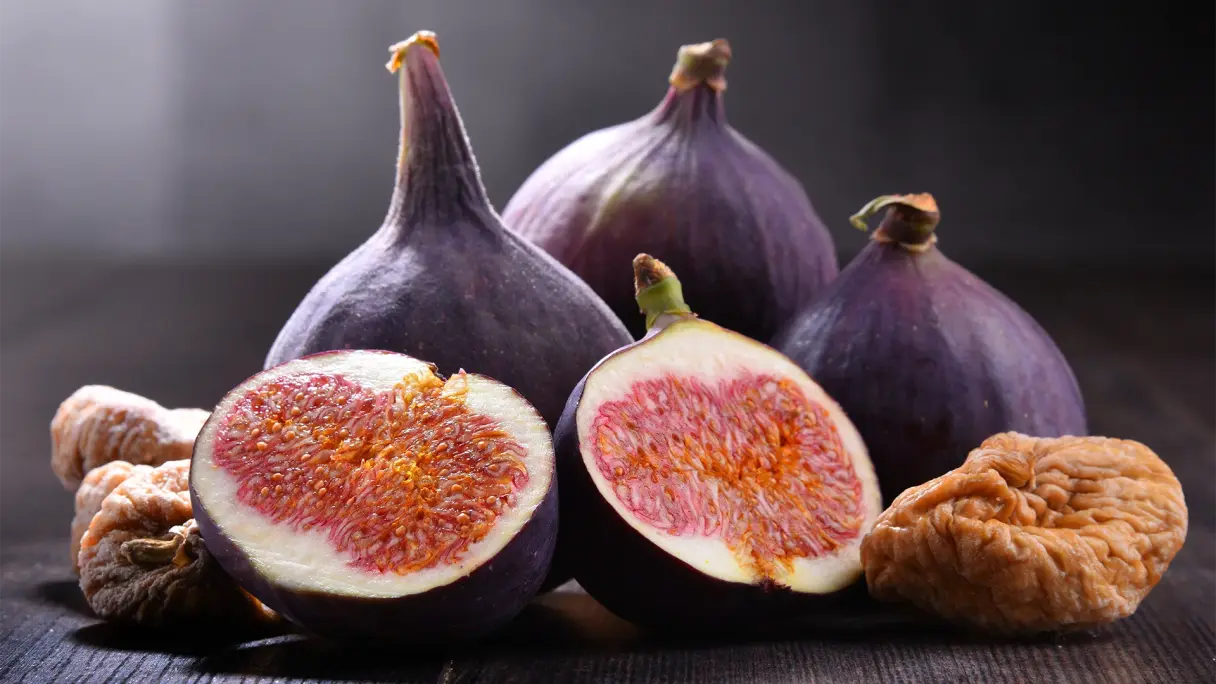
What should you look for when buying figs?
When buying figs, you should make sure that the fresh fruit is soft and not damaged. If a few drops of sugar water escape at the base of the stem, this is a sign that the fig is ripe. If the fruits have an acidic smell, they are usually too old; the smell is a sign of fermentation.
How can you preserve the freshness and nutritional value of figs?
Fresh figs are rather delicate plants: they are extremely pressure-sensitive and spoil easily. It is best to store fresh figs in the BioFresh Fruit & Vegetable safe of your Liebherr appliance. Due to the high humidity and temperatures just above 0 °C, the figs keep here for about seven days. However, they will only keep for two days in a normal fridge at 7 °C. In order for the aromas to develop fully when you enjoy them, you should remove the figs from the fridge some time beforehand so that they can reach room temperature.
Dried figs are much less problematic in terms of storage. Since their moisture content has been reduced from around 80% to just 25%, they are immediately much less susceptible to spoilage. Although the drying process increases the calorie content of the figs, they keep for much longer.
*All specifications given are to be considered as guideline values, and depend in each case on the type of food and on the proper storage without interruption of the cold chain from harvest/production through to the Liebherr appliance. Should food products have information about minimum shelf life, the date on the packaging always applies.