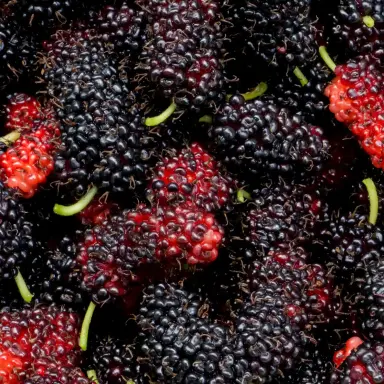
Blueberry: nutritional values and vitamins of the fruit
These small, blue berries are full of flavour, but blueberries are also full of nutritional values and vitamins. The small berries make exceptional snacks. Read on to discover the nutritional value of blueberries and how they can benefit your health.
Storage time*
| BioFresh Fruit & Vegetable safe just above 0 °C with high humidity | 9 days |
| Fridge compartment 7 °C | 3 days |
| Freezer compartment -18 °C | 24 months |
The key points
- Low in calories and rich in nutrients: 100 g blueberries contain only 36 calories, as well as a high volume of water and dietary fibre, vitamin C, vitamin K and manganese.
- Antioxidant pigment: the blue plant pigment anthocyanin can support cell health and reduce oxidative stress.
- Health benefits: anthocyanin, vitamin C and iron can promote blood production and have anti-inflammatory properties.
What nutrients and vitamins do blueberries contain?
100 g fresh blueberries contain 36 calories and consist of around 85 % water, making them very low energy. Their carbohydrate content is between 7 and 10 g, mainly in the form of fructose. In addition they contain around 2 g dietary fibre that helps you feel full. They are also very low in fat and protein.
In terms of micronutrients in blueberries, the vitamin C, vitamin K and manganese contents are particularly impressive – all present in moderate amounts to help contribute to a varied diet. All in all, blueberries are tiny bursts of taste with excellent nutrition.

What makes blueberries so healthy?
In addition to valuable nutrients in blueberries like vitamin C and carotene, above all the blue pigment anthocyanin has a notable effect: Together with vitamin C and iron, this plant pigment aids blood production. It can also help dilate blood vessels, meaning blueberries can have a positive impact on your health. Anthocyanins are also antioxidants, which intercept free radicals in the body and can protect cells from oxidative stress. This can help long term by slowing the ageing process and lowering the risk of certain chronic illnesses.
There are also indications that blueberries may improve your memory and have anti-inflammatory properties. The nutritional value of blueberries make them a popular part of a balanced and healthy diet.
Where do blueberries come from – and why are they so blue?
Blueberries are a part of the heather family. They are found in northern Europe, Asia and America, growing in moors, shady forests and on heaths.
Anyone who’s ever snacked on a blueberry almost certainly knows what it’s like to have a blue-stained mouth. This is because the wild fruit contains pigment that easily transfers to your tongue and lips. Its colour makes it particularly fun as a decorative smear on the plate.
What should you look for when buying blueberries?
If you want your blueberries to be as fresh as possible when you eat them, make sure there are no mouldy ones hiding when you buy them. After purchase, be careful transporting the blueberries as they are very delicate and easily damaged.
You should store blueberries in the fridge. They will keep fresh there for up to three days. In the BioFresh Fruit & Vegetable safe in your Liebherr appliance, they will keep for as much as up to nine days. This compartment offers high humidity and temperatures just over 0 °C – ideal for fruit and vegetables. If you want to enjoy your blueberries and their nutrients for even longer, you can simply freeze them.
*All specifications given are to be considered as guideline values, and depend in each case on the type of food and on the proper storage without interruption of the cold chain from harvest/production through to the Liebherr appliance. Should food products have information about minimum shelf life, the date on the packaging always applies.