Integrating sustainable nutrition into your everyday life
Are you looking for a path to a sustainable diet? Making a conscious choice to purchase unpackaged and regional food can also help to save resources. Correct storage is also crucial. If food stays fresh for longer, food waste can be avoided. Here you’ll find tips on how to take a more sustainable approach to your nutrition that you can integrate into your everyday life.
The key points
- Sustainable nutrition means choosing foods that require few resources for their cultivation, processing, consumption and disposal.
- The focus is on plant-based, seasonal, and regional products with a low CO2 footprint.
- Proper storage helps to prevent food waste.
- Modern fridges and freezers assist with reducing energy consumption.
Sustainable nutrition: why it’s important for you
Food production has a significant impact on our ecological footprint. By choosing regional and seasonal products, you can reduce your environmental impact. Fresh, unprocessed foods also contain more vitamins and minerals, which has a positive effect on your health. A plant-based diet rich in vegetables, fruit and wholegrain products not only supports your well-being but also helps to conserve natural resources.
How can you integrate sustainable nutrition in your everyday life?
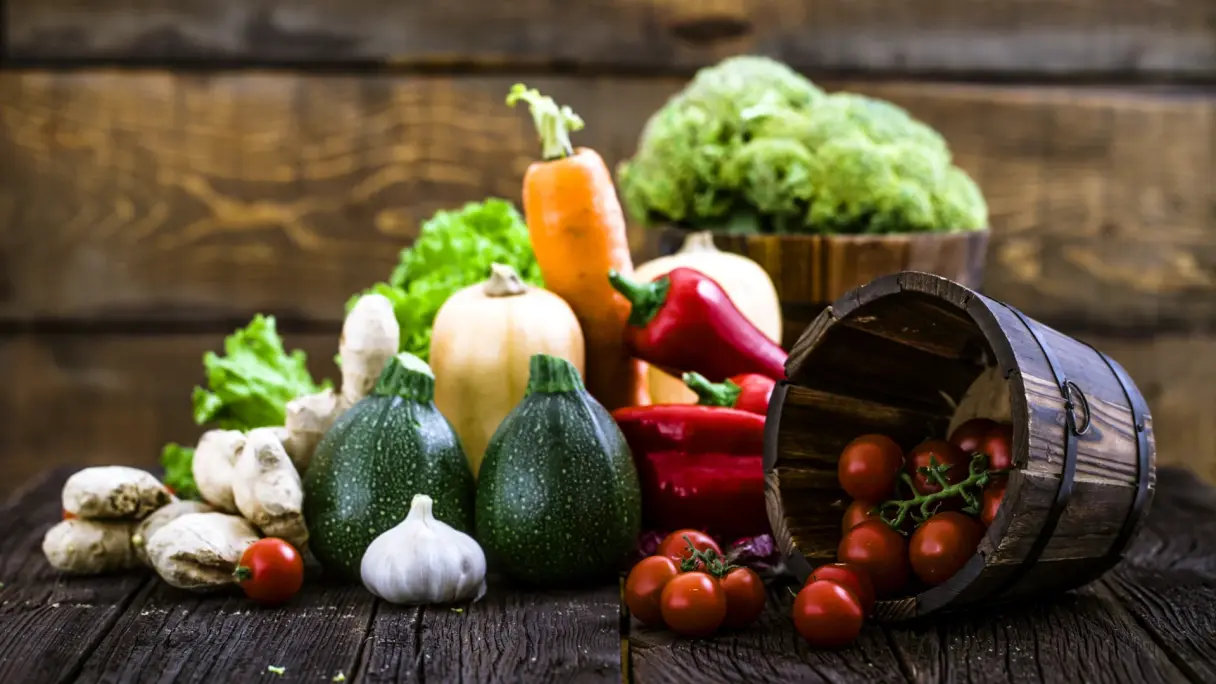
Plant-based nutrition and the climate
Animal products require the use of more resources than plant-based foods. The plants that grow in the fields can usually be eaten raw or after briefly cooking or frying them off without any concerns.
Animal foods…
- consume plant products to feed the animals and large quantities of water.
- require additional capacity for housing,transport and slaughter.
- for example, require many times the amount of milk to produce butter or cheese, so more resources are used here too.
- emit greenhouse gases through the animals themselves.
Ultimately, the bottom line is that consumption of high amounts of animal products is associated with large quantities of land and resources being used, use of fertilisers, and consumption of high amounts of fat.
Cooking sustainably: how does it work?
Climate-friendly cooking begins with the selection of ingredients. In addition to organic food, particular attention should be paid to the regionality and seasonality of the ingredients. You should also avoid highly processed convenience foods, as their production is often very resource-intensive. Instead, you should regularly cook fresh food yourself. To save the energy used on the stove and oven, it’s worth preparing a dish in larger quantities to last several days.
Proper storage is crucial for keeping food fresh for longer and avoiding unnecessary waste. An energy-efficient fridge ensures that fresh ingredients retain their nutrients and premature spoilage is prevented. Special freshness zones such as a Meat & Dairy safe help ensure that sensitive foods are stored in the optimum way. This makes it easy to store prepared meals and enjoy them when needed.

Climate-friendly nutrition – which foods are the most sustainable?
| Food | Sustainability aspect | Advantages |
|---|---|---|
| Lentils | Require little water and energy to grow | Rich in protein and fibre |
| Tomatoes | Seasonal cultivation reduces CO₂ emissions | High content of vitamins and antioxidants |
| Mussels | Naturally filter the water and do not require any feed | Good source of omega-3 fatty acids |
| Seaweed | Grow quickly and bind CO₂ | Contains many minerals and vitamins |
| Potatoes | Low water consumption and high yields per area | Versatile and nutritious |
FAQ: sustainable nutrition
Start with small steps by favouring regional and seasonal products and reducing your consumption of animal products. Choose unprocessed foods, avoid food waste, and store your groceries properly to extend their shelf life.
A sustainable diet includes environmentally friendly, nutrient-rich foods that are as unprocessed as possible. These include primarily plant-based products such as fruit, vegetables, pulses and whole grains, as well as fairly traded foods and foods produced with efficient use of resources.
Environmentally friendly fruit is seasonal, regionally grown, and has short transport routes. Dried fruit or frozen fruit without additives can also be a sustainable out-of-season alternative.