Non-alcoholic beverages: alternatives for any occasion
Whether it’s a visit to a restaurant, a barbecue or a party at a friend’s house: the demand for innovative non-alcoholic beverages is growing. Instead of sugar-rich lemonades or juice spritzers, the focus is on healthier, more flavoursome alternatives to alcohol. We’ll reveal the best alternatives – ideal for sociable gatherings and healthy indulgence!
The key points
- Diverse selection for every occasion: from non-alcoholic sparkling wine and mocktails to fermented drinks and creative hot drinks, there are numerous alternatives.
- Simple recipes to copy: you can make delicious, non-alcoholic drinks yourself with just a few ingredients – for social gatherings or special occasions.
- Trendy and suitable for everyday use: the shift towards alcohol-free moments of pleasure can be seen in bars, restaurants and at home – without compromising on flavour.
Non-alcoholic drinks are healthy, delicious and wholesome
Of course you want to lead a healthy lifestyle, but you don’t want to miss out on pleasure either. Developments in society and flavour are contributing to their increasing popularity.
| Health benefits of non-alcoholic alternatives: | Changing the culture of enjoyment: | Flavourful variety and new innovations: |
|
|
|
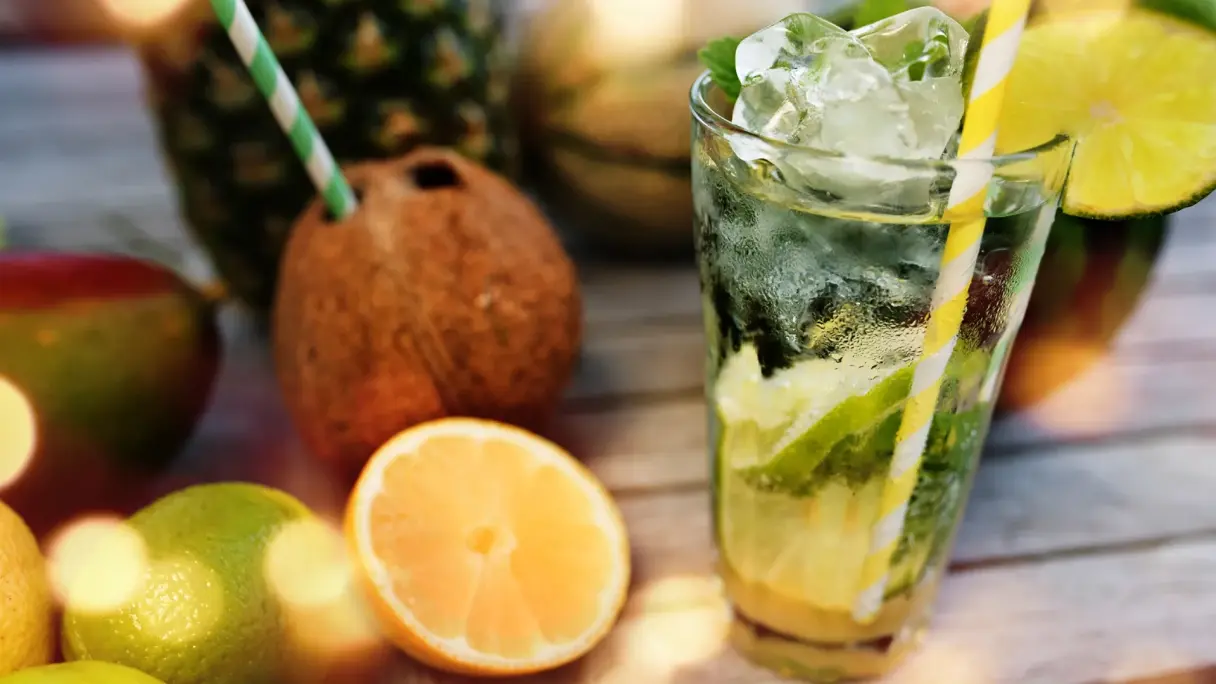
Creative non-alcoholic beverages for various occasions
Non-alcoholic alternatives offer a wide range of flavours for every occasion. Whether it’s an aperitif, cocktail, a warming winter drink or wine, discover popular alternative drinks here:
Fine alternatives for an aperitif:
A successful aperitif awakens the senses and sets the mood for the evening. Alcohol-free champagne and sparkling wines offer sparkling freshness and an elegant touch – perfect for festive occasions. If you prefer something more bitter, opt for bitter aperitif drinks containing herbs and spices. They are reminiscent of classic Vermouth or Campari variants, but with ingredients such as gentian, wormwood or orange peel, they bring an unmistakable flavour to the glass.
Creative alternatives for cocktails and long drinks:
Cocktail fans don’t have to give up complex drinks. Mocktails with fresh ingredients – such as a Virgin Mojito or non-alcoholic Negroni – impress with their balance and sophistication. Fermented drinks such as kombucha or shrubs (vinegar-based fruit extracts) also provide an aromatic depth and surprise with their exciting flavour compositions.
Beer and wine alternatives without alcohol:
There has long been more than just the classic non-alcoholic Pilsner: hop lemonades and non-alcoholic craft beers offer new flavours, from fruity to malty-tart. Even de-alcoholised wine is gaining in quality.
Warming alternatives for the winter:
When the temperatures drop, hot drinks are very popular. Alcohol-free mulled wine and punch bring the cosiness of winter to your glass without making your head pound the next day. Tea-based hot drinks containing spices such as cinnamon, cloves or cardamom provide aromatic warmth.
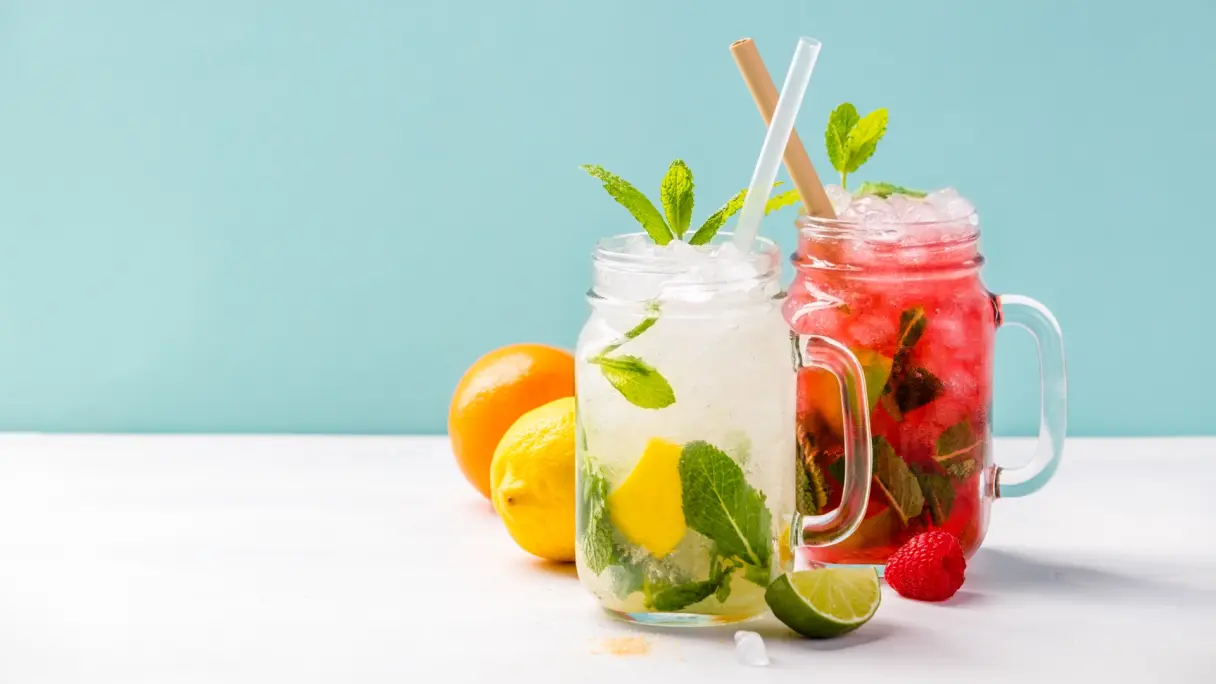
Make healthy drinks yourself
Would you like to drink something healthy besides water? Then listen up! Homemade drinks are firstly delicious and secondly free from artificial additives. This simple basic recipe can be used to customise any water.
Basic recipe: flavoured water
- Ingredients: 1 litre of still or sparkling water, fresh fruit, herbs, spices
- Preparation:
- Slice the fruit and lightly press the herbs into the fruit.
- Pour everything into a carafe and top up with water.
- Leave to infuse in the fridge for at least 30 minutes – longer if you want a more intense flavour.
Variants & ideas:
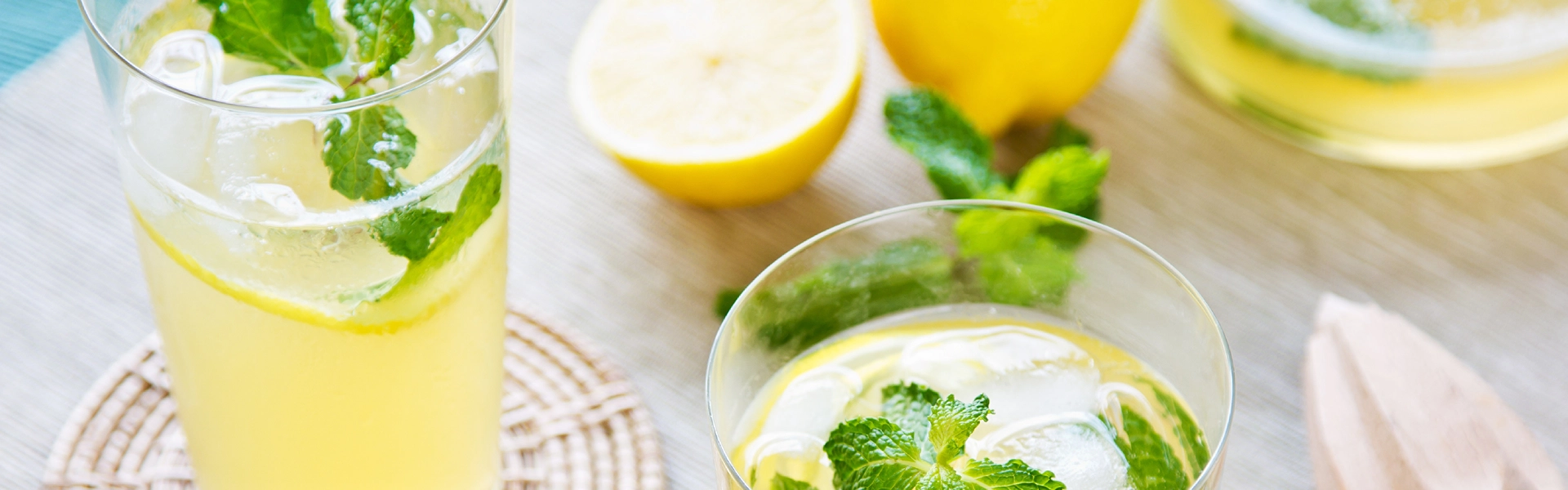
- Refreshing: lemon + mint + cucumber
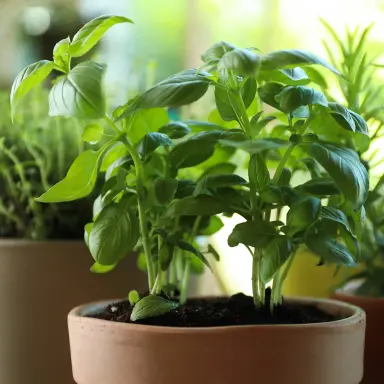
- Fruity: orange + raspberries + basil
- Exotic: pineapple + coconut water + ginger
- Warming: apple + cinnamon + cloves (with hot water)
FAQ: non-alcoholic beverages
To preserve the flavour, they should be stored in a cool, dark place, ideally at 5–10 °C in a fridge or wine cooler. Once opened, most products will keep for 3–5 days if they are well sealed.
De-alcoholised wines are ideal for sauces or risottos, while non-alcoholic beer alternatives add a refined touch to roasts or marinades.
Not always! Many de-alcoholised wines, beers or spirits contain up to 0.5 % residual alcohol, but this is harmless for most people. If you don’t want to consume any alcohol at all, you should look specifically for ‘0.0 %’ products.