
Recycling
This is not the end
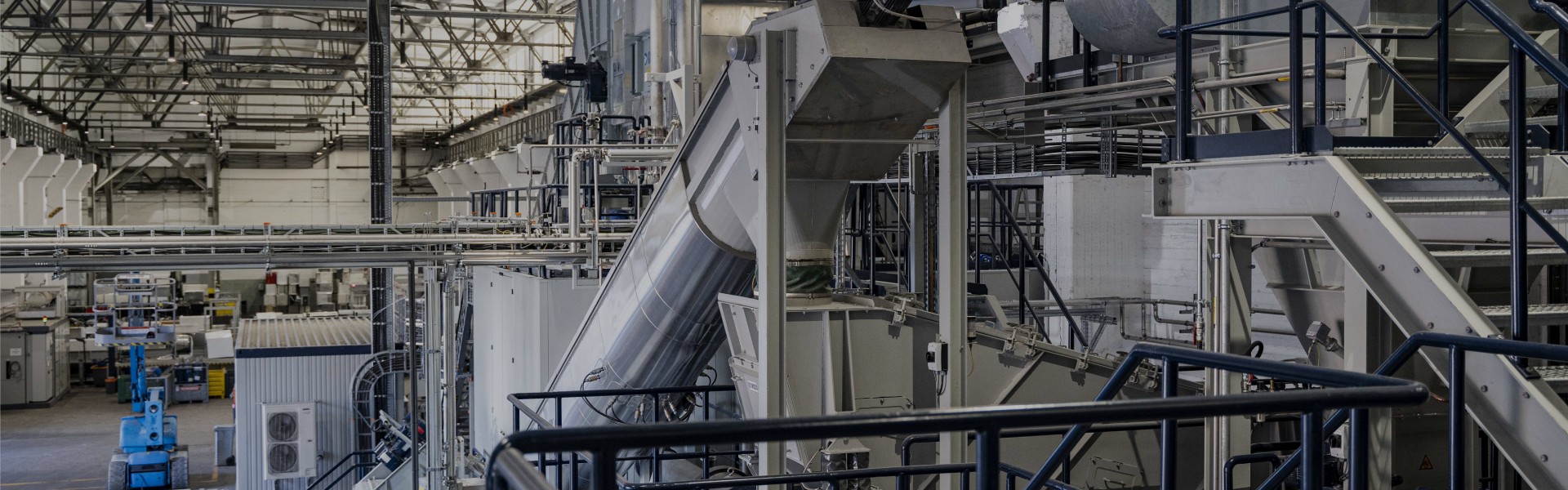
The status of our recycling efforts. What happens when an appliance reaches the end of its lifecycle? It is the all-important question, we continuously ask ourselves and which drives our commitment to recycling and minimising environmental impact. We comply with regulations and work with waste management experts to recover valuable materials like recycled steel, while also addressing food safety and availability of high-quality recycled plastics.
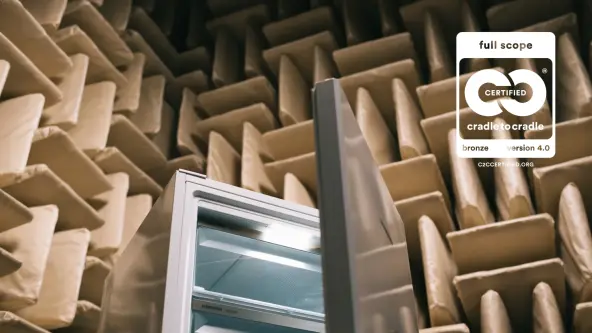
We continually improve our designs for easier dismantling and material recovery, highlighted by our patented BluRoX technology, a key step towards a circular economy. Additionally, we design appliances to last at least 15 years, which reduces waste and conserves resources, ultimately lowering environmental impact throughout their lifecycle.
The status and future of our recycling efforts

What end users need to keep in mind
Recycling batteries and light sources
Important information about batteries
Some appliances contain batteries that must be removed before disposal. Owners are required to separate these batteries and recycle them properly. For detailed disposal guidelines check with the respective authority in your region, conserving resources and reducing environmental impact.
Lithium batteries
Appliances with lithium batteries have a specific symbol. Tape over the terminals before disposal to prevent short circuits. For detailed disposal guidelines check with the respective authority in your region.
Light sources
If an appliance contains user-replaceable light sources, remove them before disposal and take them to a recycling or waste collection point. Check the operating instructions for details on removal. LEDs can remain in the appliance.
Responsible disposal of old appliances
Old appliances should be disposed of responsibly through municipal collection points or retail take back programs. Check with your local authorities for details applicable in your area.
Our commitment to responsible recycling
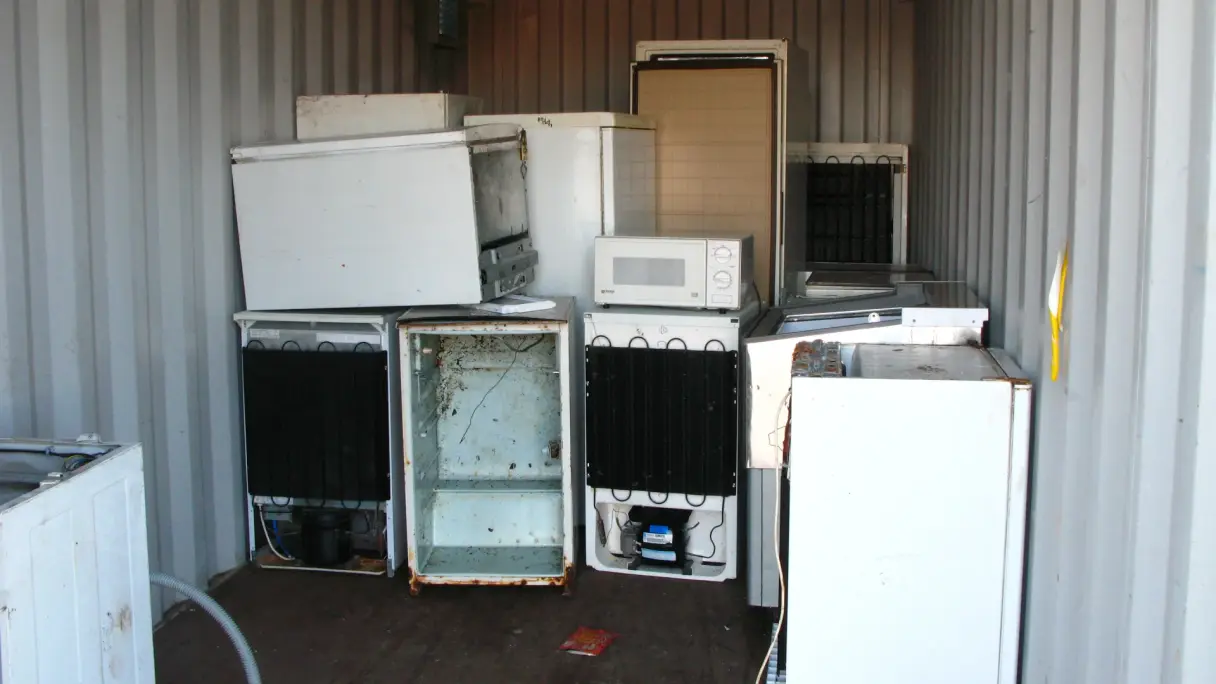
Once old appliances are returned, we take responsibility for recycling them. We ensure compliance with environmental regulations through contractual agreements and regular audits of recycling facilities. If any facility is non-compliant, we take corrective actions, including suspending deliveries. Strengthening collaboration between manufacturers and recyclers is essential to meet evolving regulations effectively.
According to Article 15 / WEEE directive, manufacturers must provide information to treatment facilities free of charge. This information is intended to facilitate the treatment and reuse of WEEE. In addition, manufacturers must provide information on hazardous substances and mixtures. To this end, manufacturers provide the relevant information in the i4R platform, which is operated by the WEEE Forum.
To promote effective recycling of old appliances, we engage actively with the recycling industry. Since 2018, we've shared recycling information via the i4R database by APPLiA.
Our appliances feature stickers to assist recycling plants. A blue sticker indicates the presence of vacuum insulation panels (VIPs), which are not externally visible. Most recycling plants can handle VIP appliances, although some may need upgrades. Another sticker identifies compressors with high-viscosity oils for safety during recycling. We collaborate on committees and research projects to provide recyclers with the necessary information to meet legal standards and enhance recycling quality.
Once we take back appliances, we ensure they are recycled in an environmentally friendly manner, complying with legal and normative requirements, including EN 50625-2-3 and CLC/TS 50625-3-4.
In Germany, manufacturers, not public systems (PROs), oversee disposal, with waste companies inspected by the state and manufacturers. Since 2007, our quality assurance system has monitored the recycling process, conducting regular audits to ensure compliance. Non-compliance can result in penalties, including delivery cessation.
Implementation of the WEEE Directive
The recycling process in the EU is regulated by the WEEE Directive, aimed at recovering valuable materials, safely disposing of hazardous substances, and minimising environmental impact. The directive requires EU member states to implement national legislation to ensure the proper disposal of electrical appliances.
A key principle of the WEEE Directive is Extended Producer Responsibility (EPR), which requires manufacturers to ensure the proper disposal of consumer and commercial appliances. They cover the costs for collection, recycling, and environmentally sound processing. Retailers must also accept old appliances when consumers purchase new ones.
Additionally, product design is crucial; manufacturers should create appliances that are easy to disassemble and recycle, which enhances recovery efficiency and minimises environmental impact.
The WEEE Directive distinguishes between consumer (private use) and commercial (business use) appliances, with different responsibilities.
Consumer appliances
Consumers must properly dispose of old appliances by returning them free at authorised collection points. Manufacturers should create easy and accessible collection systems for returns.
Professional appliances
Proper disposal of professional appliances is crucial for environmental protection, resource conservation, and accurate reporting. Since January 1, 2022, manufacturers must provide a return option for their appliances and cover disposal costs.
When purchasing a professional appliance, commercial customers can return a comparable old unit for free disposal, even if it's from a different brand. This does not apply to non-refrigeration appliances like dishwashers or washing machines. Exception: professional appliances sold before August 15, 2018, are exempt from free disposal.
We process returned appliances in certified facilities, exceeding legal recycling quotas, which aids in reporting to authorities and public environmental statistics.
Important for commercial customers
Commercial customers are not obligated to return old appliances to the manufacturer. If they choose alternative disposal methods, they are responsible for ensuring compliance with waste regulations, including preparation for reuse, correct treatment, and meeting recycling quotas.
Arrange a Return
Return requests must be made at the time of purchase of the new professional appliance. For assistance, please reach out to customer service.
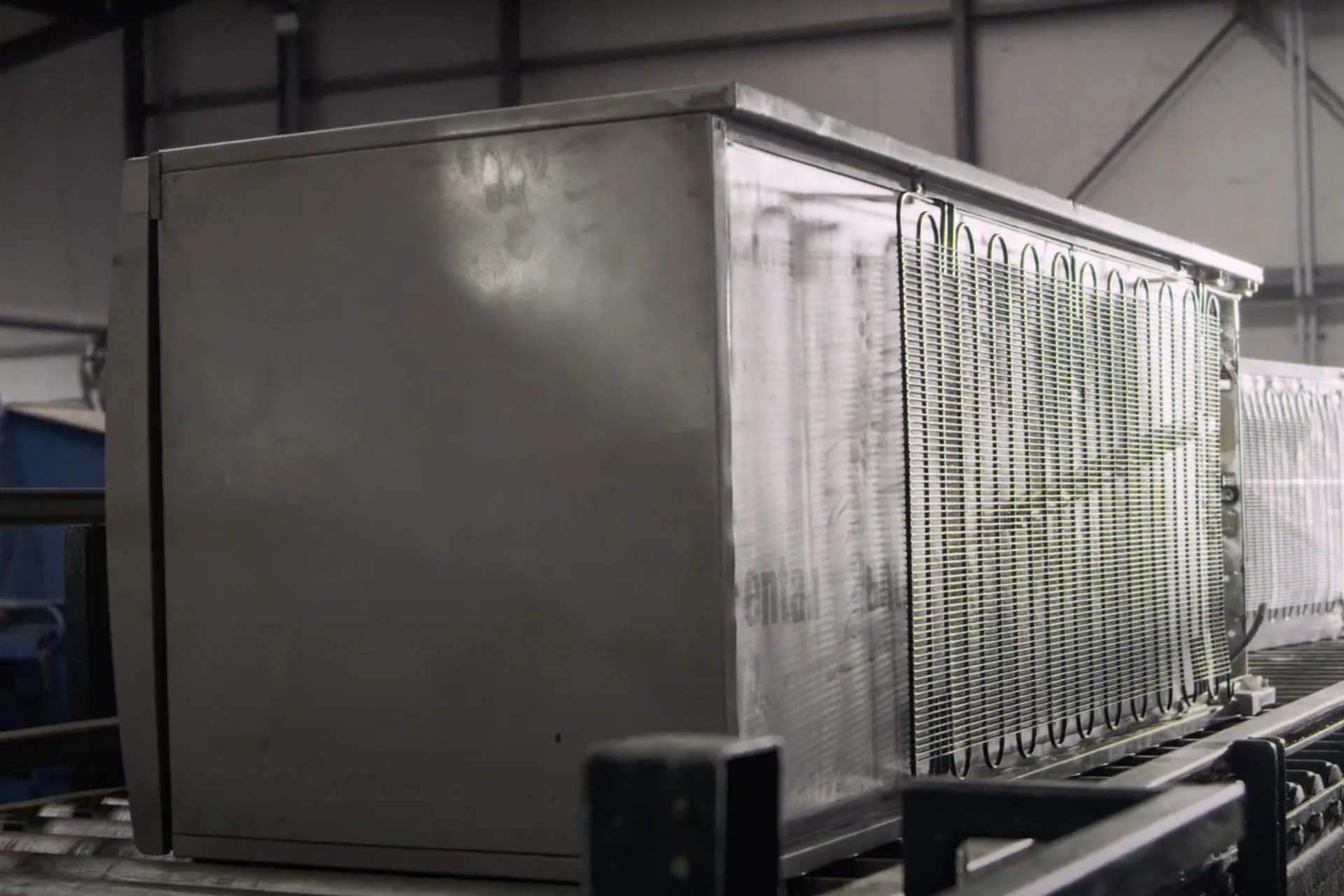
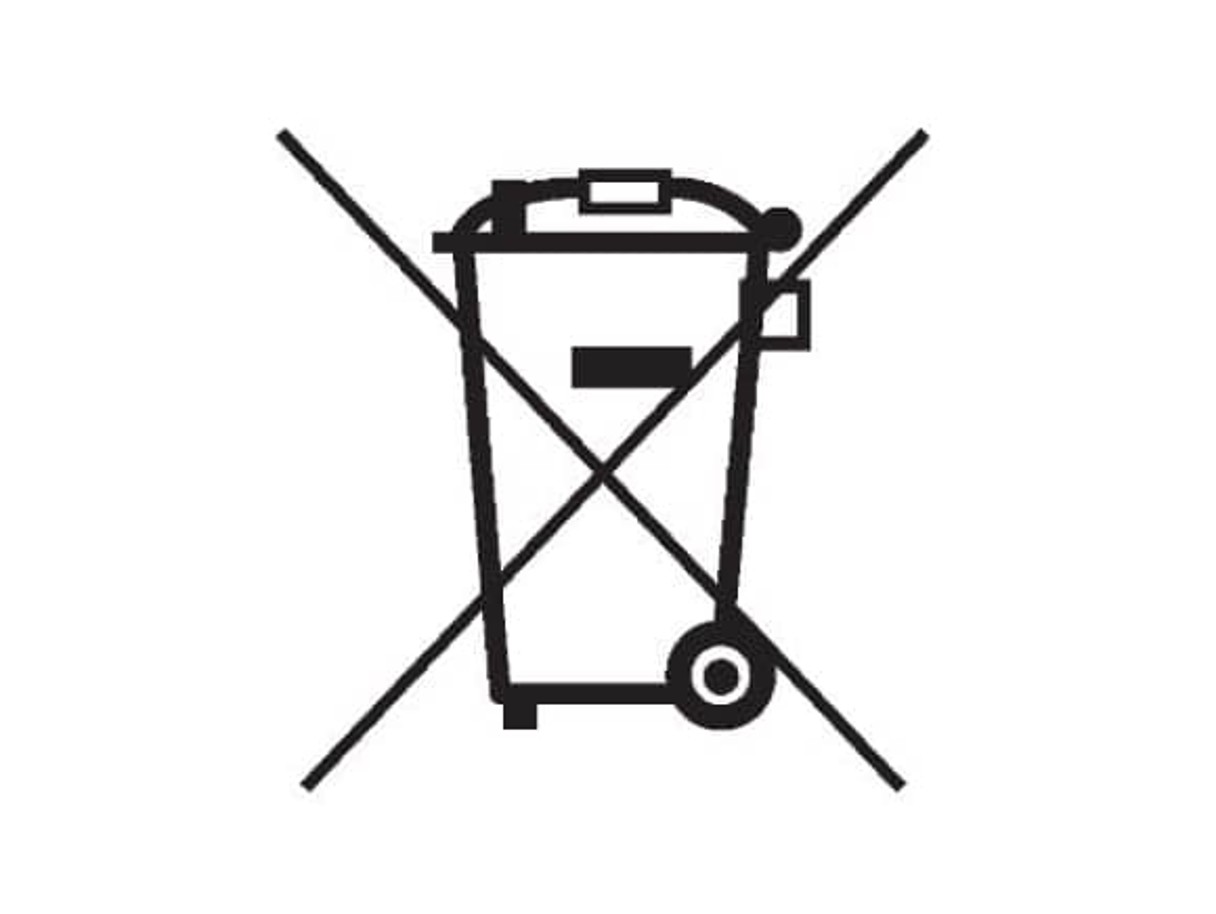
To ensure responsible disposal, old appliances should be processed by waste category (e.g., Group 1: Heat Exchangers). Keep cooling circuits intact to prevent refrigerant leaks. Cooling and freezing appliances cannot be discarded as household waste, as indicated by the crossed-out bin symbol. Before disposal, appliances should be emptied of goods or waste, but standard accessories like drawers and shelves can stay inside.
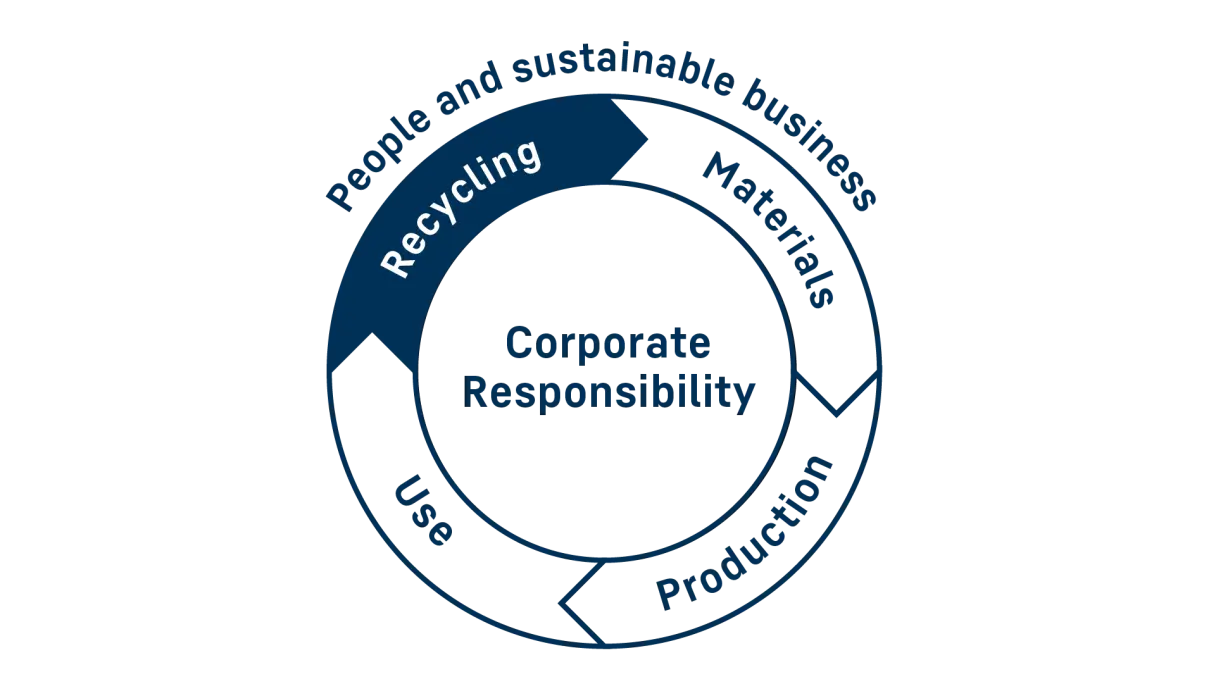
Corporate Responsibility documentation 2024
For more comprehensive insights, data and in-depth details, see our full Corporate Responsibility documentation.
Continue reading

Materials
We are dedicated to reducing the ecological impact of our operations by preparing products for the circular economy.
Production
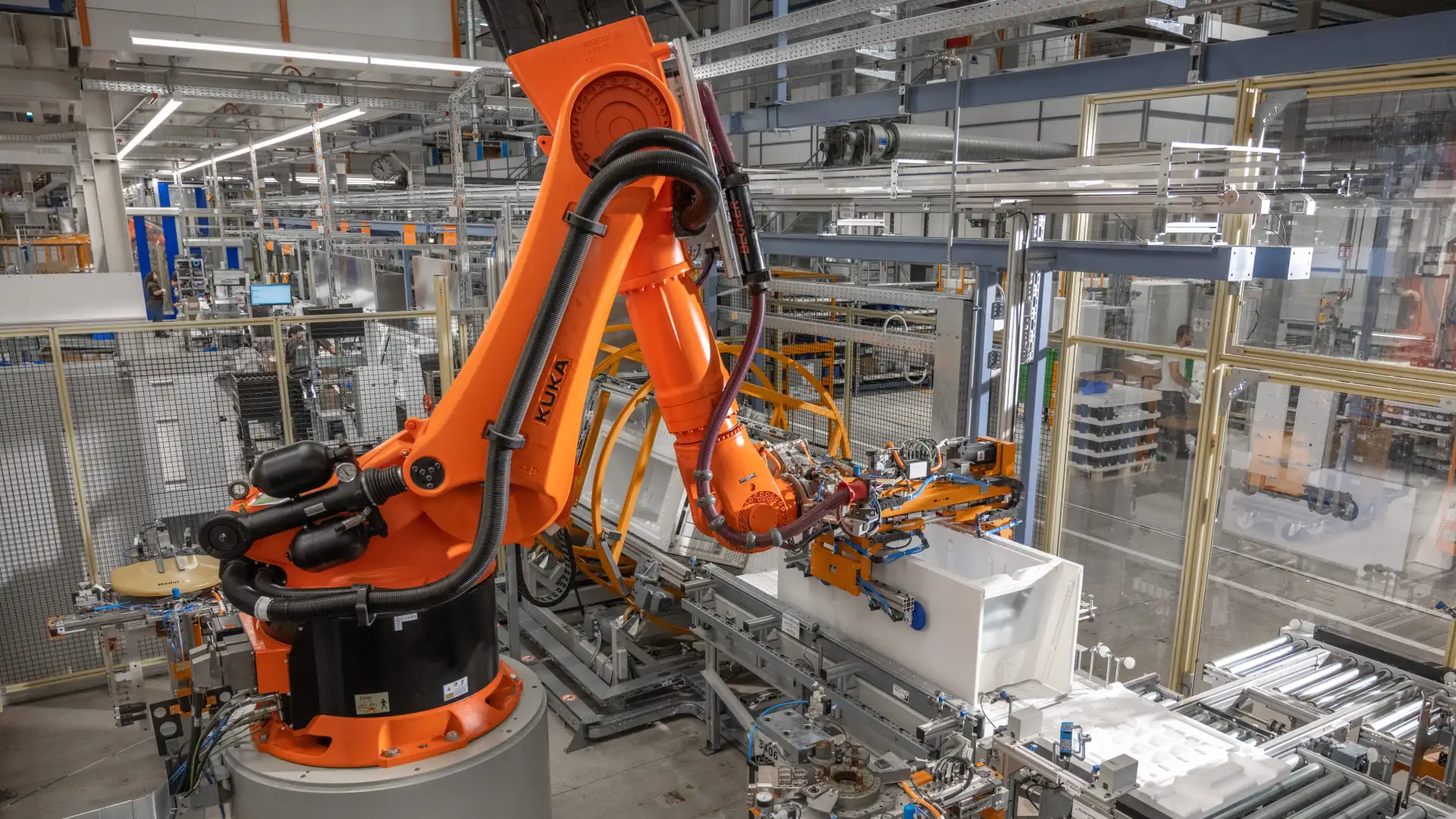
We prioritise environmentally conscious production with the help of a wide range of measures.
Use
The use phase has the greatest environmental impact in an appliance’s lifecycle. We ensure our appliances deliver sustainable performance every day.