

Kale season: the green superfood for the winter
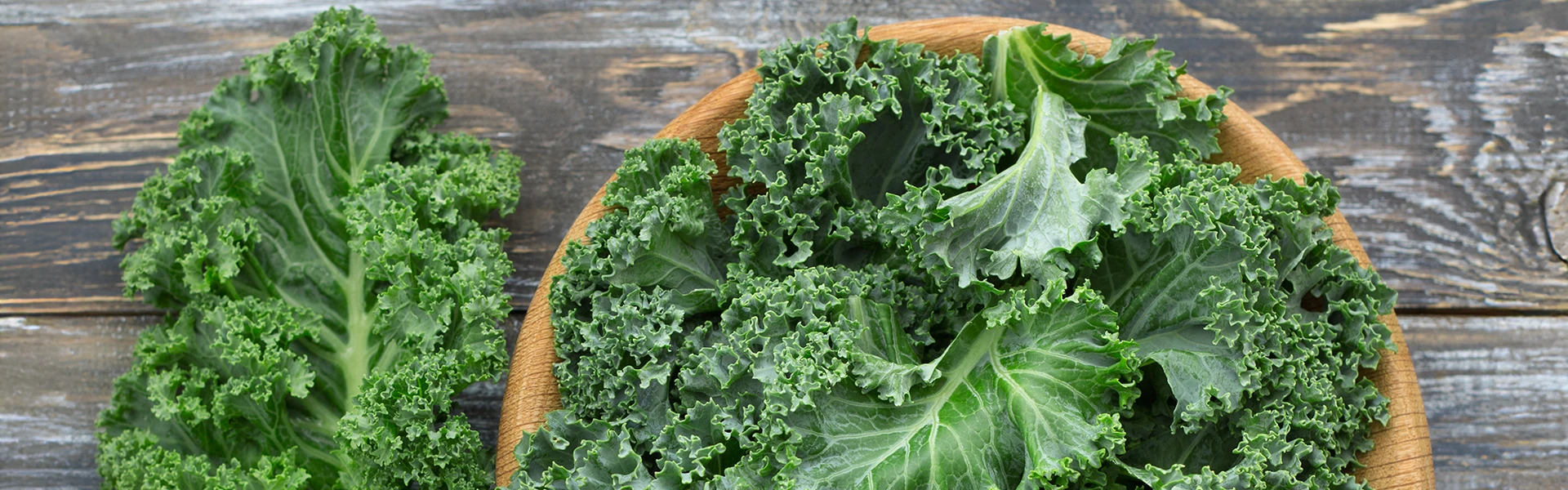
Kale is one of the most popular winter vegetables. But why does the constant enthusiasm for the curly vegetable show no sign of abating? Perhaps it’s because it has developed from being a traditional classic into a trendy superfood. We explain here what this is all about and what kale has to offer.
Storage time*
| BioFresh Fruit & Vegetable safe just above 0 °C with high humidity | 14 days |
| EasyFresh safe 7 °C with air regulation plate | 8 days |
| Fridge compartment 7 °C | 6 days |
| Freezer compartment -18 °C | 9 months |
The key points
- Kale season runs from November to February.
- Rich in micronutrients: beta-carotene, vitamin K, C, calcium, iron, magnesium, potassium
- Kale has a high-quality protein profile.
- Kale contains lots of fibre.
- Recommended way to cook it: steam and blanch.
- Kale powder is great for adding to smoothies.
- Raw kale goes really well in salads or smoothies.
- Kale contains small quantities of goitrogenic substances.
Kale – vitamins and nutrients
Kale, also known as brown cabbage or curly cabbage, belongs to the family of brassicas and is a popular vegetable, especially during the winter. Its origin can be traced back to ancient times, when people used it as a medicinal plant. In Germany, it became an established food in the 16th century.
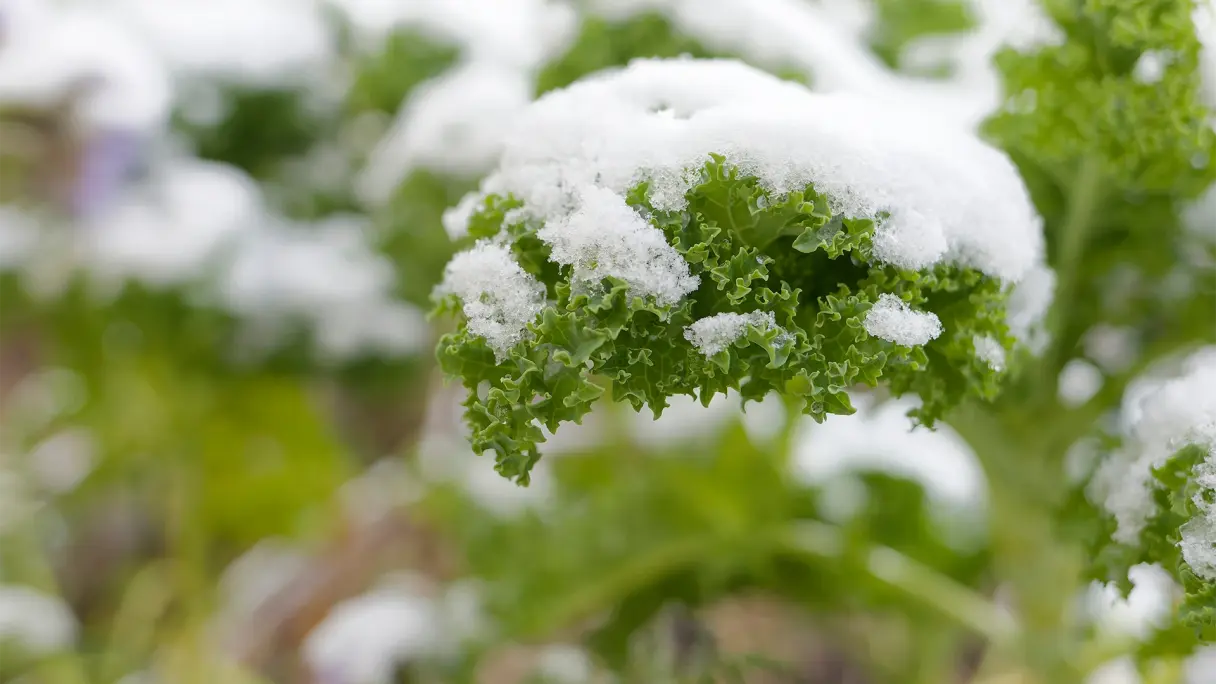
The main season for kale is between November and February. It was traditionally assumed that kale doesn’t really taste that good until after the first frost because the cold converts the starch content into sugar, giving it a milder flavour. However, modern varieties no longer need a frost to develop their full aroma.
Kale is noted for boasting an impressive variety of vitamins and minerals. It contains high quantities of beta-carotene (1447 µg per 100 g), which is converted inside the body into vitamin A, but also vitamin K (817 µg) and vitamin C (105 mg). There are also plenty of vital minerals such as calcium (212 mg), iron (1.9 mg), potassium (490 mg) and magnesium (31 mg).
Thanks to its high content of antioxidants, kale has an anti-inflammatory effect. Its high-quality protein profile is comparable to that of animal protein, which makes it particularly valuable for anyone following a plant-based diet.
With its high fibre content of around 4.2 g per 100 g, kale promotes healthy intestinal flora and supports digestion. Fibre is essential for promoting healthy intestinal activity because it stimulates bowel movements and promotes the proliferation of good gut bacteria. At the same time, kale’s detoxifying properties can contribute to intestinal health because it helps expel harmful substances from the body.
Would you like to eat a healthier diet? Kale is great for a health-conscious diet because of its low calorie content of only around 45 kcal per 100 g. The combination of fibre, protein and micronutrients ensures you feel full for a long time while also supporting your metabolism. With its high content of vitamin C and iron, kale can also promote fat burning and help create a healthy energy balance.
Gentle cooking methods are recommended to preserve the valuable nutrients that kale contains in the best way possible. You should steam or blanch your kale.
You can tell if kale is fresh from its lush green and bright leaves. When you’ve just bought it fresh, it will keep for four to five days. In the fridge, kale will keep for up to a week when packed in a plastic bag or reusable container. In the BioFresh safe, the cabbage will actually stay crisp and crunchy for as long as two weeks. The BioFresh safe can keep the temperature at just above 0 °C and ensure the ideal level of humidity.
Fresh kale is often bought in large quantities. But if you can’t use it all right away, you can pack it in an air-tight container and freeze it. The NoFrost technology will prevent ice from forming in the freezer compartment, ensuring that frozen kale retains its quality.
Kale in a jar and as a powder
Kale remains a healthy choice, even when processed. Kale in a jar is usually precooked, which can cause some heat-sensitive vitamins such as vitamin C and B vitamins to be lost. Nevertheless, it still contains valuable minerals and fibre that support healthy digestion.
Kale powder is a convenient alternative for anyone looking to incorporate the health benefits of this superfood into their daily diet. Particularly in smoothies or as a dietary supplement, kale powder provides a high concentration of antioxidants, which can help to protect the skin. The beta-carotene and vitamins C and E that it contains support cell renewal and can improve your complexion.
Raw kale – healthy or poisonous?
Have you ever eaten kale raw? What’s surprising is that the young kale leaves can also be used raw, for example in a salad. Green smoothies are also very popular at the moment. So it’s really easy for you to add kale to your smoothie. With its versatility and high content of valuable ingredients, kale is a true superfood that should be a real staple of winter cuisine.
Young kale leaves are a great choice for salads and green smoothies. However, kale contains small quantities of goitrogenic substances, which can impair thyroid function if they’re consumed to an excessive extent. But when consumed in normal quantities, raw kale is completely harmless and a healthy enrichment for any diet.
From a traditional vegetable side to a trendy, fresh drink. Kale can be used to prepare a plethora of culinary delights. But to really enjoy kale at its best, it needs the right seasoning.
The traditional German method of preparation with smoked sausage, “pinkel” or bacon usually needs salt, pepper and a pinch of nutmeg. However, the cabbage also combines really well in vegetarian options with sheep’s cheese, garlic, onions, tomatoes, potatoes or olive oil. Looking for something a little more exotic? Then try pan-fried cabbage with chilli, paprika, garlic, and with soy sauce as the finishing touch. In Portugal, people traditionally like to serve caldo verde cabbage soup with potatoes and sausage.
FAQs – kale
Regionally grown kale is available in Germany mainly from November to March as it grows best in colder seasons. It develops its full aroma in particular after the first frost. However, imported kale originating from warmer climes is available to buy in supermarkets all year round. One alternative out of season is frozen kale, which is processed straight after being harvested and retains many of its nutrients.
In northern Germany, kale is traditionally braised for several hours, often together with bacon, onions or sausage. This long cooking time makes it softer, milder in flavour and easier to digest. It gives the kale its typical consistency and hearty aroma. On the other hand, modern recipes tend to suggest shorter cooking times to preserve the valuable nutrients – especially vitamin C.
The gentlest methods for cooking kale are blanching, steaming or sautéing it briefly. These methods will preserve the nutrient content and ensure a pleasant consistency. You can also consume kale raw, for example in salads or smoothies. Wash the leaves thoroughly under cold water to remove any sand or soil. Although long cooking times, as traditional recipes stipulate, reduce the content of bitter substances, they also lead to a loss of vitamins and minerals.
*All specifications given are to be considered as guideline values, and depend in each case on the type of foodstuffs and on the proper storage without interruption of the cold chain from harvest/production through to the Liebherr appliance. Should food products have information about minimum shelf life, the date on the packaging always applies.
This might also interest you
Brussels sprouts – how they benefit your health
Varieties of red cabbage: are there any differences?