



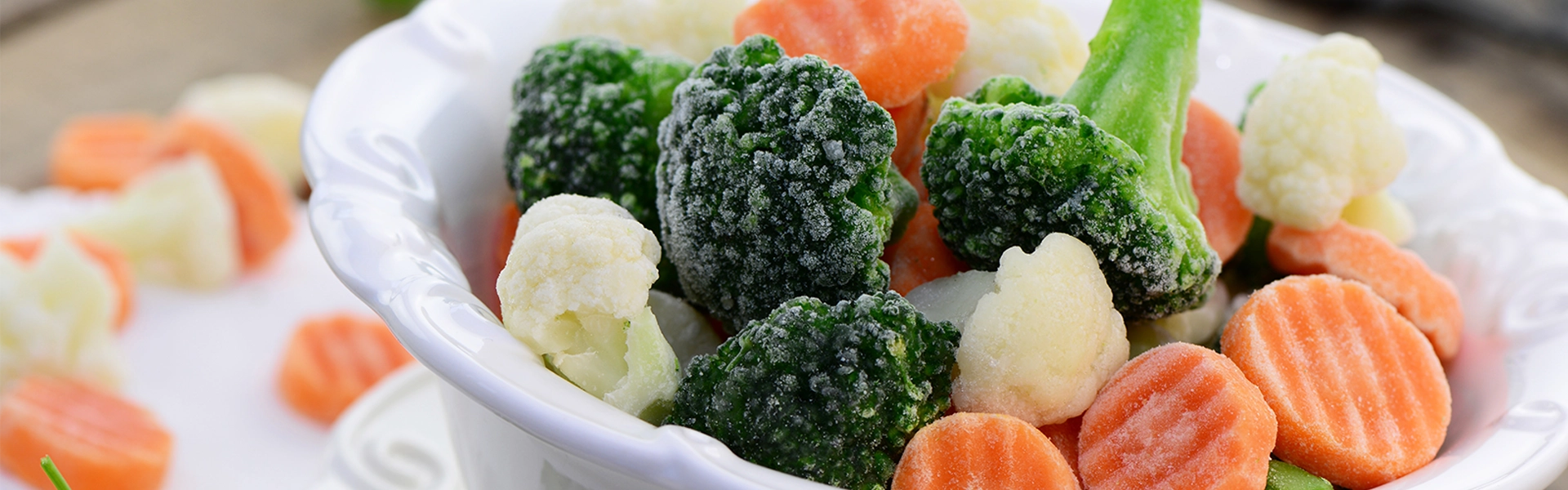
Freezing food – how to do it correctly!
What to do with leftover food? Instead of throwing it away, there is an environmentally friendly solution: freeze food! Freezing preserves vitamins and nutrients and allows seasonal products to be enjoyed for longer. However, not all foods are suitable for freezing. In this article, you will learn how to freeze food correctly, preserve its quality and which products should be consumed fresh.
Basic rules for food – the most important points in brief:
- Airtight packaging: prevents freezer burn and foreign odours
- Small portions: freeze faster and retain their structure
- Freezing technologies: NoFrost (prevents frost) and SuperFrost (fast, vitamin-preserving freezing)
- Use ice cube trays: ideal for herbs, sauces and pesto
Freezing food – what you need to bear in mind
To preserve food in the best possible way, it is not only the right temperature that is crucial, but also the method used. There are a few important rules to follow:
to prevent freezer burn, food should be frozen in airtight containers. This protects it from foreign odours and slows down spoilage.
Large quantities of food take longer to freeze through, which promotes the formation of large ice crystals. These can destroy the cell structure of the food and lead to a mushy or watery result after thawing. Smaller portions freeze faster and can be taken out later as needed.
Liebherr freezers offer sophisticated technologies. NoFrost protects the freezer compartment from unwanted frost, while SuperFrost freezes food particularly quickly and gently.
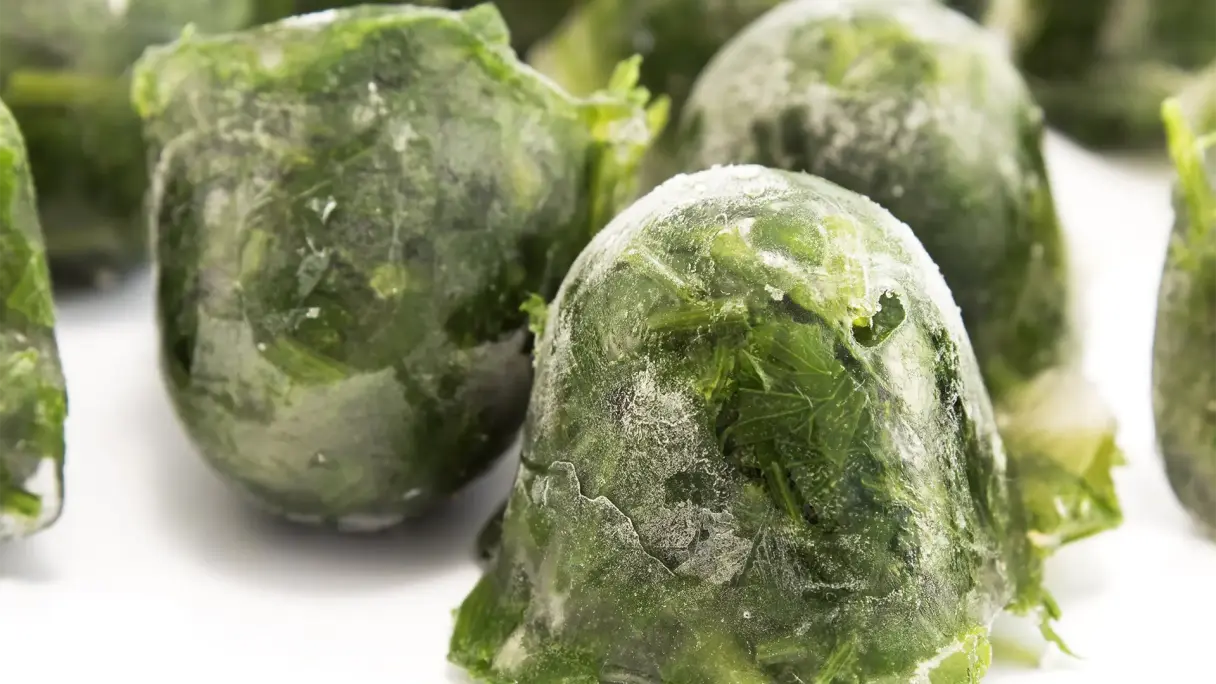
Freezing small quantities in ice cube trays is a good option. This allows you to preserve herbs, for example, or freeze leftover sauces or pesto in portions. The ice cube tray has a lid to ensure that no oxygen comes into contact with the food.
However, not all foods tolerate the cold equally well. While some foods can be frozen without any problems, others undergo significant changes in consistency or taste when frozen.
Suitable for freezing:
- Fruit (e.g. berries or bananas)
- Vegetables (after blanching)
- Meat and fish (well packaged or vacuum-sealed)
- Bread and cakes (in airtight packaging)
- Hard cheese and butter
- Pre-cooked meals (in suitable containers)
Not suitable for freezing:
- Food with high water content such as cucumbers, raw tomatoes or leafy salads (become mushy)
- Potatoes (become mushy)
- Dairy products such as yoghurt or sour cream (separate when defrosted)
- Boiled eggs (become translucent)
- Puddings and cream dishes (become watery)
Defrosting also plays an important role. Ideally, food should be defrosted slowly in the fridge to maintain the best possible quality. This prevents harmful microorganisms from multiplying. If you are in a hurry, you can defrost some foods in cold water or in the oven at a low temperature. However, raw meat or fish should never be left at room temperature, as this promotes bacterial growth.
How long can you freeze your food?
When frozen, food is put into a cold sleep. Most microorganisms that cause spoilage need temperatures around 30 °C to remain active. The cold temperature in the freezer compartment (-18 °C or colder) stops almost all metabolic processes, as microorganisms need water to survive. Frozen water is not available to them, which means that food stays fresh for much longer.
Nevertheless, frozen food does not keep indefinitely. Even at low temperatures, fats can break down when exposed to oxygen – this is called oxidation. This can cause fatty foods to become rancid and smell unpleasant. High-fat products such as fish, nuts and fatty meat are particularly sensitive. It is therefore important to pack food in airtight containers and remove any air from freezer bags.
How long can food be kept in the freezer? Although the cold stops many processes, it cannot completely prevent natural quality loss. After a certain amount of time, frozen food loses its taste, consistency and nutrients. According to the Federal Centre for Nutrition (BZfE), the following guidelines apply for maximum storage times:
- Meat: 3 to 12 months (depending on the amount of fat)
- Vegetables: 6 to 12 months
- Fruit: 8 to 12 months
- Ready meals and cooked dishes: up to 3 months
Label freezer containers and bags with the date and contents to keep track of what you have. Do you check your food before eating it? Does it look normal? Does it smell unusual or unpleasant? Does it taste the same as usual?
Freezing food without plastic
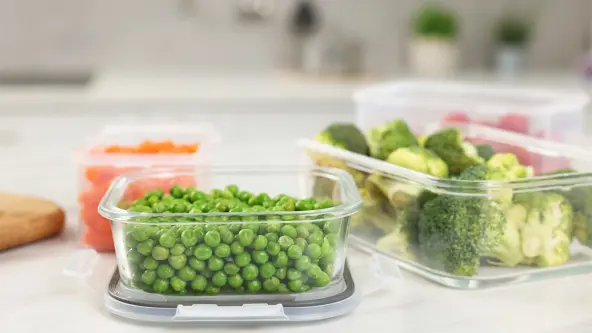
Glass and stainless steel containers can be used to freeze food without plastic. When using glass containers, make sure to fill them only three-quarters full and close the lid only after freezing.
Stainless steel containers are ideal for meat and larger food items.
Small portions such as herbs or pesto can be frozen in stainless steel ice cube trays.
Waxed cloth or wax paper are suitable for protecting bread, cheese and sausage from freezer burn.
Firm fruits or herbs can also be frozen without packaging on a freezer tray.
You can read more about this topic in our article Freezing without plastic.
FAQs – freezing food
Fruit and vegetables such as berries, peas and peppers are particularly good for freezing. Bread, cakes, cooked dishes and soups are also ideal for reheating later. Meat, fish and seafood is also suitable for freezing, but should be packaged as airtight as possible to prevent freezer burn. Even cheese, butter and herbs can be frozen without any problems. It is important to prepare food carefully before freezing by portioning it and packaging it well.
Freezing food multiple times leads to a loss of quality, as the formation of ice crystals damages the cell structure. Bacteria also multiply more quickly during defrosting. If a product is refrozen, these microorganisms remain intact, which increases the risk of food poisoning. This is particularly critical for meat, fish and dairy products. If you want to freeze food correctly, you should store it in small portions so that you only need to defrost the amount you need.
To maintain the quality of food, it should be frozen quickly. This works best if it is packed in airtight containers to prevent freezer burn. Divide the food into portions and spread them out flat so that they freeze through more quickly. Glass or stainless steel containers are suitable for plastic-free freezing. When freezing liquid foods, make sure not to fill the containers to the brim, as the volume will expand when frozen. If you want to know how long food can be frozen, you should follow this rule of thumb: Cooked food for about three months, raw meat for up to one year.
Not all foods are suitable for deep freezing. Water-rich food such as cucumbers, leafy salads and tomatoes lose their consistency when frozen and become mushy. Dairy products such as yoghurt or quark flake after defrosting. Raw potatoes change their structure and become floury. Eggs in their shells also burst when frozen because the inside expands.
This might also interest you
Which foods shouldn’t you freeze?
Many foods can be frozen without any problem, but this doesn’t work in some cases. So which foods shouldn’t you freeze?
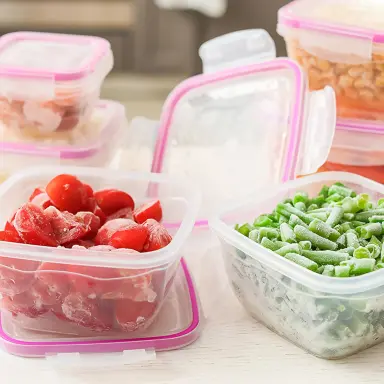
Freezing: it’s all about the packaging
Find out what you should look out for when choosing the packaging to freeze food in. Discover the most important criteria such as food safety, cold resistance and leakproofness to avoid freezer burn and preserve the freshness of your food.
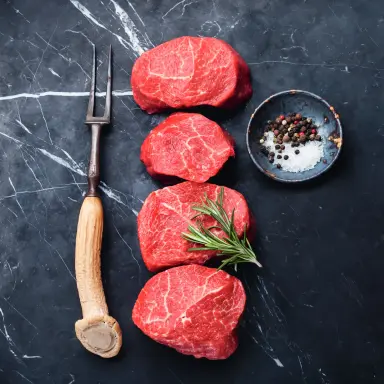
Freezing meat correctly
Freezing meat made easy: prepare it correctly, seal it airtight and store it properly. This way, flavour and quality are preserved.