
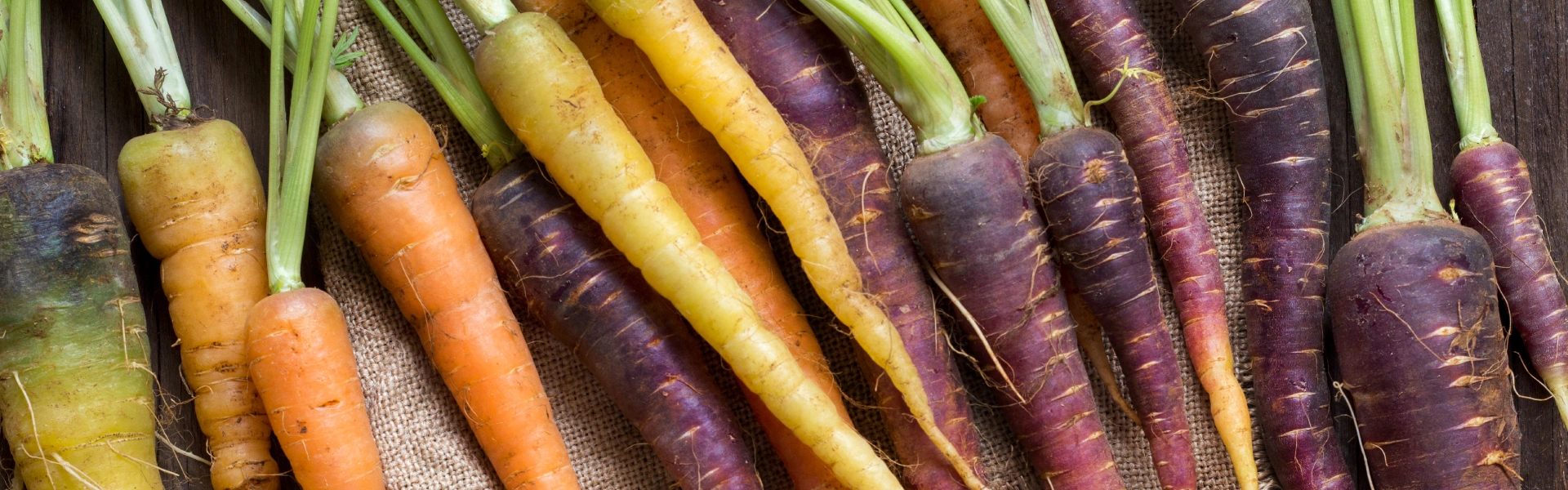
Storing and freezing root vegetables
Parsnips, carrots and black salsify are just a few examples of root vegetables. They are rich in vitamins and minerals. But what do you do with leftover vegetables when your harvest has been particularly bountiful or you have bought too much? Root vegetables should generally be stored in a cool (around 1 to 3 °C), dark and moist place. In the following sections, we present you with various storage options.
The key points
- Only store root vegetables that are fully ripe, dry and undamaged.
- Do not clean root vegetables before storing them. Remove the green leaves from the root.
- Store root vegetables in a damp cotton cloth or in an airtight container in the vegetable compartment of the fridge.
- Your cellar is suitable for storage if the temperature is between 0 and 7 °C, the humidity is at least 90% and it is dark.
- You can also store your root vegetables in a root cellar.
- Before freezing, you should cut your root vegetables into pieces, blanch them and rinse them with cold water.
Storing root vegetables correctly in the fridge and freezing them
To store root vegetables in the fridge, wrap them in a damp cotton cloth or place them in an airtight container without preparing them beforehand.
For maximum shelf life, store root vegetables in the vegetable compartment. Depending on the variety, they will keep there for one to four weeks. The BioFresh safe from Liebherr extends the shelf life of vegetables thanks to high humidity and a constant temperature of just above 0 °C.
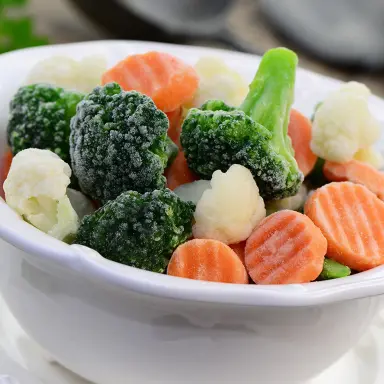
The freezer compartment offers an alternative to the fridge. Root vegetables can be frozen raw, but they will become soft when defrosted and lose flavour and nutrients. It is better to cut root vegetables into pieces, blanch them and rinse them with cold water before freezing.
If you have harvested a particularly large amount of root vegetables, you may not have enough space in your fridge. In this case, you can consider storing them in the cellar or in what is known as a root cellar.
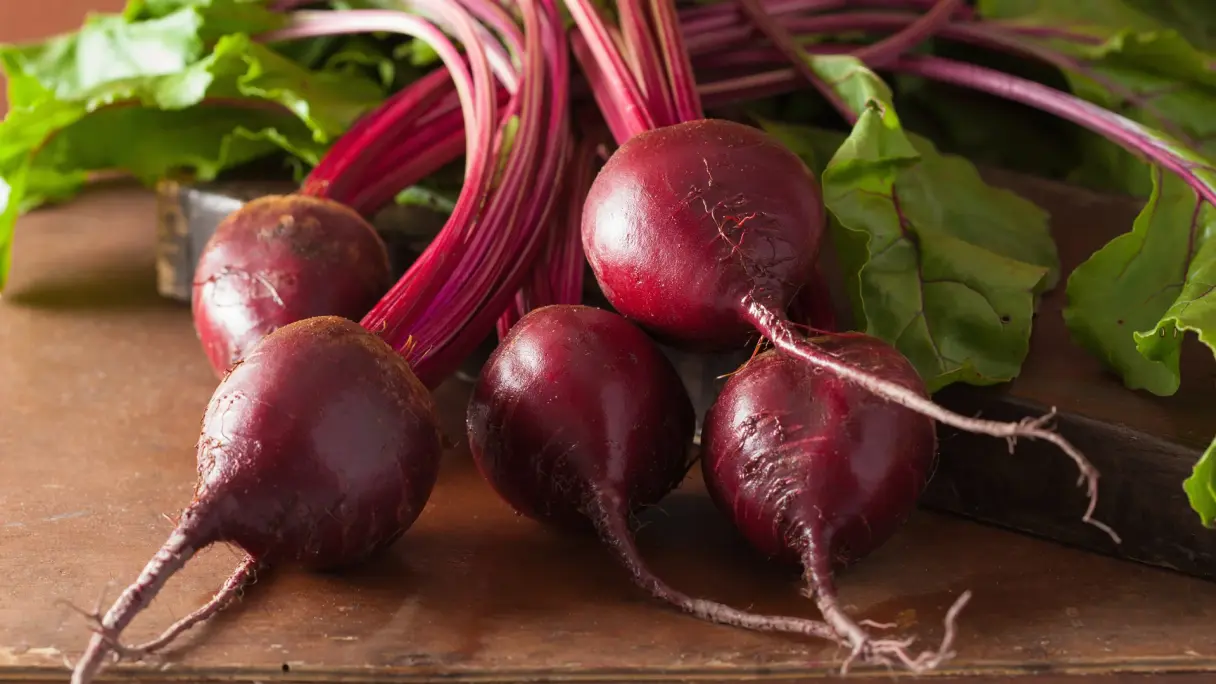
Storing root vegetables in the cellar
You can easily store root vegetables in your cellar if it has a temperature between 0 and 7 °C, a humidity of at least 90% and is dark.
If your cellar is too warm, too dry or too light, you can create a sandbox. Take a wooden box and fill it with a layer of damp sand. Then add alternating layers of root vegetables and damp sand. Finish with another layer of damp sand. It is important that the vegetables do not touch each other. Check the moisture content of the sand from time to time and moisten it if necessary. However, it should not be wet.
Storing root vegetables in a root cellar
If you don’t have a cellar, you can create a root cellar in your garden. To do this, dig a hole 50 to 70 cm deep in the ground. No water should accumulate in this area – a covered spot, such as under a planter, is particularly suitable.
The hole is lined with fine mesh wire to protect against moles and other animals. A water-permeable wooden box is placed on top.
First, fill the box with a layer of damp sand about 10 cm thick. Then add root vegetables and moist sand alternately, making sure that the vegetables do not touch each other. Finish with another layer of damp sand. Cover the sand with a wooden board. You can also cover it with a plastic sheet to provide additional protection from rain and wind.
Preparing root vegetables for storage
Always harvest your vegetables when they are fully ripe and dry. Moist vegetables should be dried before storage.
Only store vegetables that are undamaged. Vegetables with blemishes spoil more quickly and can potentially infect nearby vegetables.
Do not clean the vegetables before storing them. Any soil still clinging to them will help to prolong their shelf life.
Remove the green leaves from the root. Soil draws moisture and nutrients from root vegetables, causing them to spoil more quickly.
This might also interest you
Jerusalem artichoke storage: preserving and freezing
Where is the best place to store Jerusalem artichokes? How can you preserve and freeze Jerusalem artichokes? Find out now!
Storing radishes, freezing them and enjoying them for longer
Storing radishes: find out why it’s worth freezing them, information on nutrition and energy and more here.
Freezing food – how to do it correctly!
Freezing food made easy: find out the correct way to freeze your food, preserve it and save money and resources in the process!