



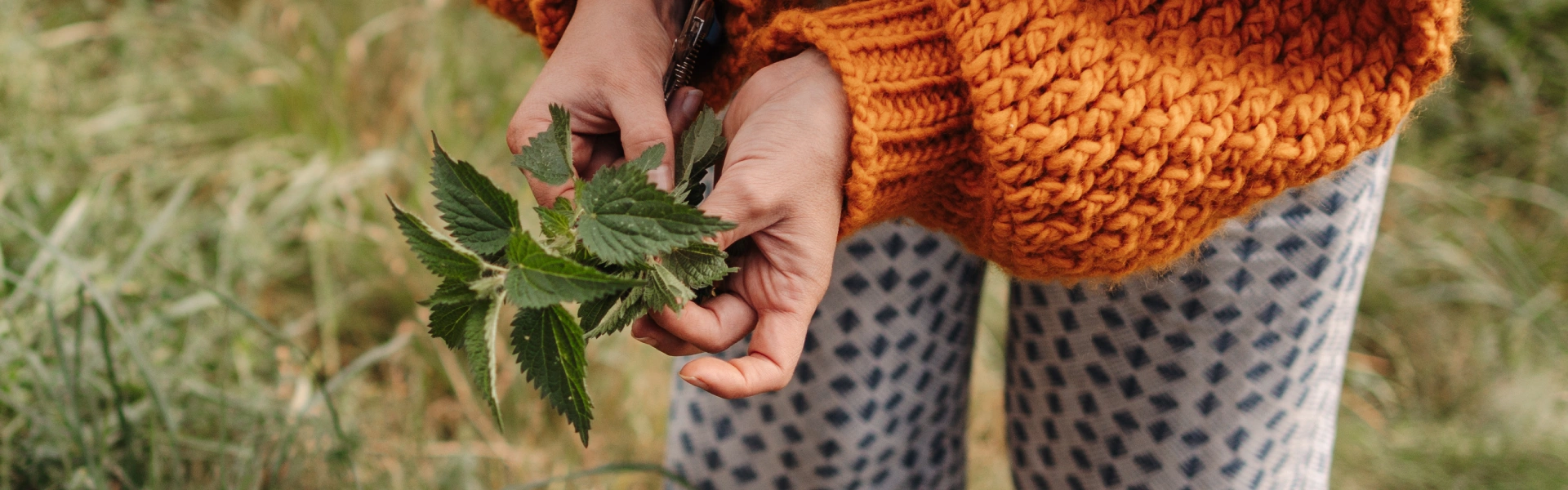
Foraging – gathering wild food
Foraging is deliberately looking for food in nature and urban spaces. The trend combines sustainable nutrition, nature, and knowledge of native plants. People who go foraging rediscover wild herbs, berries, and flowers, and get to enjoy their original taste. At the same time foraging comes with responsibility: legal regulations, species conservation, and definite identification are essential. This article approaches the topic factually, sets out the opportunities and risks, and explains how foraging can be done sustainably and in line with the regulations; from urban foraging to suitable foraging areas, correct preparation, and storage.
The key points
- Foraging means collecting edible wild plants to use yourself.
- In Germany the what-you-can-carry-in-your-hands rule applies with clear limits for species conservation.
- Protected and endangered plants must not be touched.
- Mistaking poisonous species for safe food is one of the greatest risks.
- Sustainability and definite identification are the top priorities.
What is urban foraging?
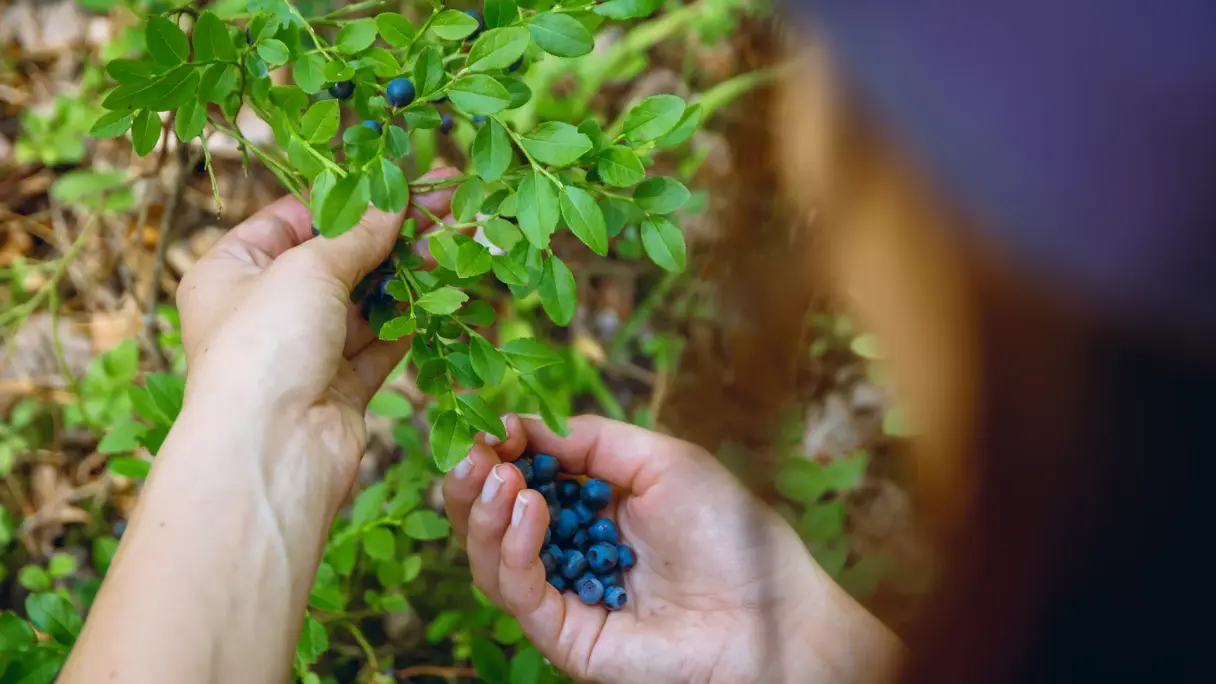
Urban foraging is gathering edible wild plants within a town or city, in parks, brownfields, median strips, etc. It is part of urban ecology and combines biodiversity with sustainable nutrition. Its appeal is that it offers low-threshold access to food while promoting ecological education.
At the same time, urban foraging comes with increased responsibilities: the ground in towns can be contaminated with heavy metals, microplastics, and other harmful substances. There are also more legal restrictions because municipal statutes may limit foraging in public places. If you want to go urban foraging, you need to critically assess the location, only gather plants that are not contaminated, and adhere to local regulations.
Specialist knowledge and restrained harvesting are important for not disturbing ecological cycles and ensuring the quality of the foraged plants.
Where are you allowed to gather edible plants in nature?
Where you are allowed to forage internationally depends primarily on land use and conservation status of the area. In Germany foraging small amounts for your own use is allowed, provided that plant populations are not impacted. Typical foraging areas include woods and field boundaries. Conservation areas, such as nature reserves, national parks, and fragile habitats. You need permission to forage on private property, and special regional regulations may apply.
Similar principles can be found around the world: you can usually access public areas that are not protected, while protected areas are off limits to foragers. Regardless of country, the rule of thumb is to only take individual plant parts and to respect the natural regeneration of the site.
What are the dangers and risks of foraging?
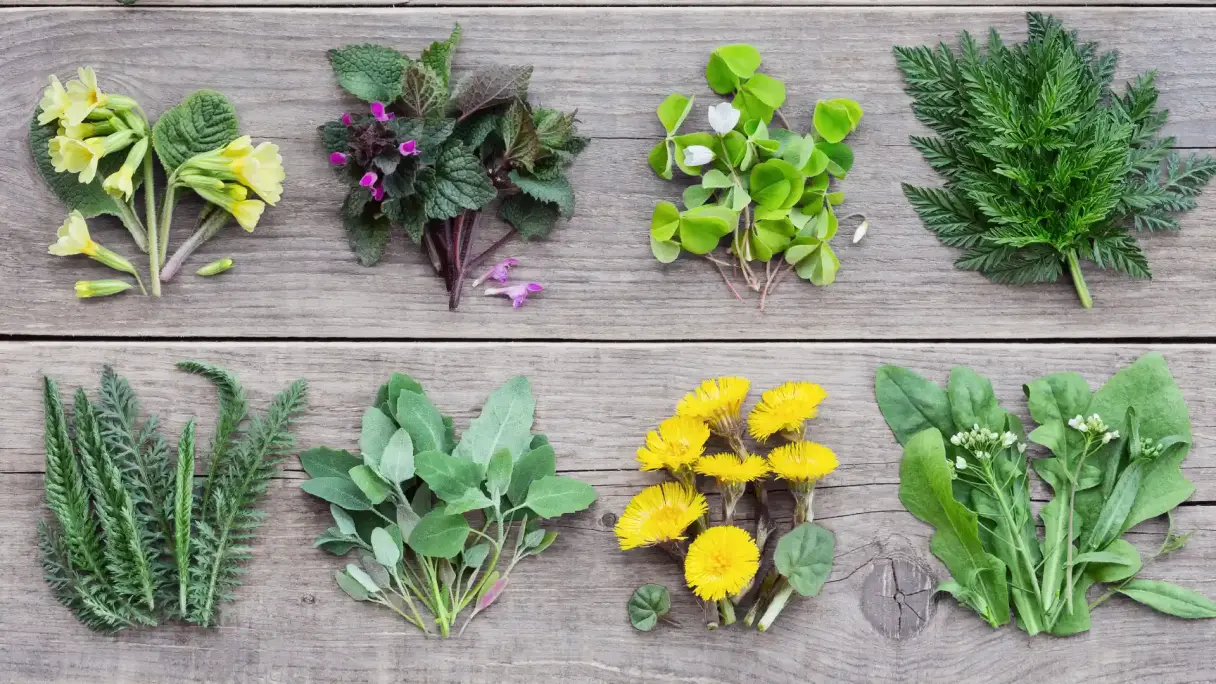
One of the biggest dangers and risks of foraging is misidentifying plants. Edible plants can look very similar to poisonous doppelgangers, such as wild garlic and meadow saffron, or wild carrot and hemlock. Definite identification must be completely assured.
Further risks come from environmental contamination: plants at the sides of roads and in heavily fertilised areas can contain heavy metals and pollutants. Hygiene risks from parasites, such as fox tapeworm in forest fruits, need to be taken into consideration.
Digital identification apps can be helpful, but are no legal or health guarantee. They do not replace critically verifying the plants yourself. Responsible foraging means only gathering plants you know in suitable locations, and leaving them if there is any doubt.
What guidelines and laws must be adhered to?
Foraging is generally allowed around the world, but clearly regulated by law. The most pertinent laws worldwide are property law and legislation on nature and species conservation. In many countries, foraging for your own use is permitted, while protected and endangered plants are off limits as a rule.
In Germany, Austria, and Switzerland, nature conservation is subject to particularly strict regulations; in the UK, foraging for personal use is permitted but commercial use is subject to authorisations. Scandinavian countries are an exception with their freedom to roam, but they attach free access to nature to sustainable behaviour. In North America, foraging in national parks is generally forbidden; outside of these, it is partially possible, with limitations.
Essentially, sustainable foraging is compatible with protecting biodiversity, provided that harvesting is controlled and vulnerable plants are protected.
How do you correctly prepare and store wild plants?
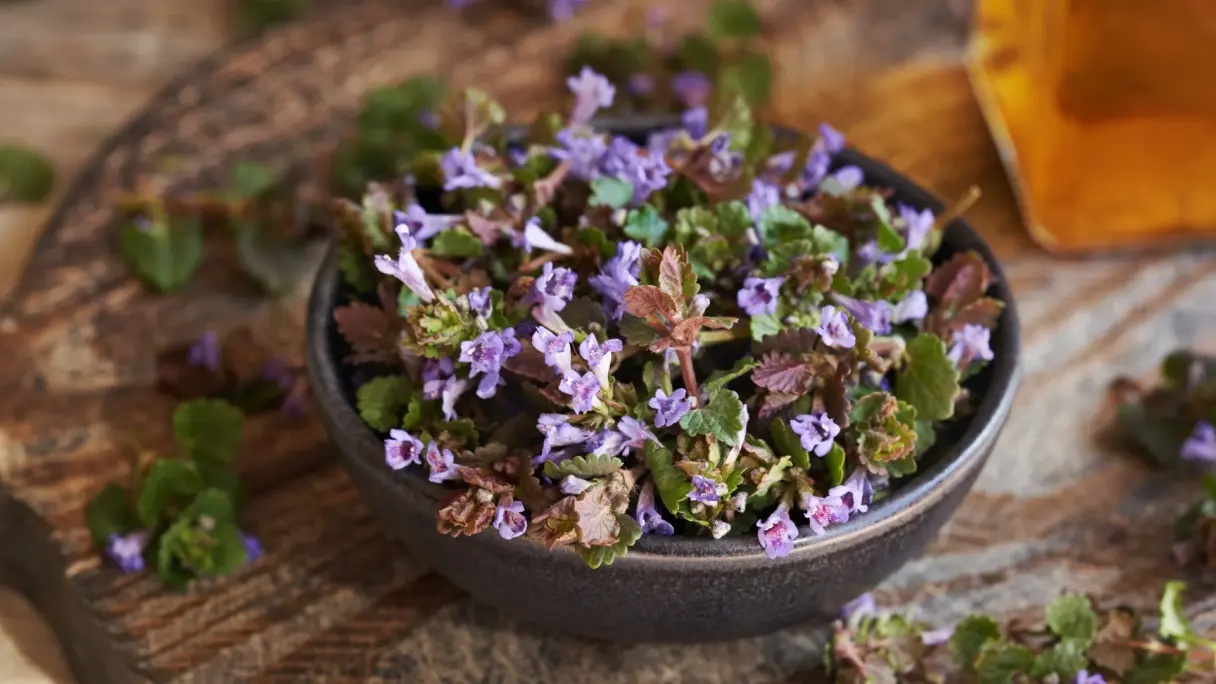
Fresh wild plants should be stored somewhere cool at around 0 to 5 degrees Celsius, slightly humid, and in airtight containers. The BioFresh Fruit & Vegetable safeis an excellent choice. Its optimised humid climate preserves the freshness of delicate herbs and means that they keep for up to 13 days. Alternatively, wild plants can be frozen and kept for up to 10 months. Plastic bags are not suitable as they build up moisture and impact the quality of the plants.
If you intend to use the plants to make teas or to store them in your larder, it’s a good idea to dry them in the dark, at 20 to 35 degrees Celsius, and with good air circulation to preserve essential oils and secondary plant substances. Preparation should take place as soon as possible after harvesting; only wash if necessary or active substances can be lost. Dried plants will keep for around 6 to 18 months, depending on the type and storage conditions. Good hygiene and storage climate is important for safety and enjoyment.

This text has been machine translated from English.