



Freezing mushrooms – what you need to know
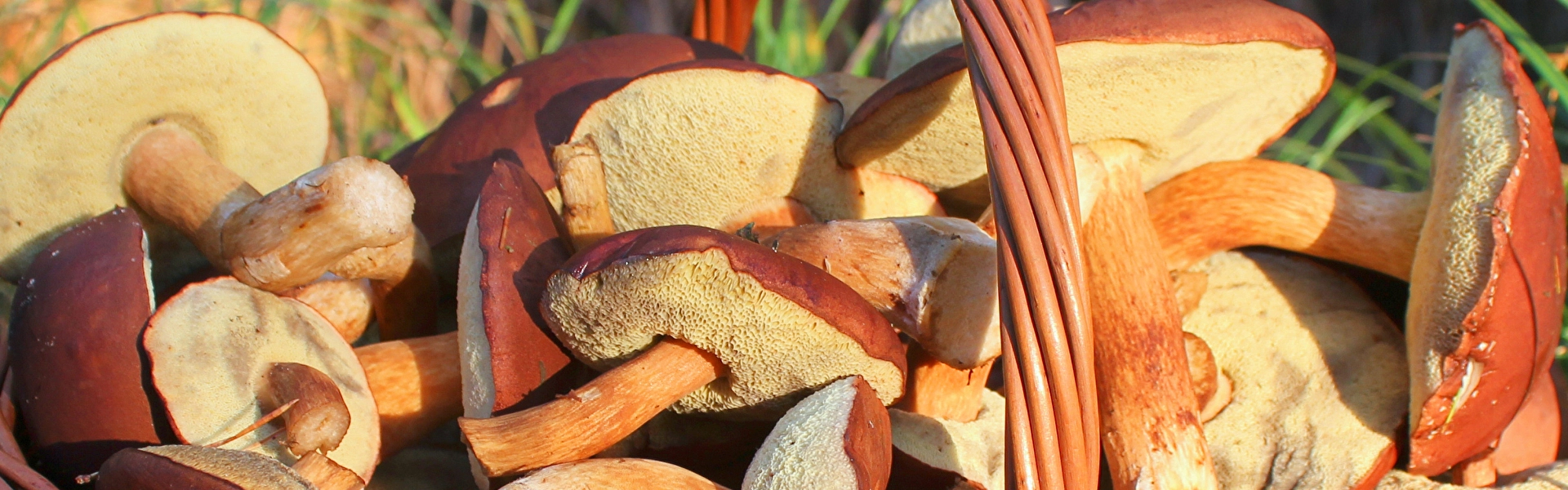
After an extensive forest walk, it's not uncommon to have gathered bags full to the brim with mushrooms. But it’s hard to use up the whole harvest in one mushroom dish. So what can we do with these fresh mushrooms? Can mushrooms be frozen or is that dangerous? In this article, we’ll shed some light on the matter and show you the different ways to preserve mushrooms.
The key points
- Freezing mushrooms is possible and a good way to extend their shelf life – ideal for larger quantities from the forest or supermarket.
- Do not wash – only clean them dry, otherwise, mushrooms become mushy when cooked.
- Pre-freezing on a tray prevents clumping.
- Alternatives to freezing: drying mushrooms (for intense flavour) or pickling them in vinegar/oil (for long shelf life).
Freezing mushrooms – list of contents
Freezing raw mushrooms: three steps for optimal results
Cleaning
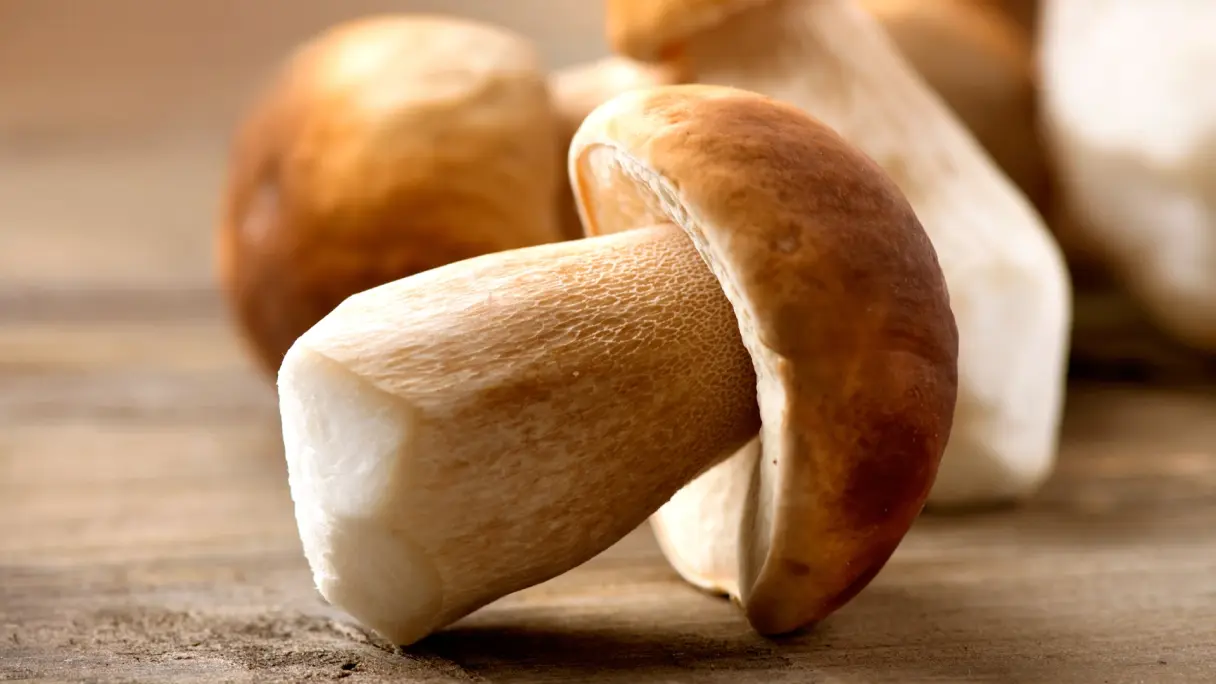
Simply cleaning the mushrooms with a tea towel or a small mushroom brush is generally sufficient. If fresh mushrooms from the forest have a lot of dirt on them, a knife with a curved blade can be helpful here. You should not wash mushrooms with water! They soak up water quickly and will then be unpleasantly mushy when cooking them.
Cut and optionally blanch them
First remove the dried ends of the stalks. Sort the mushrooms and don't use ones that are heavily bruised. Next cut large specimens into quarters or slices. Small mushrooms can be frozen whole. We recommend pre-freezing the mushrooms on a large tray to prevent them from sticking to each other. Place this in your freezer for about 24 hours before freezing the mushrooms completely. Chanterelle mushrooms should be briefly blanched in salt water with a little lemon before freezing. Let the mushrooms cool down completely before freezing.
Freezing
The pre-frozen mushrooms can now be portioned into freezer bags or well-sealed containers. In general, the various types of mushrooms can be stored in a freezer with the appropriate technology for up to eight months. Liebherr freezers use modern technologies, such as NoFrost and SmartFrost, to freeze mushrooms gently. NoFrost prevents icing through cooled circulating air and moisture dissipation, which preserves vitamins and nutrients. SmartFrost reduces the build-up of frost, makes cleaning easier and ensures even cooling, which preserves the cell structure of the mushrooms. This allows you to defrost and enjoy the frozen mushrooms.
Alternatives to freezing mushrooms: drying, pickling and more
It’s not just freezing that allows you to keep your delicious forest harvest for longer – other preserving methods such as drying and pickling mushrooms are also an option.
The best way to dry mushrooms is with a dehydrator or even in a normal oven. To do this, place the mushrooms on a grill rack lined with baking paper and dry them in the oven at 50°C for several hours. Always keep the oven door slightly open to allow moisture to escape. If the mushrooms break easily when touched, they are completely dry. Using this method, the dried delicacies can be stored in a cool, dry place in an air-tight container for up to a year. Dried mushrooms have a particularly intense flavour. You can soak the mushrooms in a little bit of warm water before using them. And as the water will then have a particularly intense taste after this, it can be used to transform your sauces and soups into highly flavourful delights!
Another way to extend the shelf life of mushrooms is to pickle them in vinegar or oil. Pickling in vinegar is a particularly popular method in Eastern Europe. The mushrooms gain an unmistakable spicy and sour flavour by doing this. First boil the mushrooms for a few minutes in very salty water. While doing this, make a stock from two parts vinegar to one part water. Heat the mixture and add salt and other spices to taste. Drain the mushrooms and then cook them for another five minutes in this vinegar and water stock. Now pour the vinegar water into the jars until the mushrooms are completely covered. Then close the jars so they are air-tight – ideally with a screw top lid. Using this process, the mushrooms can be stored in a cool and dark place for up to six months.
This might also interest you
Storing berries: what you need to know
Storing berries without loss of quality: How to preserve flavour and freshness. Tips for correct storage in the fridge or freezer. Find out more now.

Here’s how to store Kombucha mushrooms
Read on to find out how to store and preserve Kombucha mushrooms and how to make the tea yourself.
Acai berries — the South American trend setter
Acai berries are a real super food! Keep reading FreshMAG to find out how the berries taste and how to enjoy them!