



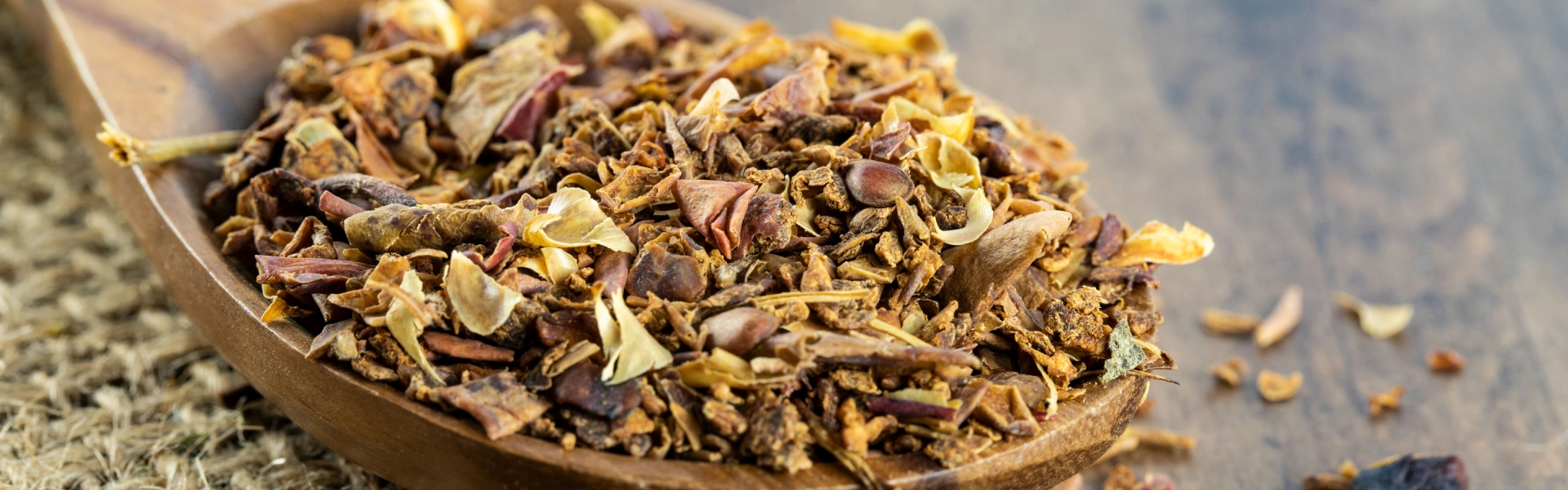
Discover the circular food trend
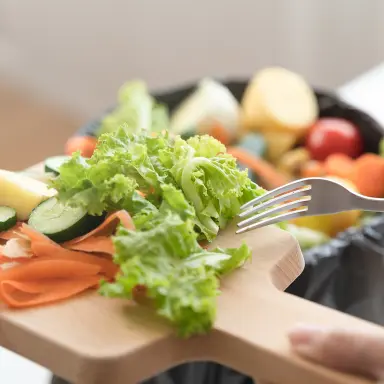
More and more people want to make full use of food, and this is exactly where the circular food trend comes in. Instead of throwing away peels, seeds, or pomace, the trend focuses on the ecological cycle. The aim is to reuse nutrients from fruit and vegetable waste and to conserve resources. Whether grape pomace for snacks or vegetable peels for spicy broths: the concept of a circular economy creates creative paths to greater sustainability. The trend shows that with knowledge and a willingness to experiment, real food diversity can be achieved from supposed leftovers – entirely in line with a conscious, modern diet.
The key points
- Cleverly using leftover food in the cycle
- Using pomace: creating new products from peels and seeds
- Grape pomace: nutrient-rich superfood from wine production
- Conserving resources: acting sustainably by creatively reusing leftovers
Discover the circular food trend – List of contents
What is the circular food trend?
The circular food trend is part of a growing movement that views food as part of a closed loop. The goal is to avoid waste and to use each product as completely as possible.
Instead of disposing of leftovers, the approach focuses on recycling and creative use, entirely in line with a circular economy for food. The focus is not only on sustainability, but also on the appreciation of the nutrients, taste, and energy that are contained in all foods. The trend shows that our ecological footprint can be reduced if consumers shop, store, and reuse leftovers more consciously. In this way, supposed waste is transformed into a new culinary value that is resource-efficient and healthy.
This trend shows how important it is to keep resources in circulation – but this principle doesn’t end on the plate. Other sectors can also benefit from the circular economy. There is enormous potential, especially in theconstruction industry, as it is one of the most resource- and CO₂-intensive sectors of the economy.
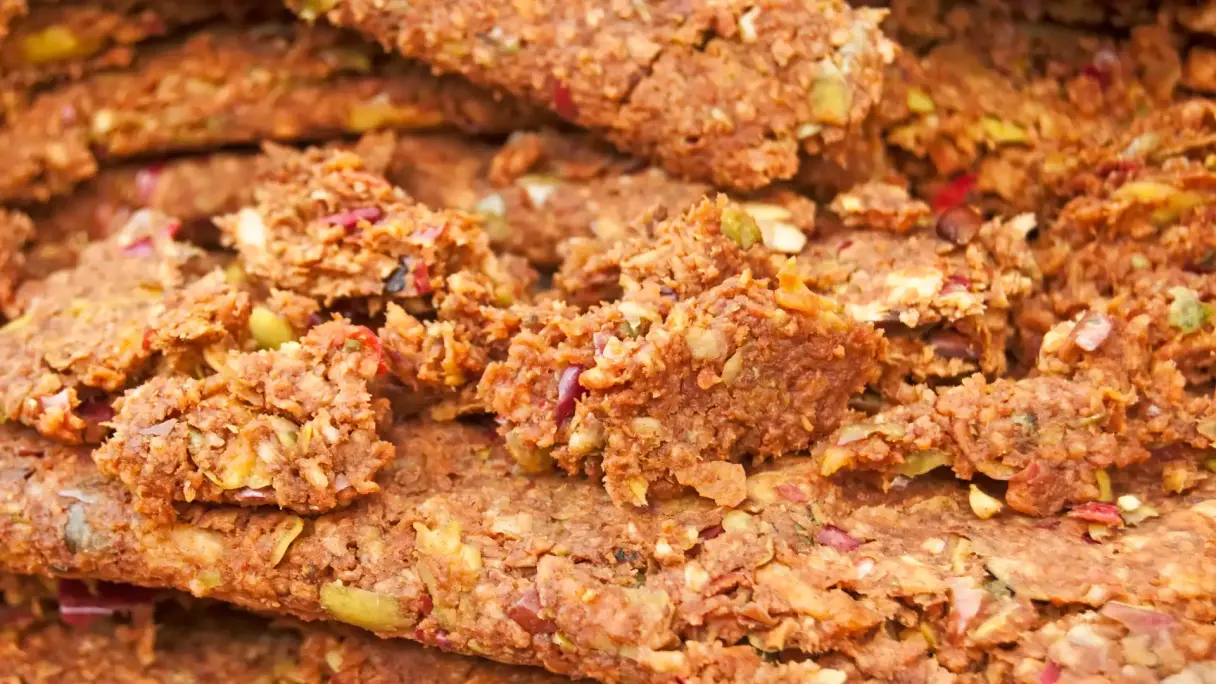
How can peels, seeds, and pomace be used?
Peels, seeds, and pomace can be used, for example, to make energy balls, broths, smoothies, crackers, and baked goods.
Circular food in your kitchen can enrich your dishes. Peels, seeds, and pomace are true nutrient bombs. Many fruit and vegetable peels contain valuable vitamins and fibre, which are excellent for broths, crisps, or as a base for smoothies. Seeds from pumpkins,grapes, or apples can be dried, ground, or roasted, and are ideal as an ingredient for muesli or toppings. The pomace is also worth using. This pressing residue, which is produced during juicing, can be used for baked goods, vegan spreads, or even as a source of fibre in the form of ‘energy balls’. This ensures that nothing goes to waste and the ecological cycle is completed in an enjoyable way.
Bananas, for example, are the most discarded food item in Germany. But various delicacies can also be made from brownbananas, in addition to banana ice cream and banana cake. Its peel can be used, for example, as a substitute for bacon.
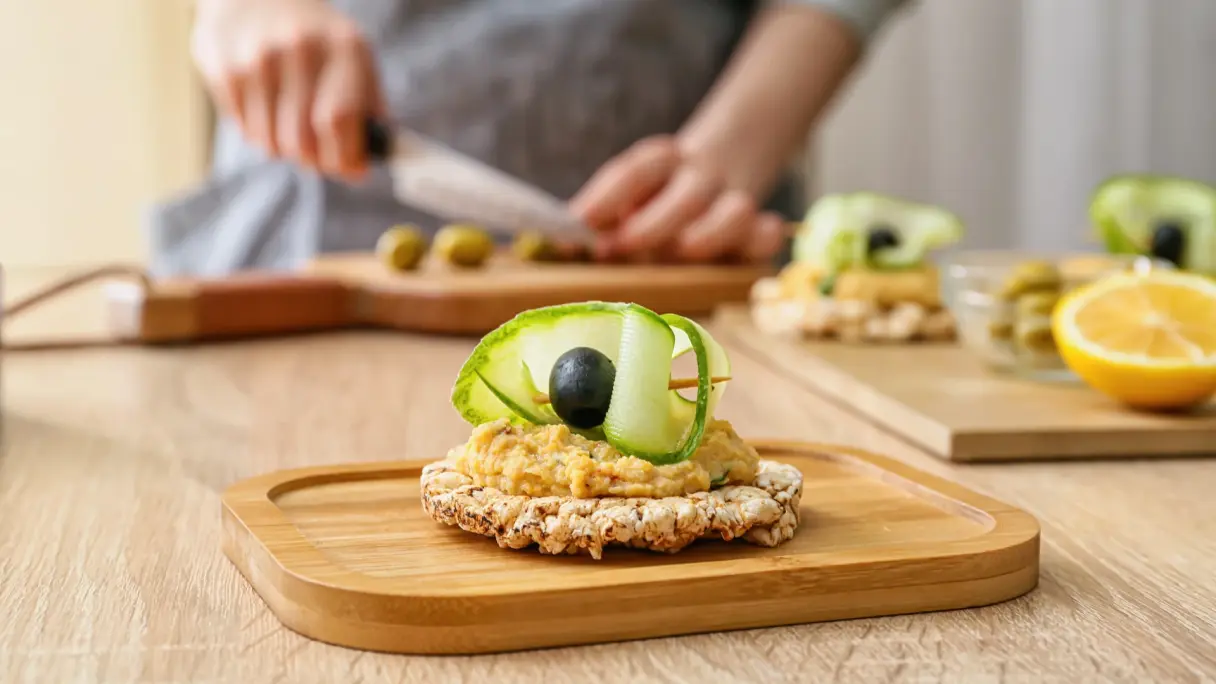
What makes grape pomace so special?
Grape pomace contains many valuable antioxidants, secondary plant compounds, and dietary fibre.
Grape pomace, i.e. the residues of peels, seeds, and pulp after pressing, is considered a true superfood and one that promotes the circular food concept. A byproduct of wine production, pomace is often composted or used as animal feed, but it is increasingly finding its way back into human nutrition. Dried grape pomace is used to make fine flours for baked goods, muesli bars, or pasta. This form of pomace utilisation strengthens the ecological cycle and ensures that valuable resources are preserved instead of being lost.
How does circular food help conserve resources?
The circular food trend is far more than a short-term lifestyle – it represents a conscious approach to our environment. The circular economy approach creates new, resource-saving pathways: leftover food doesn’t end up in the bin, but is transformed into new products. This ensures that valuable resources such as water, energy, and agricultural land are used efficiently. A consistent circular economy in the food sector does not mean deprivation, but rather innovation. Leftovers can be transformed into new culinary experiences and healthy alternatives that enrich the menu. Circular food inspires a new awareness of nutrition, sustainability, and appreciation for everything we eat.
This text has been machine translated from English.