How light influences the taste of wine
The light colour can also influence whether or not food appears palatable to us. The use of this effect is particularly popular when lighting meat counters in supermarkets. However, a study conducted by the University of Mainz in collaboration with a Rheingau vineyard has shown that ambient light alone can also influence the flavour of wine.
The key points
- Light colour influences the taste of wine: red light makes Riesling taste fruitier, while green light makes it seem tart.
- Willingness to pay increases: red light makes consumers willing to pay more for their wine.
- Ambient light has an influence: the light influences the taste, whatever the colour of the wine.
Influence of light colour on the taste of wine – list of contents
Influence of wine colour on sensory perception
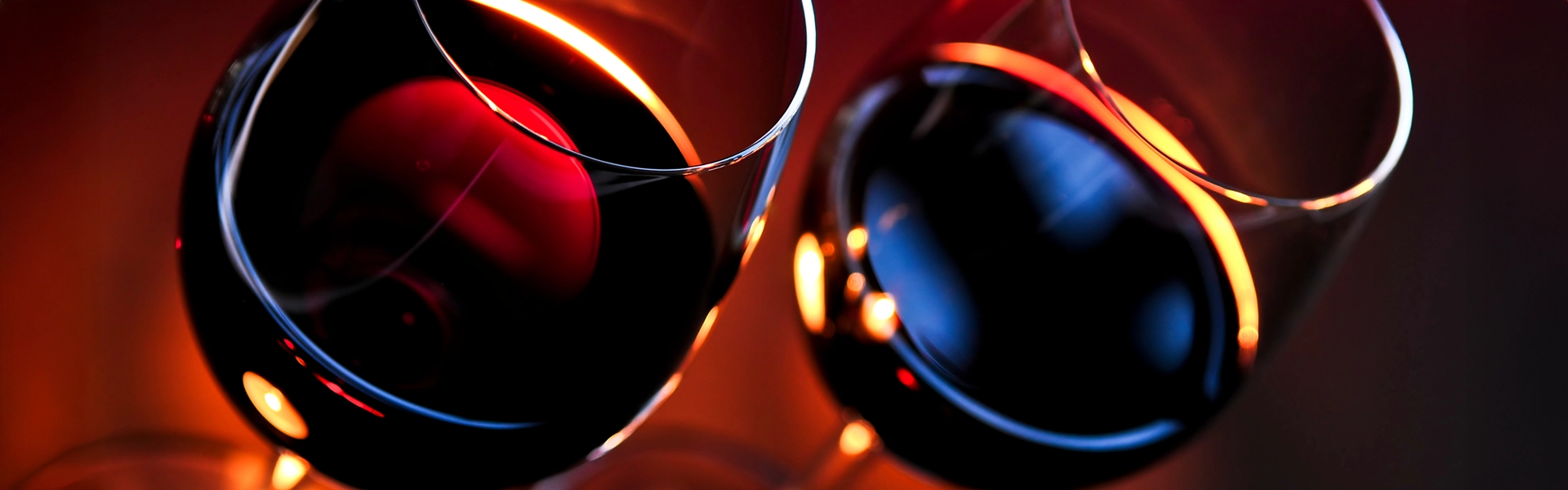
It is a well-known fact that the colour of wine can influence how we perceive its taste. For example a darker red wine is generally perceived as having a more intense flavour than a paler variety. Even if this doesn't necessarily match with the actual flavour profile. However, the surprising finding of an experiment conducted by scientists in collaboration with the Rheingau vineyard in Allendorf is that the colour of the ambient light alone can also influence the wine’s flavour, regardless of the colour of the wine.
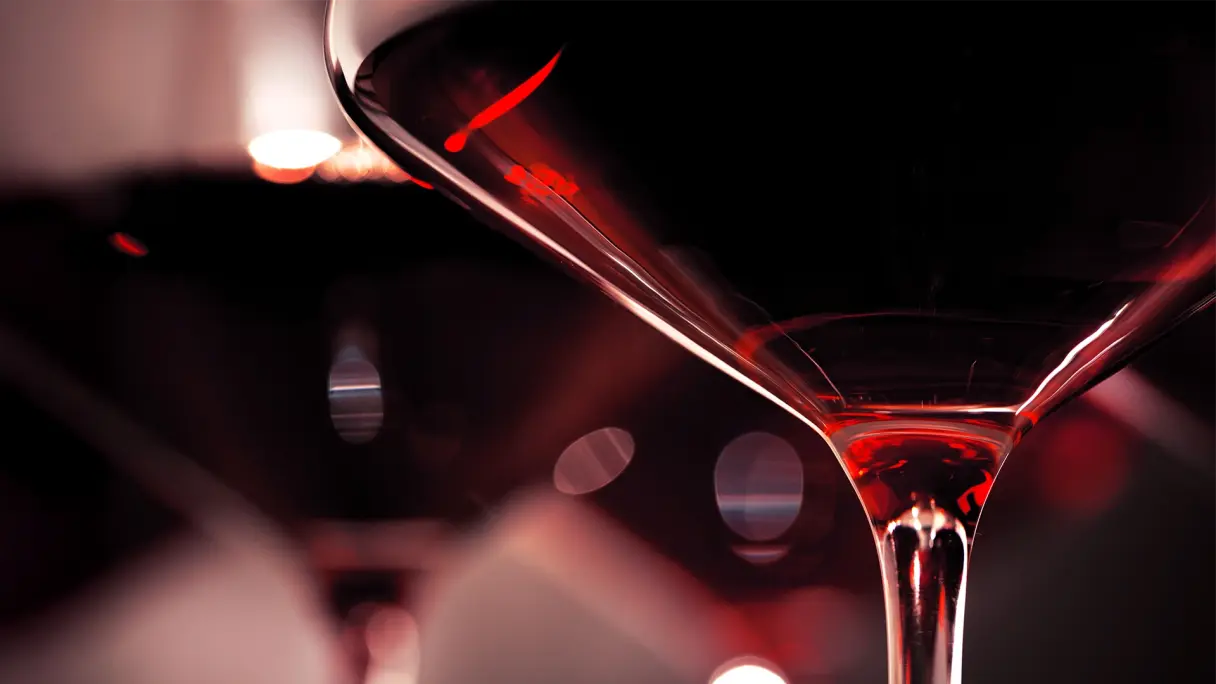
Enjoying wine bathed in a red light encourages wine enthusiasts to splash out.
The role of light colour in tasting
The well-known winemaker from Oestrich-Winkel has set up a room on his vineyard with neutral white walls in such a way that the colour of the light inside can be changed. If you taste a glass of a Rheingau Riesling in this neutral light, its flavour, as expected, is one of apricots, peaches and citrus fruits. But if the light is changed to red, suddenly you also detect berries and cherries in the wine bouquet – simply an amazing effect! Even wine connoisseurs and taste experts are taken in by this.
By contrast, under green lighting, a Riesling suddenly seems to taste noticeably more herbal and tart. And under blue lighting even slightly bitter. So here, the widely accepted fact that the colour of a wine can influence its flavour is clear for all to see. However, the particularly puzzling aspect in this experiment is that the ambient light alone, regardless of the actual colour of the wine, can influence the sense of taste.
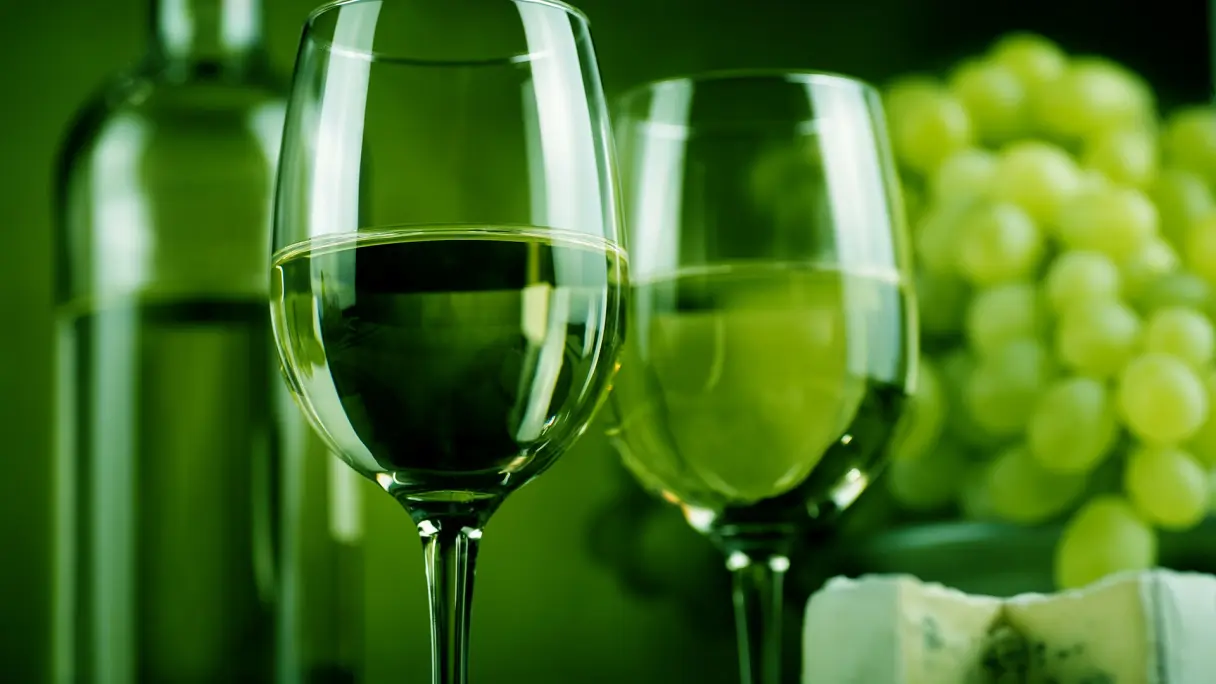
According to a study, a Riesling can taste markedly more herbal and tart under green lighting.
To test this, the trial was organised so that the wine was tasted from black glasses to prevent its colour from being identified. In this case also the effect on the overall assessment of the wine was statistically significant. Particularly remarkable was the fact that, under red lighting, the wine was so appealing that participants were prepared to pay over a euro more for a bottle of the Riesling than they were if the wine instead was presented and tasted in green lighting.

The author
Frank Kämmer
I have worked for many years in high-end restaurants and in this time became one of the top sommeliers in Europe. In 1996, I achieved the title of Master Sommelier, the highest international qualification in my profession. Today, I work primarily as a consultant in the international wine and gastronomy sector. I have also published numerous books on wines and spirits and was the first German to be accepted into the British Circle of Wine Writers.