
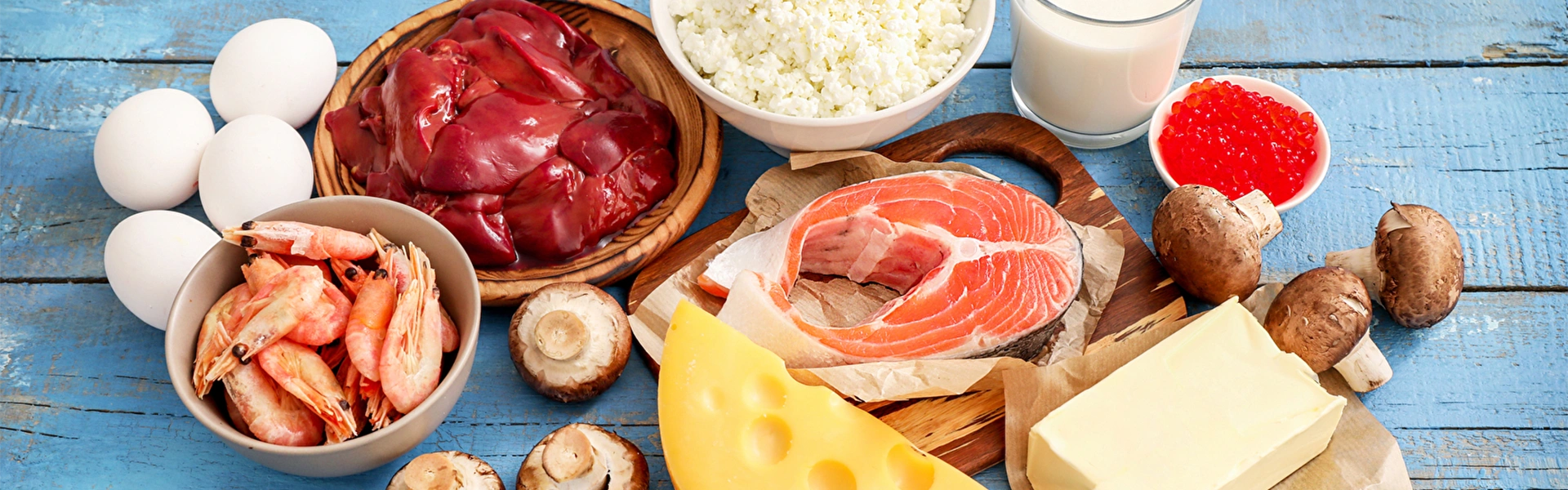
Protein-rich food – the best sources of protein for your diet
Proteins are an important part of a healthy diet. They are found in many everyday foods, such as dairy products, bread and legumes. But they have also been used in high-protein products such as protein bars, protein powders and protein quark for some time now. Find out more about the protein trend and fitness.
The key points
- Promotes muscle building
- There are plant-based and animal-based sources of protein. A balanced diet provides sufficient protein for daily requirements.
- A protein intake tailored to your age can benefit your health.
- Dairy products and eggs, legumes and whole grains, nuts and seeds, meat and fish are the perfect sources of protein.
- Protein-enriched bars and powders are not necessary for a healthy diet.
- BioFresh technology preserves nutrients.
Why are proteins so important for your body?
Proteins play a central role in your health. Eat high-quality protein to strengthen your muscles, tendons, ligaments and bones. A balanced protein intake can contribute to your overall performance and well-being. The fitness industry in particular places a lot of emphasis on protein as a macronutrient. As a result, there are a wide variety of foods that are particularly rich in protein or have been specially fortified with it.
There are both plant and animal sources of protein. Animal proteins are similar to human proteins and are particularly well absorbed by our bodies. While animal proteins contain essential amino acids in optimal proportions, plant-based protein sources can also provide a full supply by way of targeted combinations. This is important because amino acids are essential for muscle building, enzyme production, the immune system and the maintenance of many other bodily functions.
We consume proteins and cannot produce some of their building blocks, the amino acids, ourselves. For this reason, it is important that we consume protein every day through our diet.
Recommendations from the German Nutrition Society (DGE)
The German Nutrition Society (DGE) recommends a daily protein intake of 0.8 grams per kilogram of body weight for adults between the ages of 19 and 65. For people aged 65 and over, the reference value increases to 1.0 gram per kilogram of body weight.
You can meet your daily protein requirements by eating protein-rich foods such as legumes (e.g. soy, lentils, peas) and grain products (e.g. bread).
The DGE emphasises that a balanced protein intake supports vital functions, prevents deficiency symptoms and contributes to the prevention of chronic nutrition-related diseases. It is important to tailor your individual protein intake to your own body weight and age in order to achieve the best possible health benefits.
The best sources of protein
Animal sources of protein include meat, fish, milk and eggs.
Meat and poultry are rich in high-quality protein and essential nutrients such as iron and B vitamins. Fish and seafood provide protein as well as valuable omega-3 fatty acids.
Dairy products such as yoghurt, quark and cheese are good sources of protein and contain calcium to strengthen bone structure.
Eggs are a true superfood, containing all the amino acids essential for humans and many important vitamins.
Plant-based sources of protein include legumes, nuts, soy products and whole grains.
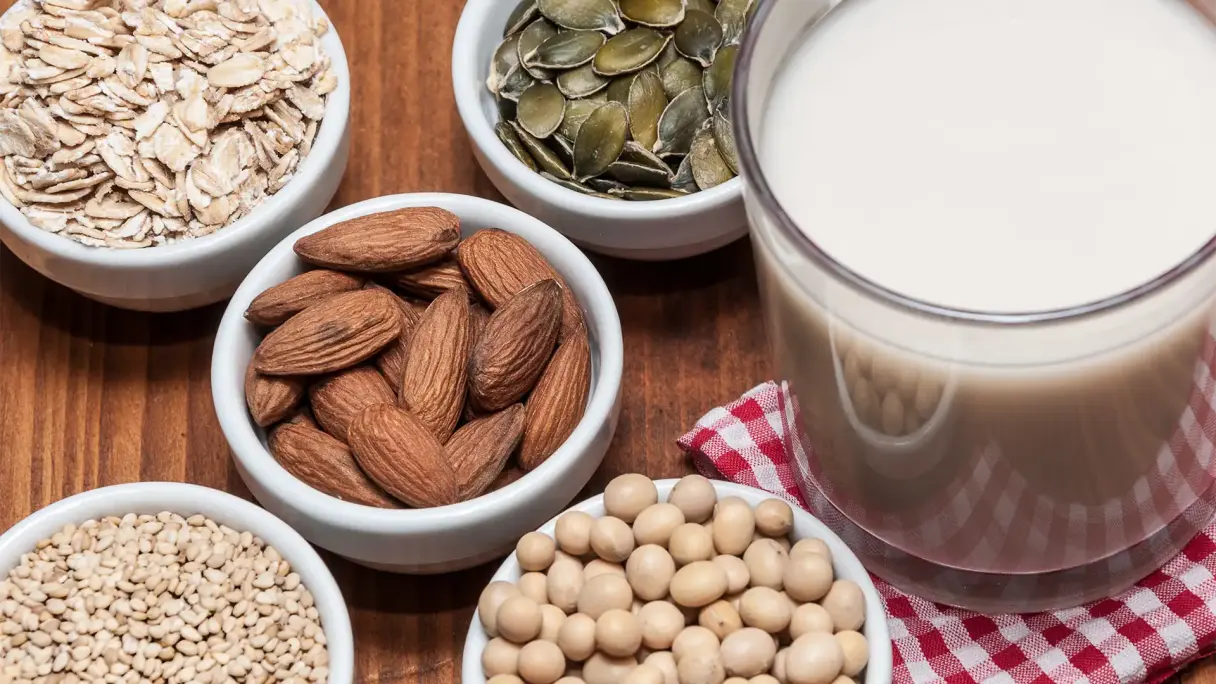
Legumes such as lentils, chickpeas and beans are rich in protein and fibre.
Nuts and seeds such as almonds, chia seeds and hemp seeds not only provide protein, but also healthy fats.
Tofu and tempeh, as well as other fermented soy products, are an excellent plant-based source of protein with a full amino acid profile.
Whole grains, quinoa, oats and buckwheat also contain important minerals in addition to good proteins.
To ensure an optimal protein intake, it is advisable to combine plant-based protein sources in a targeted manner. This increases their biological value, which means that you can utilise more of the protein.
Legumes can be combined wonderfully with grains, for example. How about some freshly baked wholemeal bread that you could dip into lentil soup, for example?
Nuts also go well with dairy products. Yoghurt with homemade almond granola in the morning is the perfect start to the day.
Try combining tofu and vegetables for a balanced meal.
Of course, you can also purchase special fitness products that are enriched with higher amounts of protein. However, this often means that additional additives and sugar are also included. A normal, balanced diet can ensure an adequate protein intake. Enriched products and protein powders are therefore not necessary.
Optimal storage of protein-rich foods
A protein-rich diet can be the foundation of a healthy lifestyle. With the right foods and ideal storage conditions, you can optimise your protein intake and protect your health.
Liebherr’s BioFresh technology keeps your food fresher for longer, preserving nutrients and minerals. This helps you to counteract nutrient loss before preparation and consumption.
You can achieve the optimum storage temperatures for meat and dairy products with the Meat & Diary safe. It extends shelf life, ensuring that protein sources stay fresh for longer.
This might also interest you

Protein-rich egg salad with grainy cream cheese: recipe and tips
What is meal prep? – It’s this easy to prepare food to eat on the go
You may still ask yourself the question “What is meal prep?”, but you’ll soon be an expert. In this article, we’ll tell you everything you need to know about meal prepping.
Top 10 foods that provide energy!
These ten foods provide us with plenty of energy. Which foods are particularly suitable for breakfast and which for lunch? Find out more!