
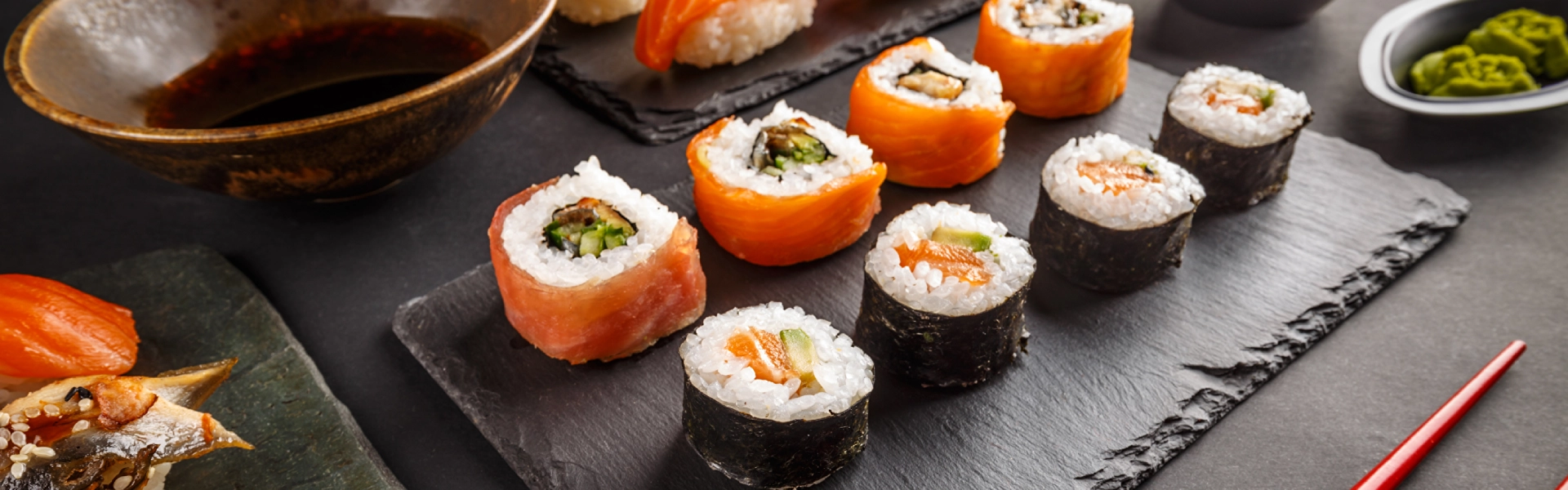
Make your own sushi: instructions and info
What do you need for homemade sushi? What methods are available for preparing sushi? Immerse yourself in the culinary world of Japanese cuisine and let yourself be inspired. Read on to find out more.
The key points
- The basic equipment for sushi is sushi rice, nori leaves, rice vinegar, a bamboo mat and a sharp knife.
- You can use ginger, soya sauce and wasabi for flavouring.
- Traditional sushi contains fish, which should be bought in “sushi grade”, stored well chilled and processed as freshly as possible.
- The types of sushi include maki sushi, inside out sushi, nigiri sushi, sushi tempura, onigirazu and black sushi.
- You can prepare your sushi vegetarian, vegan or with fish.
- Sushi was originally a method of preserving freshwater fish.
What you need for homemade sushi – the right sushi set
You can prepare sushi in many different ways. If you want to make perfect sushi at home, you should get yourself some basic equipment.
In addition to sushi rice, nori seaweed leaves and rice vinegar, a bamboo rolling mat will help you to prepare the appetiser. A sharp knife makes it easier to cut fish and seaweed.
It is best to use pickled ginger, soya sauce and wasabi for seasoning.
Fish is traditionally another important ingredient in sushi. The fish is rolled up raw in the seaweed leaf, surrounded by rice.
When buying fish for raw consumption, make sure that it meets the special quality standards. Fish labelled “sushi grade” has already been frozen for at least 24 hours at a minimum of -20 degrees Celsius to protect it from certain parasites (e.g. nematodes). However, labelling is not mandatory.
If you make your own sushi, your salmon, eel, tuna or any other fish should be as fresh and consumed as soon as possible. You should especially ensure that perishable ingredients such as fish are chilled as quickly as possible. The perfect storage location for fish is the BioFresh Fish & Seafood safe. This will keep it fresh for up to 4 days.
Alternatively, you can also prepare the sushi and then freeze it fresh to ensure a longer shelf life. Defrosting should be as gentle as possible.
Background information on making sushi yourself
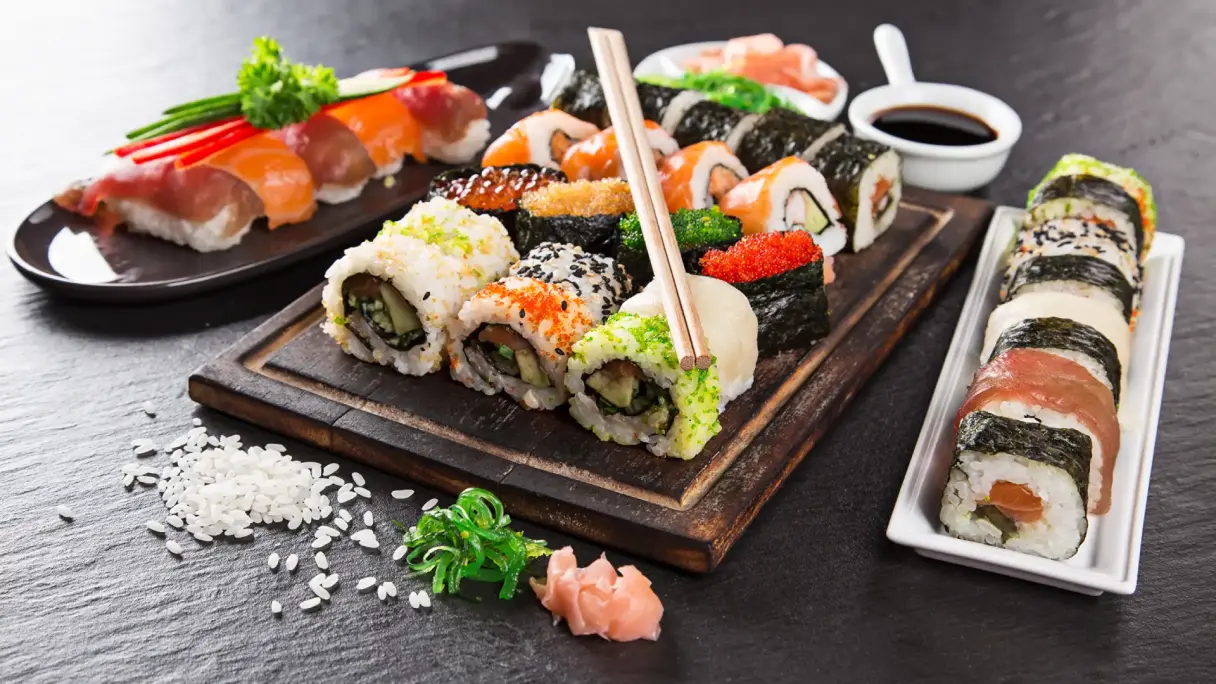
Not all sushi is the same. There are many different types of production. Be creative and try things out. Whether inside out, maki or black sushi, sushi is a healthy dish and can add a special culinary flavour to your diet.
In the long run, high sushi consumption can become quite expensive for you. We therefore recommend making your own sushi.
You can make the following types of sushi yourself:
- When you think of sushi, you probably think of maki sushi. Maki sushi is made by rolling up nori seaweed filled with rice and any chosen fish or vegetables. The roll is then cut into 2 to 3 cm thick slices.
- The situation is similar for inside out sushi. The fish or vegetables are in the centre of the roll. However, the fish is surrounded by nori algae. You will see the sushi rice is the outer layer. You can then roll the roll in black or white sesame seeds.
- Sushi tempura is maki sushi deep-fried in panko or tempura batter. The batter consists of egg, flour and cornflour.
- Onigirazu is also called a sushi sandwich. A nori leaf is used for this. Place a layer of rice and the topping in the centre of the leaf. Then fold all the corners towards the centre to create a triangular sandwich.
- If you want something special, black sushi can also be a good choice. Black sushi is made with black rice. Black sushi looks particularly beautiful and unusual when served.
Maki sushi with salmon
175 g sushi rice
250 ml water
3 tbsp rice vinegar
1 tsp salt
1 tsp sugar
150 g salmon fillet
2 nori seaweed leaves
½ tsp pickled ginger
Soya sauce
Recipes: Make your own sushi.
Preparation:
1. Cook the rice in a saucepan according to the instructions on the package. Leave the rice to swell with the lid on without allowing the steam to escape, then remove the lid and leave the remaining water in the rice to evaporate for about five minutes.
2. After cooking, mix the rice vinegar with the sugar and salt and work into the rice.
3. Wash the salmon and leave to dry. Cut the fillet into centimetre-thick strips.
4. Place the nori leaf on the bamboo mat with the smooth side facing down.
5. Spread the rice over the entire surface, leaving one centimetre free on one long side.
6. Cover the other side with the salmon strips.
7. You should now carefully wrap the nori leaf with the bamboo mat. By lifting the mat, you can roll up the roll completely.
8. Cut your sushi to size and enjoy it with some pickled ginger and soy sauce.
9. It is important to thoroughly clean all objects and surfaces that have come into contact with the fish and wash them with washing-up liquid before rinsing. This minimises the risk of bacteria spreading.
Vegan onigirazu and sushi rolls
Ingredients:
250 g sushi rice
350 ml water (see package instructions)
1–2 tbsp rice vinegar
½ tbsp salt
1 tbsp sugar or agave juice
6 nori seaweed leaves
½ tsp pickled ginger
Soya sauce
For the filling:
50 g vegan cream cheese
1 handful spinach
1 avocado
½ mango
12 sun-dried tomatoes
25 g walnuts
Vegan sushi recipe
Don’t want to eat fish or meat? This is not a problem in the world of sushi. Fill your sushi with a wide variety of vegetables.
The classic choice for sushi is avocado, carrot or cucumber. Other possible ingredients are peppers, mushrooms, spring onions, tofu, pickled radish or boiled sweet potatoes. Fill your sushi just the way you like it.
Vegan fish could also be an option for you. Other substitutes that you can use for your sushi are vegan cream cheese, tuna, salmon or caviar.
In general, you can give free rein to your creativity when topping. Combine whatever tastes good together.
Preparation:
You can prepare the roll and sandwich as described above for maki sushi.
How sushi came about
Sushi originates from South East Asia. The Japanese dish was originally a method of preserving freshwater fish.
The fish was placed in containers with cooked rice. A fermentation process meant that the fish kept significantly longer. The sour rice was thrown away.
Over the years, people also became able to afford fresh fish. It was offered at the harbour, served on rice. This method is known as nigiri sushi.
Nowadays, the acidity in rice is achieved by adding rice vinegar. This also ensures a longer shelf life.
You might find this interesting…

Store sushi and enjoy it fresh
Storing sushi: practical tips for the optimal storage of prepared sushi and important ingredients. Read on to find out how.
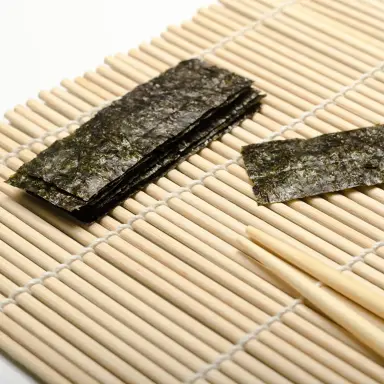
Nori seaweed – delicious to prepare and easy to store
Practical tips for preparing savoury nori seaweed and helpful information for optimal storage!
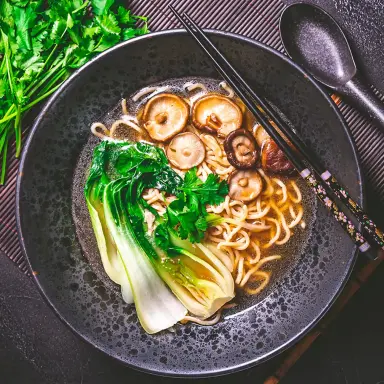
Ramen – a Japanese speciality
Ramen is the perfect meal for leftovers. Find out how to make your own ramen soup here. Read on to find out how.