Flour: nutritional values, calories and its special properties
Different types of grain, different type numbers: a glance at the flour shelf can quickly be overwhelming. Which flour and its nutritional values makes the cake taste best? Which flour gives bread the desired consistency? Read on to find out the answers to these questions. Next time you go shopping, you can then confidently choose your favourite flour.
The key points
- Not all flour is the same: the higher the type number, the more husk content, minerals and fibre the flour contains.
- Wholemeal delivers health benefits: wholemeal flour contains the most nutrients – ideal for a high-fibre diet.
- The purpose decides: fine cakes are best made with type 405, strong breads with type 1050 or wholemeal flour.
- Raw flour may contain germs: so always bake the dough thoroughly and avoid eating it raw – especially with children.
Flour: the nutritional values of the different types
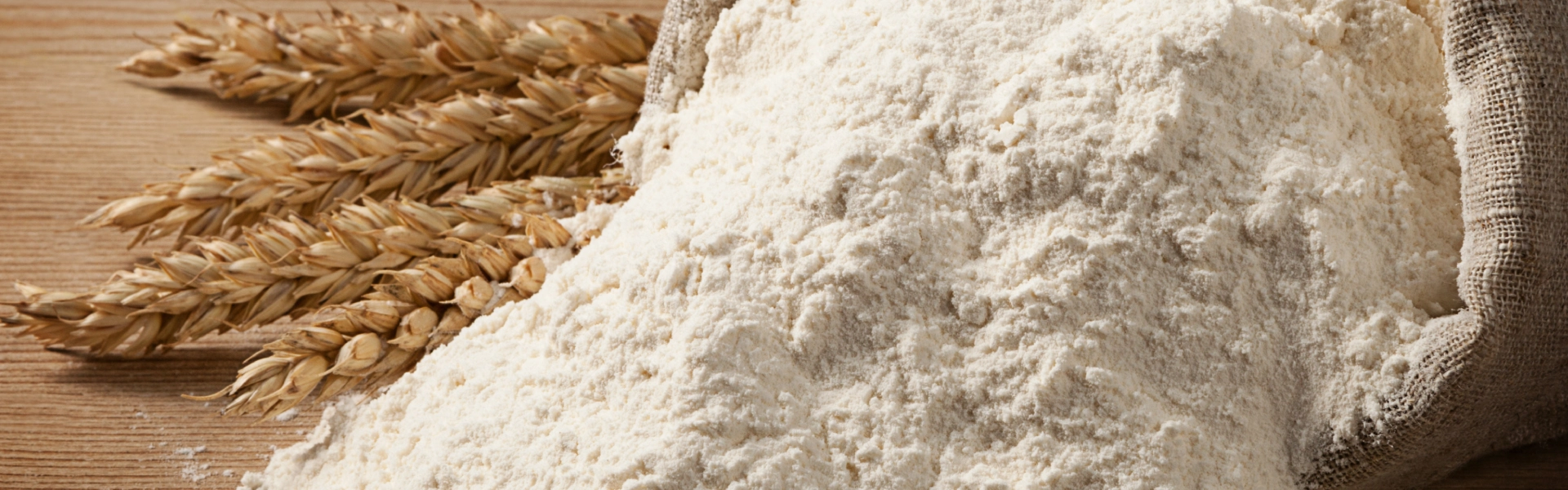
By flour, we mean ground grain with a particle size of between 14 and 120 µm. We distinguish between wholemeal and white flour depending on whether the whole grain, including its outer layers, or only the inside of the grain, the so-called endosperm, is ground. White flour is available in different degrees of milling. In these cases, the type number indicates how much husk content is still contained. The higher the type number, the higher the husk content. A higher husk content is also associated with the nutritional values of the flour as well as a higher content of fibre, minerals and vitamins.
In terms of health, wholemeal flour is ahead – closely followed by flours with a high number of types. However, since taste and enjoyment are also important, it is helpful to select the type of flour according to its intended use. The calories also vary depending on the type of flour:
| Flour type | Use | Calories (per 100 g) |
| Wheat flour, type 405 | fine cakes (e.g. sponge cake, sponge, biscuits) | approx. 340 kcal |
| Wheat flour, type 550 | light-coloured rolls, light bread, coarser cakes, mixes with wholemeal flour | approx. 340 kcal |
| Wheat flour, type 1050 | strong bread, mixed breads, darker bread rolls | approx. 330 kcal |
| Wholemeal wheat flour | wholemeal bread, high-fibre baked goods, combines well with type 550 | approx. 320 kcal |
| Spelt flour, type 630 | light spelt rolls, fine pastries with a slightly nutty flavour | approx. 340 kcal |
| Spelt flour, type 1050 | dark spelt bread, savoury pastries | approx. 330 kcal |
| Wholemeal spelt flour | wholemeal spelt bread, seeded doughs with a high fibre content | approx. 320 kcal |
| Rye flour type 1150 | savoury rye bread with sourdough, strong flavour, not suitable for fine pastries | approx. 320 kcal |
When you buy flour, pay attention to nutritional values, calories and intended use. This will give you a fluffy pastry. Incidentally, the lower the degree of milling, i.e. the flour type, the longer the shelf life of the flour. Flour type 405 has a shelf life of up to 18 months if stored in a dry place. Wholemeal flour, on the other hand, only lasts six to twelve months, as it can become rancid more quickly. Nevertheless, use up your product early on, as this ensures the best baking properties.
Is raw flour really poisonous?
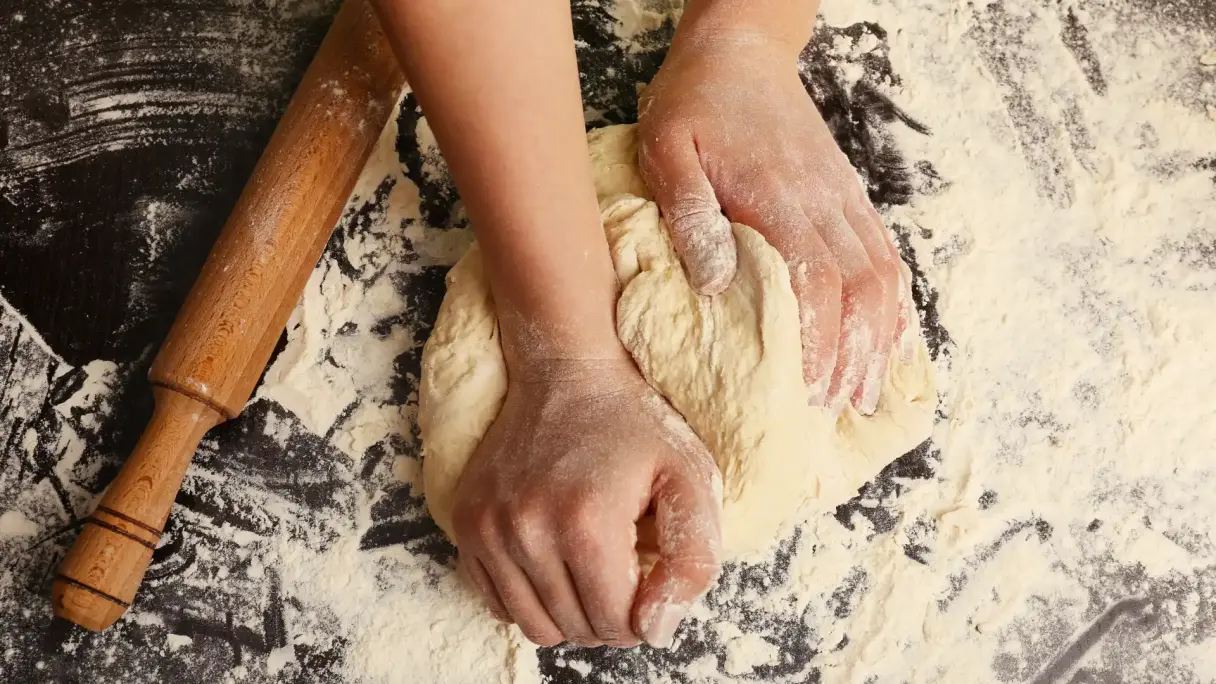
Raw flour is not directly considered poisonous, but it can harbour health risks, as during production flour can be contaminated with germs such as E. coli. When flour is baked or cooked, these germs are killed by heat – but they remain intact when the flour is raw. This can be a particular problem when snacking on raw dough from your fridge or when baking with children. Nausea, abdominal cramps or diarrhoea can be the result. If you want to be on the safe side, you should only ever eat flour when it’s cooked and not let children nibble on the raw dough. In particular, thoroughly bake dough that has been stored in your fridge for a long time. This will ensure you stay healthy after eating flour and can enjoy nutritional values and baked goods.