
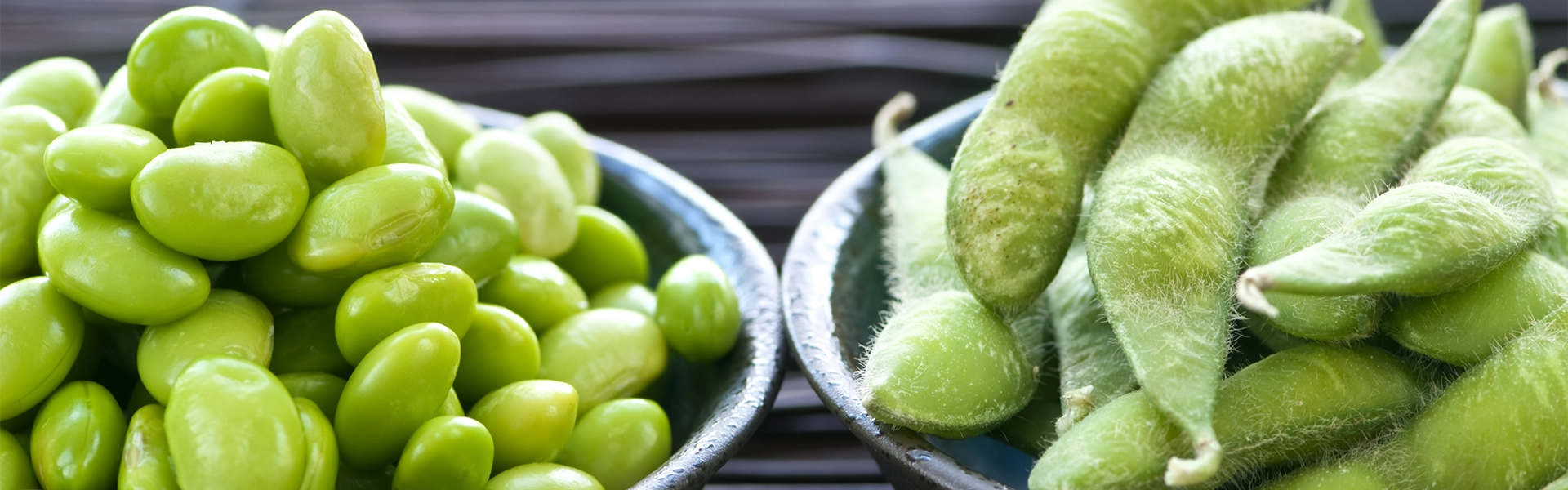
Edamame: nutritional values of the protein-rich pod snack
Delicious, healthy and versatile: edamame, soya beans harvested before they ripen, are very popular as a snack or side dish. To allow them to develop their full flavour and edamame to retain its valuable nutritional values, it’s crucial that you prepare them correctly. Read on to find out edamame’s nutritional values and the best way you can use the protein-rich beans.
Storage time*
| BioFresh Fruit & Vegetable safe just above 0 °C with high humidity | 14 days |
| EasyFresh safe 7 °C with air regulation plate | 7 days |
| Fridge compartment 7 °C | 6 days |
| Freezer compartment -18 °C | 15 months |
The key points
- What is edamame? Unripe harvested, green soya beans with a high protein and fibre content together with lots of vitamins and antioxidants.
- Cook the pods in boiling salted water for approx. seven minutes, drain and sprinkle with coarse salt.
- Store fresh pods in the fridge, ideally in the vegetable compartment with high humidity.
- Enjoy as a healthy snack or ingredient in creative dishes like poke bowls, salads or dishes prepared in a wok.
Edamame: origin and nutritional values – list of contents
The origin of edamame and its nutritional values
In East Asia, several thousand years ago, soya beans were already a key element in everyday meals. If you harvest the soya bean pods in their green, ripened state, then you get what are known as edamame. Edamame deliver outstanding nutritional values – just 5 % fat and 9 % carbohydrate as well as 12 % high-quality protein. Their fibre content is high, which means edamame make a positive contribution to the daily diet. Last but not least, also worth mentioning are their remarkable amount of micronutrients. These include vitamins, minerals and trace elements, as well as the numerous health-promoting antioxidants.
In addition, edamame provides a large number of valuable nutrients that are beneficial for the human body. It’s particularly worth highlighting their high content of folic acid, which plays a key role in cell division and blood formation – this nutrient is very important, especially for pregnant women. The green beans also contain vitamin K, which contributes to blood clotting and bone health. Edamame is also an excellent source of iron, calcium, magnesium and potassium – vital minerals for muscle function, maintaining healthy bones and energy metabolism. The secondary plant substances they contain with an antioxidant effect could have a positive impact on the cardiovascular system and hormonal processes.
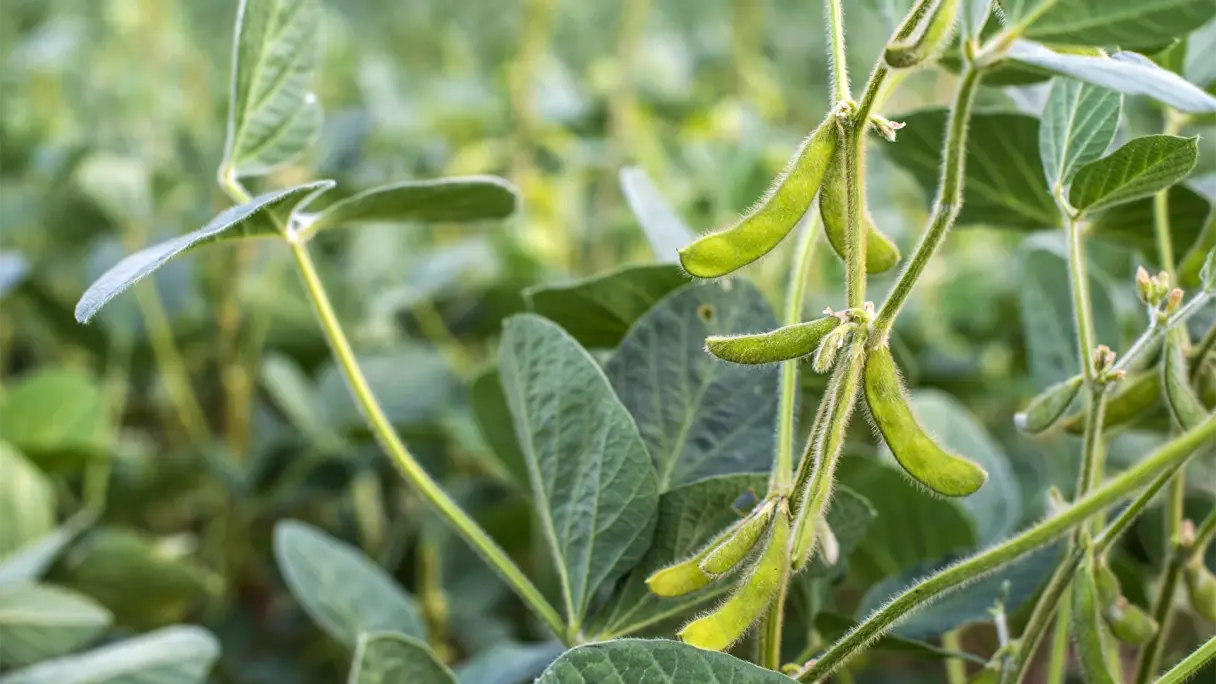
Boil edamame and prepare gently
To allow the nutritional values to have a positive impact on your body, the legumes should be prepared gently. Edamame are available as whole pods or as seeds already released. If you get fresh pods directly, it’s best to store them in the fridge. A BioFreshFruit & Vegetable safe from Liebherr provides a particularly high humidity level and low temperatures. These conditions will ensure that edamame stay nice and crunchy for up to two weeks. This will preserve edamame’s vital nutrients.
How should you prepare edamame? You should definitely consume them cooked, like most other legumes. But edamame only need to be cooked for a few minutes, and then they’re ready to eat. The classic edamame snack is easy to prepare: simply place the fresh or frozen edamame pods in boiling salted water and cook for about seven minutes. Drain and sprinkle coarse salt over the pods. The beans are now easy to remove from the pod and enjoy as a snack.
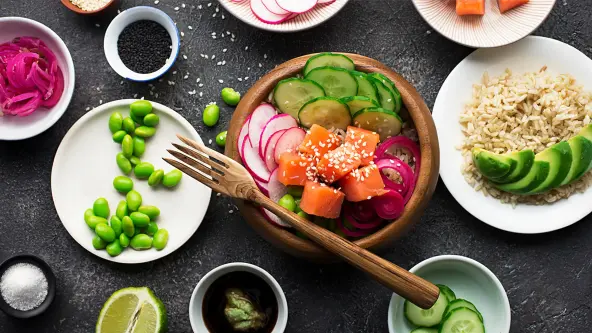
Besides the simple snack, healthy edamame are great to use as a vegetable for a variety of dishes. To do this, cook the whole pods or shell the beans before blanching them in salted water. Now you can let your imagination run wild. In salads, bowls and other creative dishes, the nutrients of edamame can be retained by cooking them for just a short time and supplemented with other types of vegetables.
*All specifications given are to be considered as guideline values, and depend in each case on the type of foodstuffs and on the proper storage without interruption of the cold chain from harvest/production through to the Liebherr appliance. Should food products have information about minimum shelf life, the date on the packaging always applies.
This might also interest you
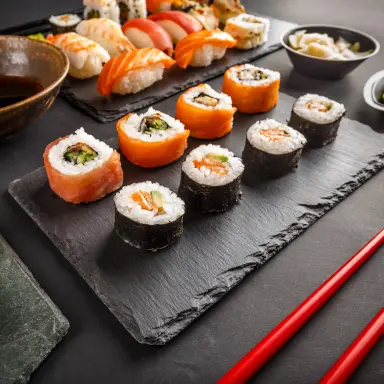
Make your own sushi
Is sushi your favourite dish? Make delicious sushi yourself: vegan, vegetarian and classic sushi. Find out more now.
Eat healthily: could food replace medicine?
Find out how eating healthily can boost your well-being. Valuable tips, nutrients and inspiration for a health-conscious lifestyle!
Top 10 foods that provide energy!
These ten foods provide us with plenty of energy. Which foods are particularly suitable for breakfast and which for lunch? Find out more!