Corn – golden yellow and sweet
Corn is not only a popular food, but also an important ingredient in many cuisines around the world. Whether as a side dish, snack or main ingredient, it has a wide range of uses. In this article, you will learn everything about the nutritional values of corn, its health benefits and tips for storage. We also examine whether dogs can eat corn and how healthy tinned corn is.
Storage time*
| BioFresh Fruit & Vegetable safe just above 0 °C with high humidity | 5 days |
| Fridge compartment 7 °C | 2 days |
| Freezer compartment -18 °C | 12 months |
The key points
- Corn belongs to the Poaceae family.
- Corn is found worldwide and is one of the most important types of grain.
- With around 16% carbohydrates, corn provides quick energy.
- Dogs can eat small amounts of well-cooked, unseasoned corn.
- Removed kernels are easy to freeze.
Corn: an important cereal crop worldwide
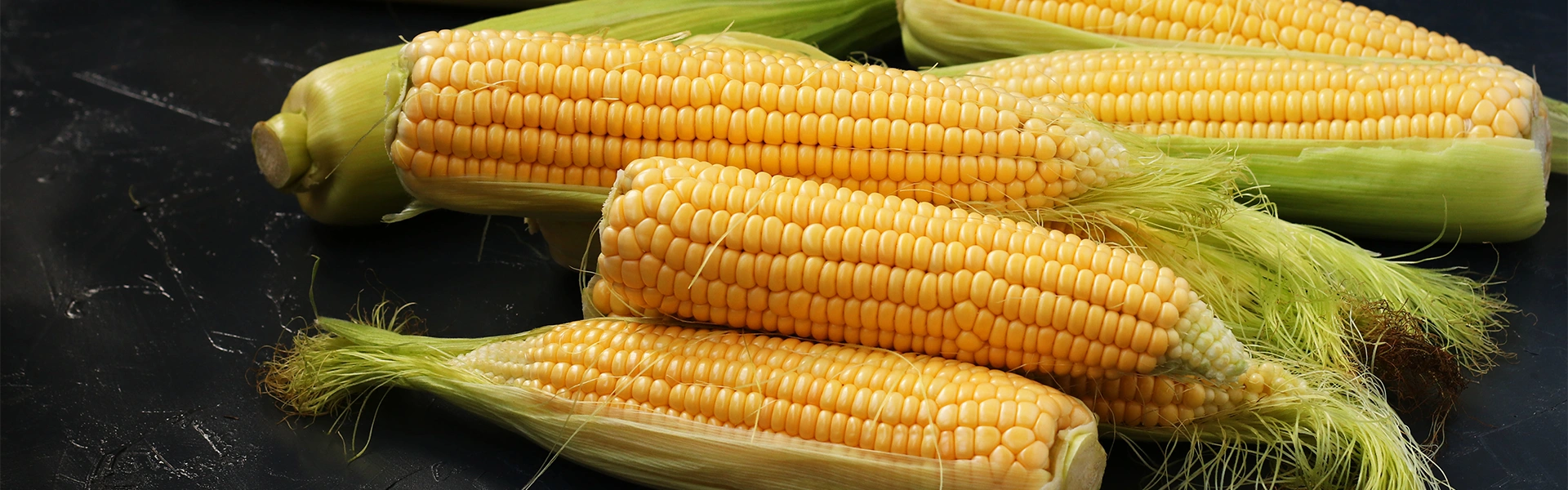
What exactly is corn? The scientific name of corn is Zea mays. The plant belongs to the Poaceae family, which also includes wheat, rye, oats and rice. Corn cultivation has increased significantly in recent decades and is now one of the most important cereal crops worldwide. Originally native to South America, corn is now grown in many countries, with varieties varying depending on the region.
Flint corn dominates in Europe, while dent and waxy corn are common in the USA. For hobby gardeners, growing sweet corn is a worthwhile option, as it tastes particularly sweet when freshly harvested. When growing, ensure sufficient sunlight and regular watering to achieve a rich harvest.
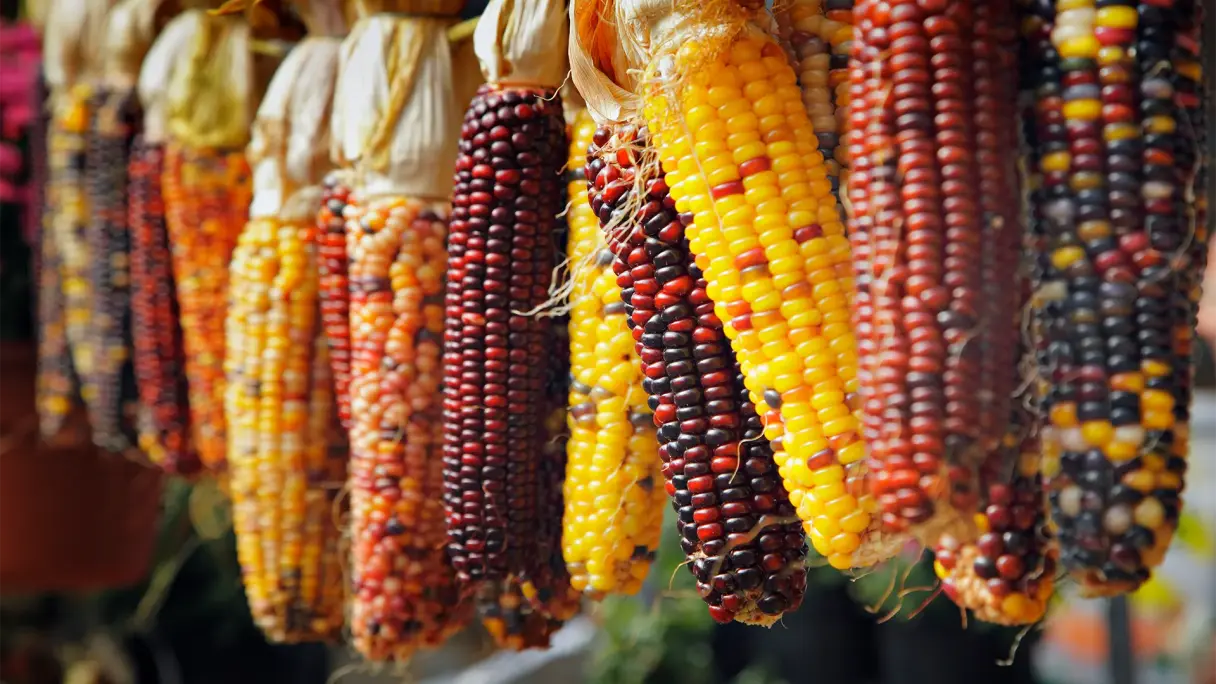
The tasty grains may be white, yellow, red or blue. Have you ever heard of glass gem corn? The kernels of this special corn cob are not yellow as usual, but can also be red or purple.
Corn: nutrients and calories at a glance
Corn is not only tasty, but also nutritious. With a high carbohydrate content (approx. 16 %), it provides quick energy. It is also rich in important nutrients such as beta-carotene, magnesium and zinc, which contribute to good health. However, the protein content is relatively low (approximately 3 %). A 100-gram serving of corn has about 86 calories. To get the most out of the nutrients, it is best to use fresh or frozen corn, as tinned corn often contains fewer vitamins.
Can dogs eat corn?
Yes, dogs can eat small amounts of corn, but there are some important points to keep in mind. Fresh corn is generally better than tinned corn, as the latter often contains sugar, salt or preservatives that can be harmful to dogs. If you want to give your dog corn, boil it well and mash it up. This makes the nutrients more readily available and reduces the risk of digestive problems. Raw corn is difficult to digest because dogs have trouble breaking down plant cell walls. Serve the corn without seasoning, butter or salt, as these additives can cause gastrointestinal problems. Corn can be a good addition to a normal meal, but should never be the main source of nutrition.
How healthy is tinned corn?
Tinned corn is a practical option when fresh corn is not available. However, it may contain fewer nutrients, as the preservation process breaks down some vitamins. When buying, look for products without added sugar or preservatives. Tinned corn is ideal for salads, soups or as a side dish. To maximise the nutritional content, combine tinned sweetcorn with fresh vegetables or other healthy ingredients.
Tips for storing corn correctly
Storing corn correctly is crucial to preserving its freshness and sweetness. Fresh corn should be stored in the fridge, ideally in the BioFresh Fruit & Vegetable safe or in a damp kitchen towel to retain moisture. At a temperature just above 0 °C, it will stay fresh for up to five days. Removed kernels can be frozen without any problems to extend their shelf life. Corn flour and starch should be stored in airtight containers in a cool, dry place to maintain their quality.
Versatile preparation of corn
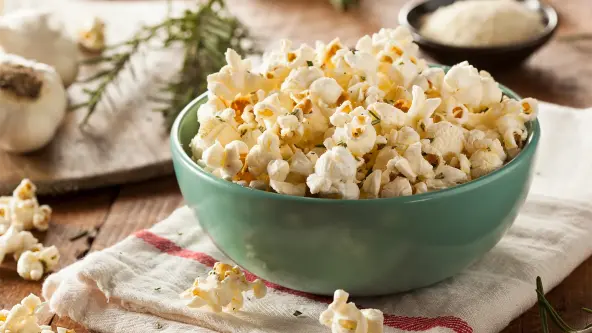
Due to its worldwide cultivation, the variety of corn recipes could not be greater: and popular dishes include corn bread, polenta, popcorn, tortillas or cornflakes. Due to its sweet-mealy taste, corn goes well with meat dishes. But the golden yellow grain also tastes great with tomatoes, beans or pumpkin.
Boiling and grilling corn
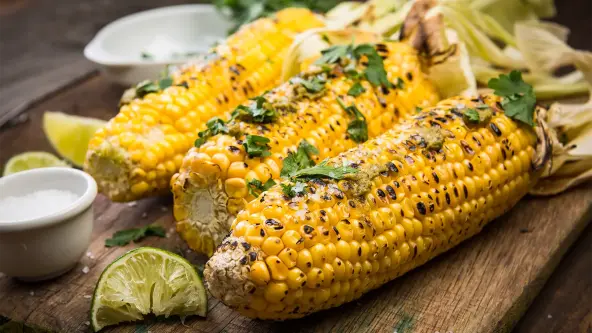
Fresh sweet corn should be blanched in lightly salted water for about 5 to 7 minutes before boiling, until the kernels are tender. Be careful not to boil the cobs for too long, as they will lose their sweetness. Another option is to grill the corn cobs, which gives them a delicious aroma. Simply serve the cooked corn with a little butter and a pinch of salt, or use it as an ingredient in salads and other dishes. This preserves the natural flavour of the corn and allows you to enjoy its versatility!
*All specifications given are to be considered as guideline values, and depend in each case on the type of food and on the proper storage without interruption of the cold chain from harvest/production through to the Liebherr appliance. Should food products have information about minimum shelf life, the date on the packaging always applies.