
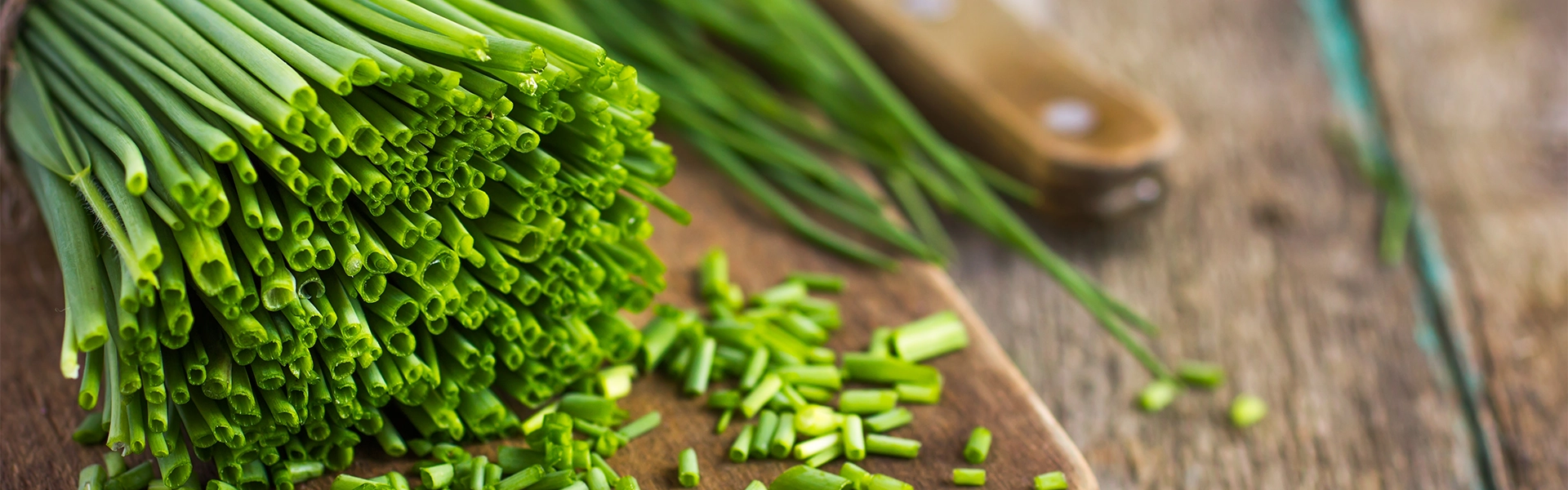
Chives – nutritional values and good flavour
Chives add green highlights to scrambled eggs, take buttered pretzels to a new level of flavour, and are also said to have good nutritional values and some health-promoting properties. The good news: We can all grow chives at home on the windowsill. So you always have the thin, green stalks to hand. We explain everything you need to know about chives: their nutritional values, vitamins and how you can store them.
Storage time*
| BioFresh Fruit & Vegetable safe just above 0 °C with high humidity | 13 days |
| EasyFresh safe 7 °C with air regulation plate | 6 days |
| Fridge compartment 7 °C | 3 days |
| Freezer compartment -18 °C | 12 months |
The key points
- Chives are rich in nutrients and support bone function.
- The green stalks are sensitive to heat and are most flavourful when raw.
- Chives are ideal for salads, scrambled eggs, potato dishes, and as a topping.
- Store chives in the fridge.
- When cut into rings for freezing, chives retain their colour and aroma for many months.
Chives and their effect
The Latin name for chives is Allium schoenoprasum. Chives probably originated in the Eurasian region and were already known to the Romans. They have been cultivated in large parts of Europe since the Middle Ages and has spread from there across the temperate and subarctic zones of the northern hemisphere. The stalks grow from a cylindrical bulb with a diameter of 0.5–1 cm. They can grow to a height of 30–50 cm. Chives need loose and nutrient-rich soil for this.
The Romans recognised the anti-inflammatory properties and nutritional value of chives. They used them primarily against sunburn, but also against sore throats. Even the herbalists of the Middle Ages knew about the positive effects of chives. They not only used them to drive away spirits, but also cured gastrointestinal complaints with them. To this day, chives are often recommended for such complaints, especially if they are accompanied by flatulence and loss of appetite.
Chives contain a lot of vitamin K. This serves to strengthen the bones and can therefore counteract osteoporosis. They also support good utilisation of vitamin D – the sun vitamin.
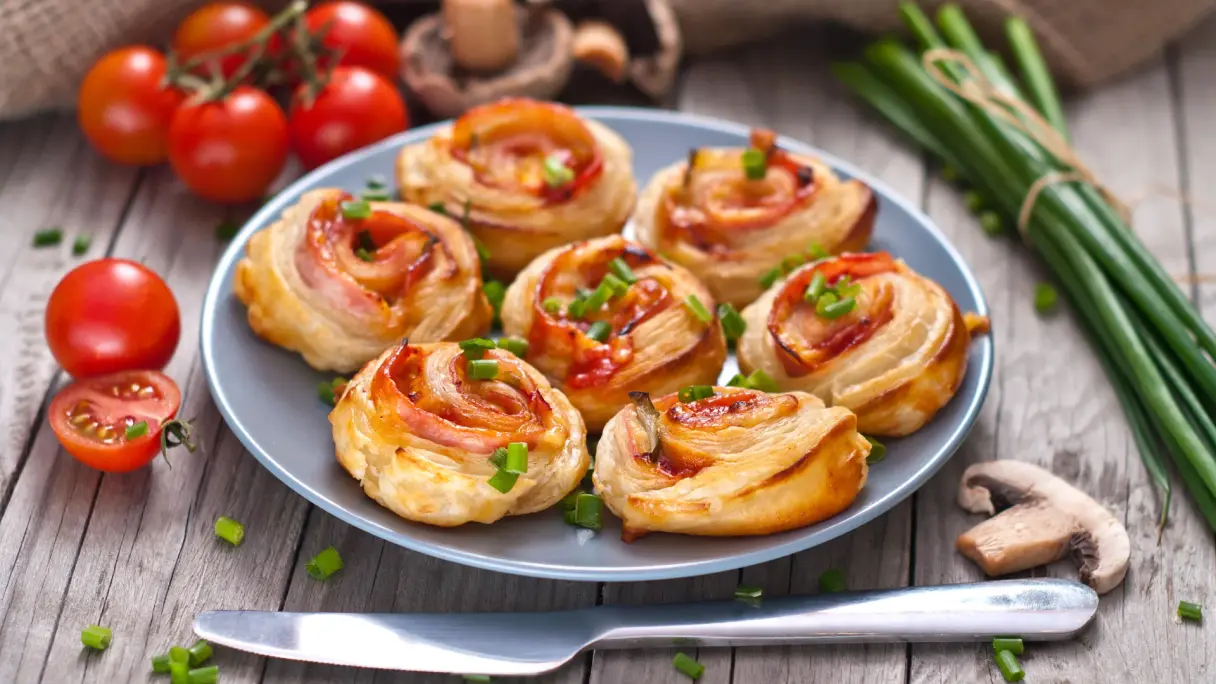
Add flavour to dishes with chives
Chives are sensitive to heat, so you should only use them cold. In cold cuisine, however, it enhances most dishes enormously. Many people love it in scrambled eggs, for example, or simply on a buttered slice of bread or pretzel. In general, its flavour is ideal for egg dishes and potato dishes. But chives also add flavour as a topping for soups or in salads. Chives’ colourful flowers are a real eye-catcher in salads!
Here’s a little tip: If you use store-bought chives, it is best to opt for organic quality for the nutritional values. According to analyses by the Federal Office of Consumer Protection and Food Safety, fresh herbs are among the foods that most frequently contain the maximum levels of pesticide residues. However, you should not worry too much about this – as a rule, herbs with excessive residues are not sold in supermarkets.
How should you store chives?
The easiest way is to cut the stalks into small rings and freeze them in a small container in your freezer. This means that the chives and their nutritional values are available all year round and lose neither their colour nor their flavour.
BioFresh from Liebherr ensures that sensitive food stays fresh for much longer thanks to precise temperature control, just above 0 °C, and precisely regulated humidity – ideal for fresh herbs such as chives. The high humidity in a special drawer is designed for water-rich foods. These conditions slow down the natural ageing process and prevent dehydration. Chives in the BioFresh safe stay flavourful, green and crunchy for up to 13 days. This allows you to benefit from the full nutritional values of the chives while also reducing food waste.
Chives stay fresh for up to 3 days in the normal fridge compartment of the fridge and a little longer in a moist cloth.
*All specifications given are to be considered as guideline values, and depend in each case on the type of food and on the proper storage without interruption of the cold chain from harvest/production through to the Liebherr appliance. Should food products have information about minimum shelf life, the date on the packaging always applies.
This might also interest you
Identifying wild herbs for safe collection
Do you enjoy searching for herbs, but are often unsure what they are? Read on to find out everything you need to know about how to identify wild herbs.
Storing fruit and vegetables – fridge or room temperature?
Find out how to store fruit, how to keep fruit flies away and how to store vegetables correctly.
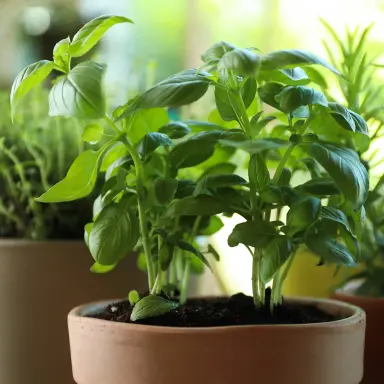
Indoor herb garden – the best way to grow herbs!
Indoor herb garden: want to grow herbs on the windowsill? Find out where herbs grow best and which types are most suitable here