

Liebherr-Werk Biberach GmbH
Memminger Straße 120
88400 Biberach an der Riß
Germany
Press releases | 31/07/2026
Tower cranes are built for construction sites. Deep inside a protected section of the Amazon rainforest in Brazil, four Liebherr 85 EC-B units are doing something entirely different: lifting scientists above the rainforest canopy to study how the world's largest tropical forest may respond to rising CO₂ levels in the coming decades.
At the AmazonFACE experimental site near Manaus, Brazil, the boundary between construction technology and climate science has effectively dissolved. The four Liebherr cranes installed here are not building anything. They are the primary means of access for a international team of researchers conducting what may be the most consequential ecological field experiment currently underway anywhere on the planet.
The AmazonFACE programme — the largest scientific partnership between Brazil and the UK — was created by the Ministry of Science, Technology and Innovation. Led by Brazil's National Institute for Amazonian Research (INPA) in collaboration with the University of Campinas (Unicamp), AmazonFACE (Free-Air Carbon Dioxide Enrichment) exposes an intact section of old-growth Amazon rainforest to CO₂ levels projected for the coming decades. The programme operates within a living, functioning ecosystem that plays a decisive role in the global carbon cycle. Using the method developed by the AmazonFACE team of over 150 specialists in collaboration with the UK Met Office and other partners, researchers can observe in real time how the forest canopy, soil, biodiversity and carbon uptake dynamics respond to future global atmospheric conditions.
Researchers from the United Kingdom, Germany, Austria, the Netherlands and the United States are active members of the scientific committee. The programme explicitly targets outputs that will inform both regional Amazonian policy and international climate frameworks, including the commitments discussed at COP30, which took place in Belém, Brazil, in November 2025.
The Amazon basin stores an estimated 150 to 200 billion tonnes of carbon in its vegetation and soil. Whether that carbon store grows, remains stable or diminishes under rising CO₂ concentrations is one of the central unresolved questions in Earth system science — and the answer will substantially shape projections for global warming trajectories. ‘Some phenomena that occurred very rarely began to be very frequent. The entire climate of the region started to become very abnormal,’ states Bruno Takeshi, operations lead for the AmazonFACE programme.
The decision to deploy tower cranes at AmazonFACE rather than scaffolding structures, elevated walkways or other access platforms was made explicitly on grounds of environmental preservation. A tower crane's mast occupies an exceptionally small area of ground — a critical consideration when working within an old-growth forest where soil disturbance, root system damage and canopy opening must be kept to an absolute minimum. At the same time, the crane's horizontal reach means a single unit can cover a wide area of experimental plot without requiring repositioning, eliminating the repeated ground disturbance that any alternative access solution would entail.
The four cranes raise researchers safely from the forest floor to heights exceeding 45 metres — above the tree canopy — where measurements of CO₂ concentrations, plant physiology, microclimate parameters and biodiversity indicators can be conducted under the actual conditions of the enriched atmosphere. Reflecting on her experience working on site, Maria Juliana Monte, site engineer for the AmazonFACE programme, explains: ‘You don’t expect to be so close to the forest. And then I’m working within it - you can understand its real importance very well.’ To facilitate this, the AmazonFACE programme has obtained all required national authorisations and safety certifications for personnel lifting by tower crane.
The selection of the 85 EC-B was driven by a combination of technical and environmental criteria that few alternative platforms could satisfy simultaneously. ‘Here in the Amazon rainforest, the use of the crane is that scientists can study nature conservation more efficiently. The four Liebherr 85 EC-B 5 tower cranes were chosen precisely because they can withstand the extremes of heat and humidity and not disturb the habitat,’ says Bruna Prisco, application engineer at Liebherr in Brazil. The EC-B series is Liebherr's compact flat-top tower crane range, developed for applications where space constraints and operational precision take precedence. Its flat-top design eliminates the traditional A-frame head, reducing overall height above the jib and allowing multiple cranes to operate in overlapping radius zones without interference — a characteristic that proved particularly relevant in the dense canopy environment of the Amazon, where the four units must cover the full extent of the experimental plots without one crane passing loads over another's mast structure.
The 85 EC-B offers a maximum jib length of 50 metres and a maximum lifting capacity of 5,000 kg. Its frequency-controlled drives deliver smooth acceleration and deceleration across both the hoist and slewing axes, minimising vibration during vertical travel through the canopy layers. This same precision allows sensitive scientific instruments — gas analysers, sensors, sampling equipment — to be transported to measurement height without risk of damage from mechanical shock.
Two of the four units were manufactured at Liebherr's production facility in Brazil; the other two were produced in Spain. Liebherr-Brasil supports the programme on an ongoing basis with operator training, maintenance instruction, spare parts supply and on-call technical assistance — essential continuity for a remote research site with limited logistics infrastructure.
By providing a reliable, safe and environmentally responsible platform for canopy-level research, the four Liebherr 85 EC-B tower cranes are enabling scientific work that would otherwise be impossible at this scale. In a programme where every measurement taken above the forest canopy adds to the collective understanding of the planet's largest terrestrial carbon sink, crane technology is not peripheral infrastructure — it is the means by which science reaches the places it needs to go.
Transparency note:
The tower cranes used in the AmazonFACE programme were acquired based on technical and operational criteria, aimed at meeting the specific infrastructure needs of the experiment. The mention of Liebherr-branded equipment is purely informative and does not represent any form of institutional, commercial, or reputational endorsement of the company or its corporate practices. The AmazonFACE programme, which is scientifically coordinated by INPA, Unicamp and the Met Office, and supported by the Brazilian and UK governments, remains committed to science, transparency and integrity in all its actions.
22/09/2026
Listicles
Five questions that show why planning a tower crane deployment is more complex than you might think
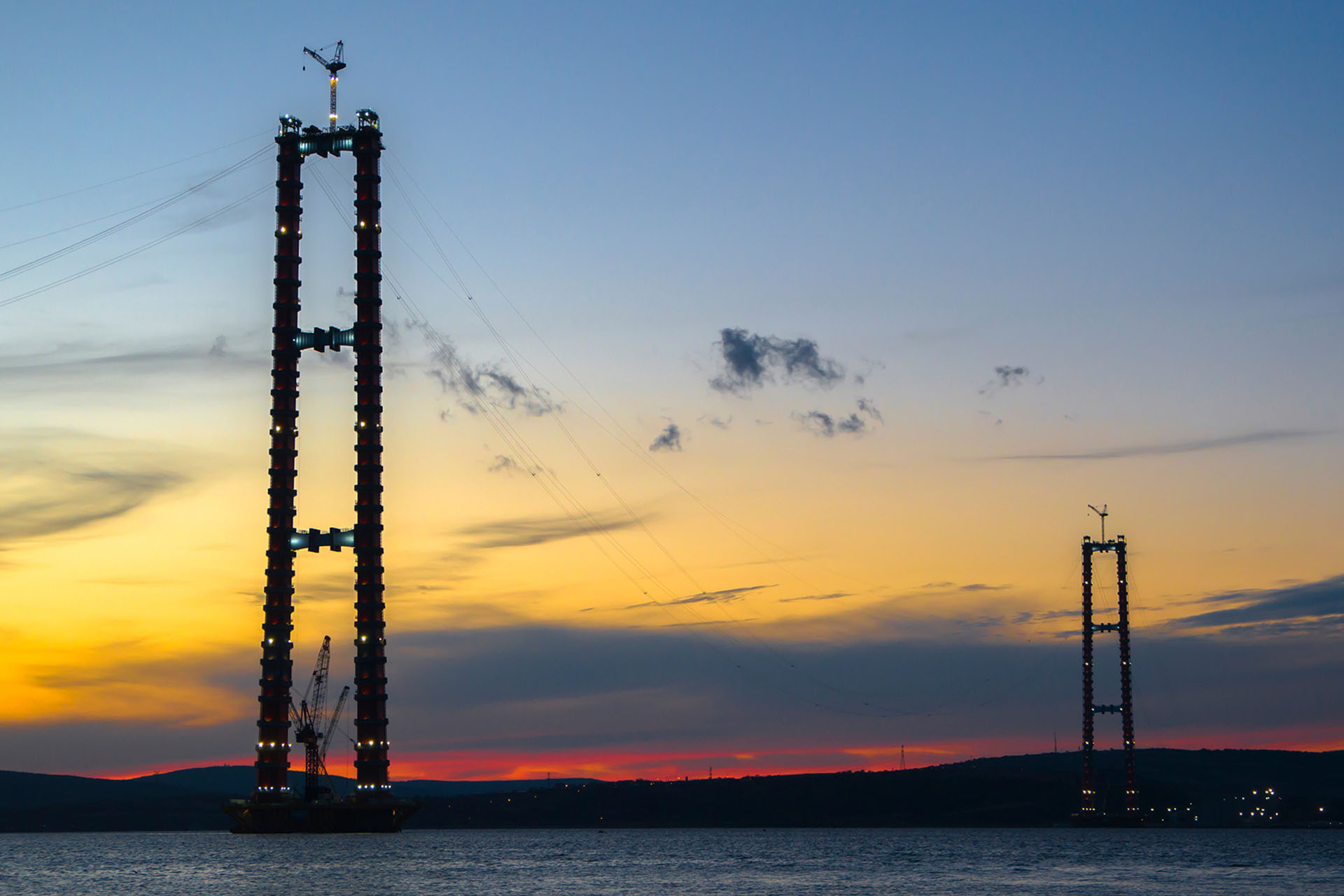
On spectacular construction sites, it's the structures that take the spotlight. But building bridges, tunnels or skyscrapers in the first place often demands equally extraordinary crane concepts. From the Sagrada Família in Barcelona to the Fehmarnbelt Tunnel in Denmark, Liebherr supports demanding tower crane deployments worldwide. Max Widder, Head of Project Planning at Tower Crane Solutions, gives insight into the challenges behind some of the most complex crane projects in the world.
10/09/2026
Press releases
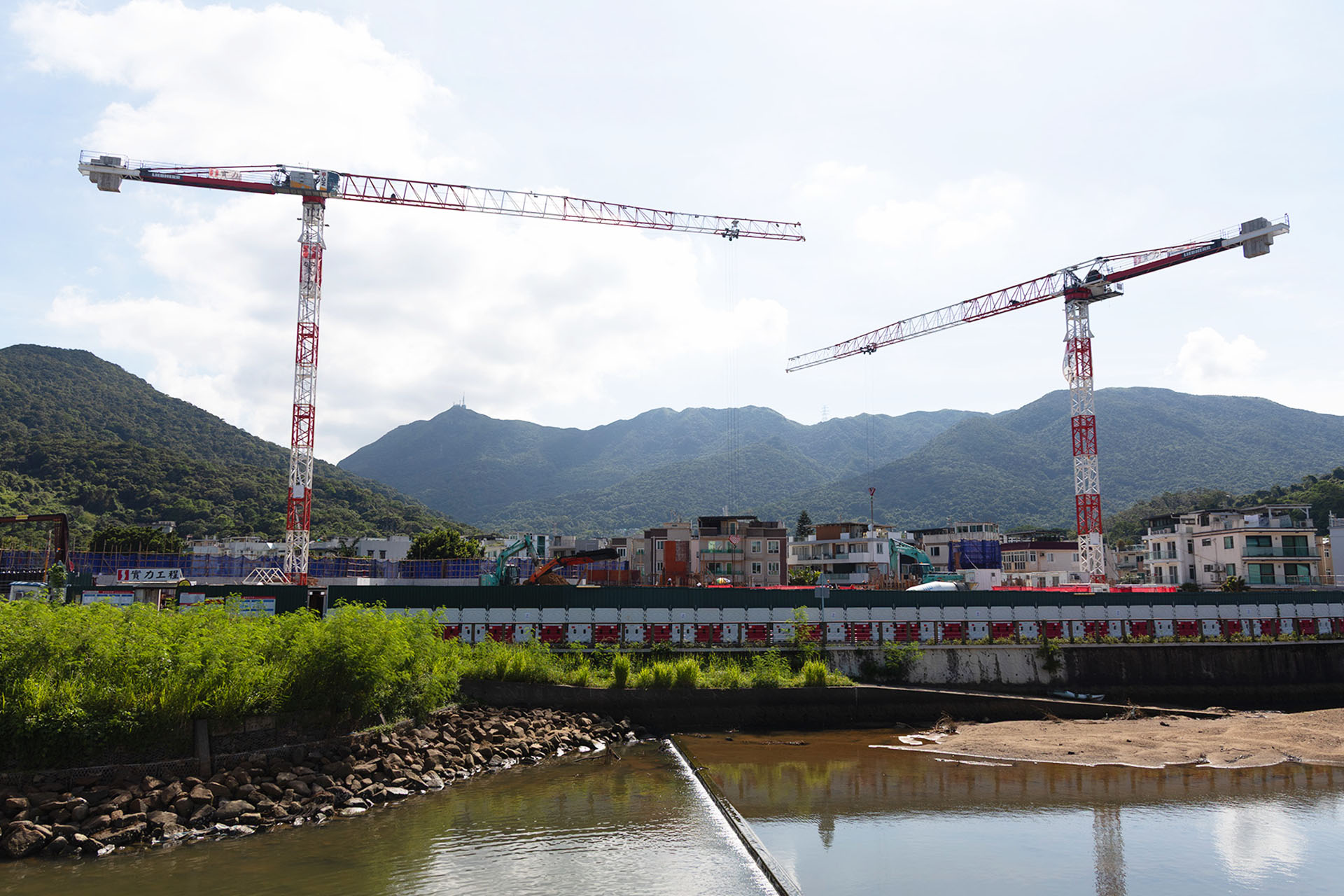
Considerate and flexible: two Liebherr NC-B cranes at work in Sai Kung
A new residential development is under construction in Ho Chung, Sai Kung. Foundation and excavation and lateral support works have been underway since December 2024 and are expected to continue until end of 2026. Two Liebherr NC-B 12-70 tower cranes are handling material logistics on the confined site.
03/09/2026
Press releases
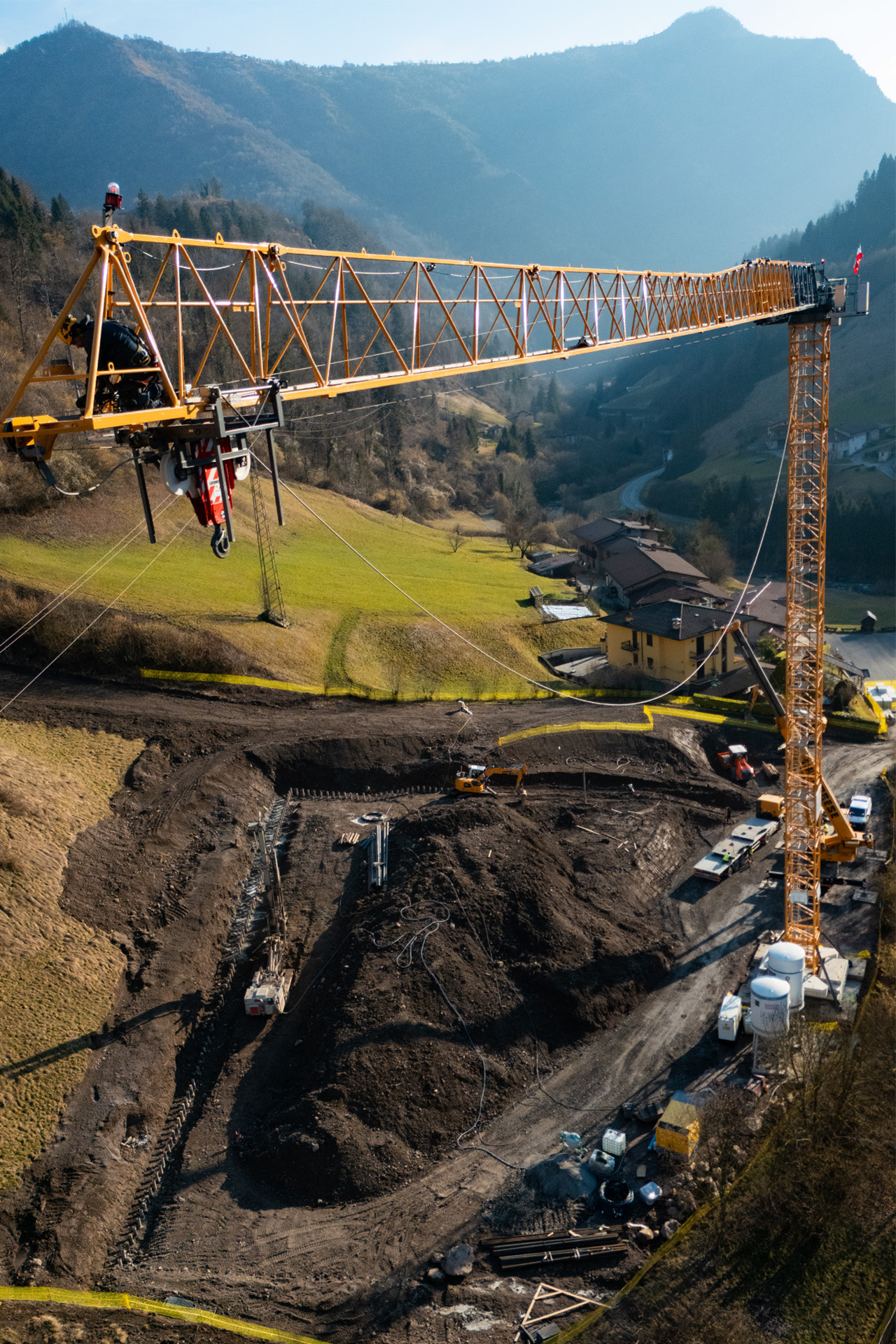
Water for a whole valley: Liebherr Fibre crane at work high in Val Trompia
In Bovegno, Italy, work is progressing on a new drinking water treatment plant designed to supply thousands of residents and businesses across the Val Trompia region. Handling the major lifting tasks on site is a Liebherr 240 EC-B Fibre tower crane, its fourth deployment and the first of its kind to arrive in the country.