



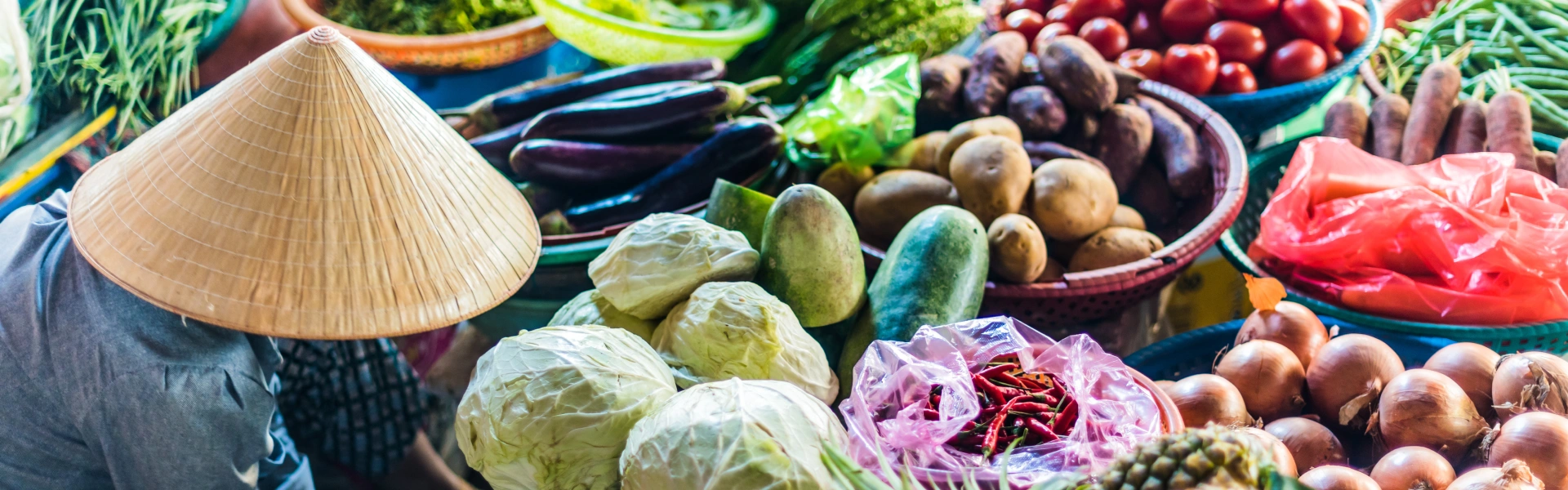
Asian variety of flavours: Miso, yuzu, and ube
Asian variety of flavours: Miso, yuzu, and ube characterise modern cuisine with their intense flavour profiles, special textures, and cultural depth. More and more health-conscious food buffs are discovering that these ingredients can be used as inspiration for imaginative dishes. Whether fermented paste, aromatic citrus fruit, or vibrant purple yam – each ingredient is renowned for having its own culinary tradition and an unmistakeable flavour. This article tells you what these three trendy ingredients are all about, what they taste like and why they’re now an established part of Asian food and international cuisine.
The key points
- Miso is a fermented paste with an intense umami flavour
- Yuzu boasts complex citrus flavours and is highly valuable
- Ube is a purple yam with a nutty-sweet flavour
- All three ingredients combine tradition, enjoyment, and modern cooking
Asian variety of flavours: Miso, yuzu, and ube – list of contents
What makes Asian food so flavoursome?
Asian food is noted for striking the perfect balance between the five basic tastes: sweet, sour, salty, bitter and umami (savoury). In particular, fermented ingredients,citrus fruits, and yams create depth and complexity. Miso provides an intense flavour through natural fermentation, yuzu delivers freshness and acidity, while ube adds mild sweetness and texture. This combination is typical of Asian cuisine and adds complexity to dishes without any dominant individual flavours. Traditionally, ingredients are processed gently to preserve flavour and nutrients. At the same time, the flavours reflect a cultural understanding of balance and seasonality. It’s precisely this harmonious balance that makes Asian food so popular outside of Asia today, inspiring cooks to come up with creative interpretations in modern cuisine.
Why is miso a key ingredient in Asian cuisine?
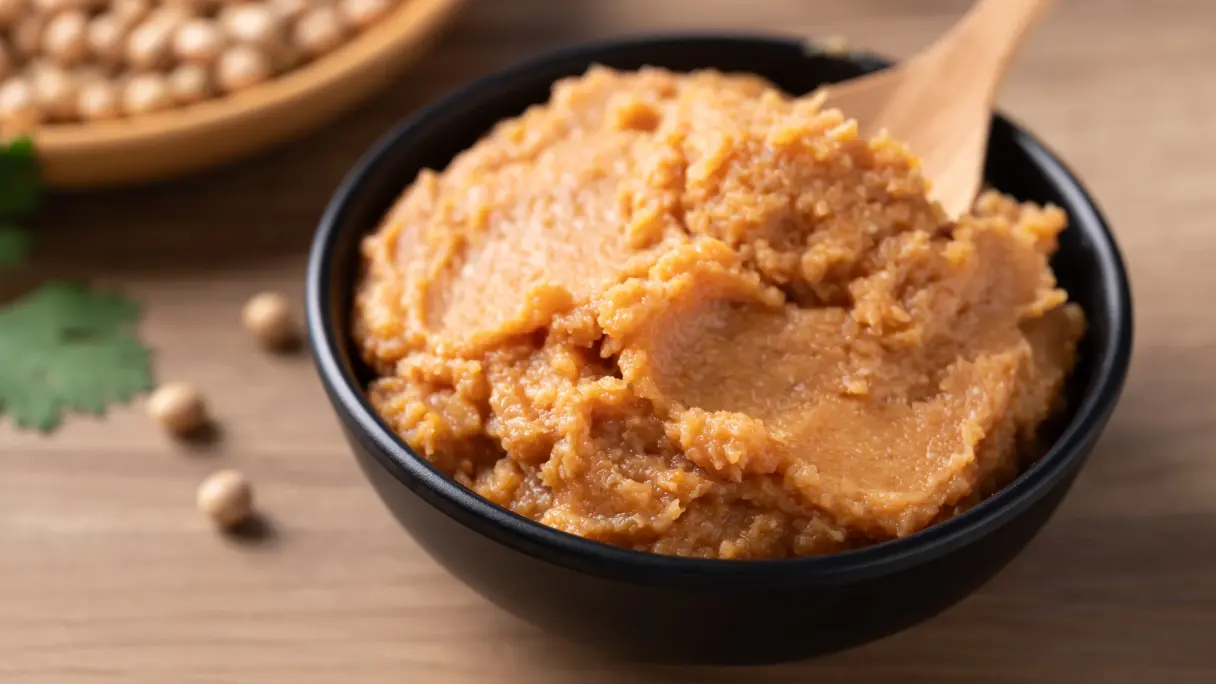
Miso is a fermented paste created using soybeans, salt, and koji mould (starter culture). Depending on the variety, rice or barley are added, which influences the flavour and colour. The fermentation process creates the characteristic umami flavour, which is described as being full-bodied and savoury. Light varieties of miso taste milder and slightly sweet, while dark varieties are stronger and more intense.
In Asian cuisine, miso can be used in many different ways: as a base for soups and in sauces, marinades, or dressings. Besides being renowned for its flavour, miso is also valued for its nutritional properties, as fermentation provides valuable microorganisms. It’s important to be careful when using miso, as high temperatures can have an adverse effect on the probiotic cultures.
How does yuzu influence Asian seasoning and modern dishes?

Yuzu is a Japanese citrus fruit with an exceptionally complex flavour. Its taste combines notes of mandarin, lemon,lime, and grapefruit, complemented by a fine bitterness. The small amount of pulp means that it’s primarily the peel and juice that are used, in spices, oils, sauces, or desserts, for example. In Asian cuisine, yuzu is renowned for delivering freshness and elegance, and is used deliberately to add real flavour to dishes.
The fruit is considered valuable as growing and harvesting it is a complex process and the yield is low. Besides being used in cooking, yuzu also has cultural significance, for example as a symbol of good luck.
Its high vitamin C content also makes it interesting from a nutritional perspective and underlines how important it is in modern cuisine.
Why do we get excited about ube as a trendy ingredient?

Ube is a purple yam from the Philippines and is very different to sweet potato. It has a creamy, dense texture and a nutty-sweet taste with a fine hint of vanilla. It is renowned in particular for its intense colour, which it retains even after being cooked, making ube a popular ingredient.
It is used mainly in desserts, ice cream, or drinks, often as a puree or powder. Ube is rich in fibre and complex carbohydrates, which makes it easily digestible and makes you feel full.
In its region of origin, it is regarded as a symbol of prosperity and happiness. Today, ube impresses people all over the world with its combination of aesthetic appeal, enjoyment, and traditional Asian food culture.

This text has been machine translated from English.